
The Intricacies and Advancements of Sand Casting in China
Sand casting, one of the oldest manufacturing processes known to man, has seen significant advancements and applications in China. Rooted in tradition yet enhanced by modern technology, this method remains crucial for producing metal components for various industries.
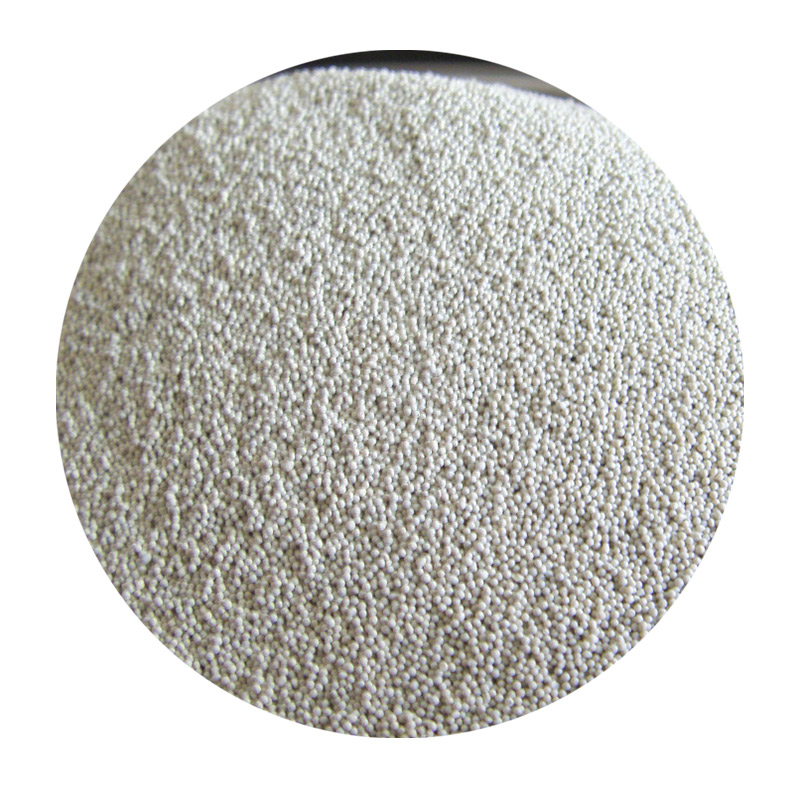
At its core, sand casting involves forming a mold from sand to produce objects made from molten metal. The process begins with creating a pattern, typically made from wood or metal, which is used to shape the sand. This pattern is then placed in a frame and surrounded by a mixture of sand and binder, which when pressed or rammed together, forms a mold cavity. Once the mold is prepared, molten metal is poured in, allowed to cool, and then the sand is broken away to reveal the finished part.
The Intricacies and Advancements of Sand Casting in China
The advantages of sand casting are numerous. It allows for complex geometries that would be difficult or impossible to achieve with other casting methods. Additionally, sand casting molds can be reused for multiple cycles, making it a cost-effective solution for mass production. The process is also adaptable, accommodating a wide range of metals, including iron, aluminum, and magnesium, which adds to its versatility.
china sand casting
Chinese companies have made significant investments in modernizing sand casting techniques. Automation and robotics have been increasingly integrated into the production line, enhancing efficiency and reducing the likelihood of human error. Furthermore, the introduction of 3D printing technology is revolutionizing pattern making for sand casting. This advancement allows for rapid prototyping, reducing the lead time from design to production, and facilitating custom orders with greater ease.
Environmental considerations also play a critical role in the evolution of sand casting in China. Traditional sand casting methods have faced criticism due to the environmental impact of sand extraction and the disposal of used molds. To mitigate these issues, many manufacturers are now exploring the use of recycled materials in their sand mixtures and eco-friendly binders. Additionally, innovations are being developed to minimize waste and enhance the recyclability of casting materials.
The Chinese government has recognized the importance of the casting industry to its economic growth and is actively promoting advancements in manufacturing technologies. Initiatives that support research and development, along with incentives for adopting sustainable practices, are shaping the future of sand casting in the country.
The global market for sand casting continues to grow, and China's role as a leader in this field is established. By marrying traditional skills with modern practices, Chinese foundries are well-positioned to meet the burgeoning demands of various industries worldwide. The combination of cost efficiency, production capability, and technological integration allows China to maintain a competitive edge in the global marketplace.
In conclusion, sand casting in China exemplifies the successful blend of tradition and innovation. As the industry evolves, it not only preserves an ancient craft but also embraces new technologies that promise a sustainable and efficient future. For businesses seeking reliable and versatile manufacturing solutions, China remains a prime destination for high-quality sand casting. As the world moves towards smarter production processes, China's adaptability will ensure that it continues to thrive in this ever-changing landscape.
Post time:Dec . 01, 2024 22:56
Next:Hionta 3D-resiinipainatuksille ja niiden viimeistelytekniikoille