
Understanding Ceramsite A Versatile Construction Material
Ceramsite, derived from the word 'ceramic', is a lightweight aggregate material primarily used in construction and civil engineering. This innovative material is produced by heating clay or shale at high temperatures, causing it to expand and form small, rounded granules. These granules possess unique properties that make ceramsite an ideal choice for various applications, particularly in lightweight concrete and as a substrate for hydroponic gardening.
One of the most significant advantages of ceramsite is its lightweight nature. Traditional aggregates like gravel and sand can be heavy, contributing to the overall mass of a structure. In contrast, ceramsite is much lighter, which reduces the dead load on buildings and allows for more efficient use of materials. This property is particularly beneficial in high-rise construction, where minimizing weight is essential for structural integrity and cost-effectiveness.
In addition to its lightweight characteristics, ceramsite is also known for its excellent thermal insulation properties
. The air pockets formed within the granules create a barrier against heat transfer, making buildings constructed with ceramsite more energy-efficient. This insulation can lead to lower heating and cooling costs, contributing to sustainable building practices and reducing the overall carbon footprint of a structure.ceramsite
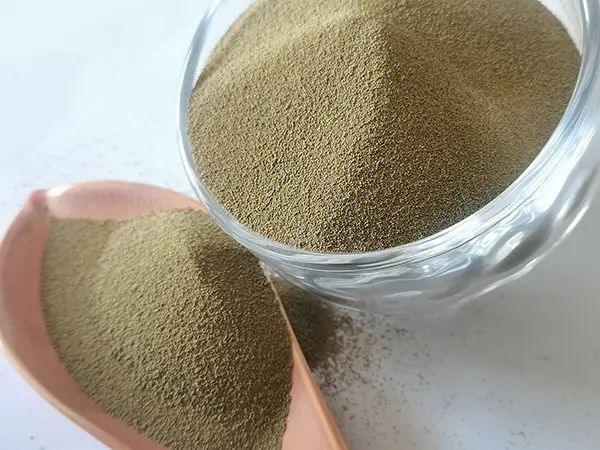
Ceramsite is also praised for its durability and resistance to weathering. Unlike traditional materials that may degrade over time due to exposure to environmental conditions, ceramsite maintains its integrity, making it an excellent choice for outdoor applications. Its resistance to moisture and chemicals further enhances its longevity, making it suitable for various applications, including drainage systems and land reclamation projects.
In the realm of horticulture, ceramsite serves as an exceptional substrate for hydroponic gardening. Its inert nature ensures that it does not leach harmful substances into nutrient solutions, promoting healthy plant growth. Furthermore, the lightweight granules provide excellent aeration and drainage, essential for the root health of plants. This makes ceramsite a preferred choice for both commercial and home gardeners looking to optimize their growing conditions.
Another noteworthy application of ceramsite is in sound insulation. Due to its porous structure, ceramsite can effectively absorb sound waves, making it an ideal material for acoustic barriers in urban environments. This property is highly valued in areas where noise pollution is a concern, providing a quieter living and working environment for city dwellers.
To sum up, ceramsite is a versatile material that offers numerous benefits across various sectors. Its lightweight nature, thermal insulation properties, durability, and applications in horticulture and sound insulation highlight its innovative role in modern construction and gardening practices. As the demand for sustainable building materials continues to grow, ceramsite is poised to play a crucial role in shaping the future of construction and agriculture. Embracing materials like ceramsite not only enhances the efficiency and sustainability of our projects but also promotes a healthier environment for generations to come.
Post time:Nov . 18, 2024 14:58
Next:Sandstøbningsfirmaet