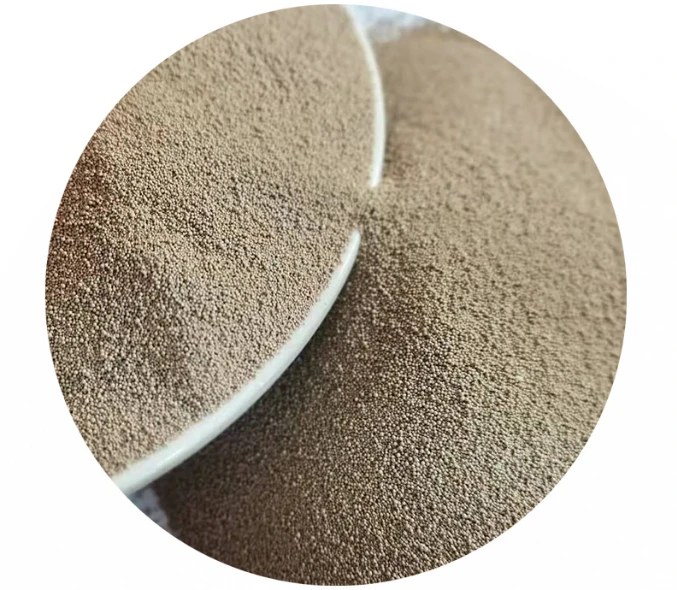
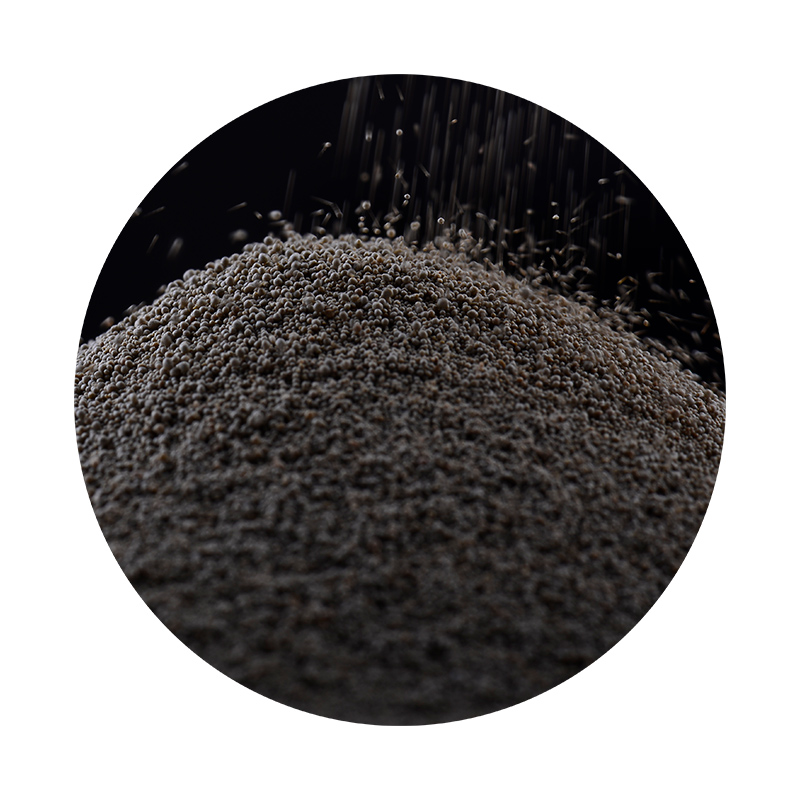
Ceramic foundry sand largest manufacture in China

In the realm of modern metal casting, the demand for high-quality casting sand is on the rise. This unique material, integral to achieving precision in casting processes, has become a cornerstone for foundries worldwide. If you’re in the market for casting sand, understanding its importance, applications, and how to make an informed purchase is crucial. This article delves deep into the nuances of casting sand, providing an authoritative guide to its procurement, enriched by industry expertise and real-life experiences.

casting sand for sale

Casting sand serves as a pivotal component in the creation of molds for casting metal components. Its primary function is to create a cavity in which molten metal is poured to form intricate shapes once it solidifies. The quality of the casting sand significantly influences the surface finish, dimensional accuracy, and structural integrity of the final product. When selecting casting sand, it's essential to prioritize a few critical factors grain size, refractoriness, permeability, and cohesion. The grain size of casting sand determines the smoothness of the mold surface. Finer grains lead to smoother mold surfaces, which in turn produce castings with finer surface finishes. In contrast, coarser grains are ideal for larger castings, where a robust and permeable mold is necessary. It's crucial to select sand that aligns with the specific requirements of your casting process. Often, a mixture of different grain sizes is employed to balance smoothness and mechanical robustness.

casting sand for sale

Refractoriness is another fundamental property of casting sand. This attribute denotes the sand’s ability to resist high temperatures without degrading. Quality casting sand should possess high refractoriness to withstand the intense heat of molten metals, such as iron and steel, that can exceed 1600°C. Ensuring your sand has the right refractoriness is vital to avoid defects in the casted parts, such as surface fusion or burn-on defects. Permeability is equally essential in the context of casting sand. It refers to the ability of the sand to allow gases to escape during the metal pouring process. Inadequate permeability can result in defects like gas holes or blowholes, which compromise the quality and integrity of the final cast product. Assessing the permeability of casting sand can be done using standard permeability tests, ensuring you select a sand grade that meets the operational needs of your foundry.casting sand for sale
Cohesion is the property that allows sand grains to adhere together under compaction. Adequate cohesion is necessary to maintain mold integrity throughout the casting process. Weak cohesion can lead to mold collapse or deformation, thereby affecting the final product's precision. Additives, such as bentonite clay, are often mixed with casting sand to enhance its cohesion, making it moldable while maintaining adequate strength during the casting. Real-life experiences from industry experts highlight the importance of partnering with reputable suppliers when purchasing casting sand. Not only do these suppliers offer premium quality materials, but they also provide certificates of analysis to verify the sand’s properties. This documentation helps maintain transparency and trustworthiness, critical for establishing a seamless supply chain in precision engineering sectors. Moreover, the environmental impact of casting sand disposal and recycling is an emerging consideration for many foundries. Sustainable practices, such as reclaiming and reusing casting sand, can significantly reduce waste and environmental footprint. Many suppliers now focus on offering eco-friendly sand solutions that meet industry standards without compromising on quality. Practicing diligent sourcing not only ensures you receive a consistent and effective product but also fortifies your role as a conscientious player in the industry. Investing the time to understand the nuances of casting sand not only optimizes your production process but also elevates your operation’s efficiency and reputation within the competitive realm of metal casting. In conclusion, the decision to purchase casting sand should be grounded in a thorough understanding of its properties and its critical role in your specific casting applications. By leveraging supplier expertise, ensuring material quality, and fostering sustainable practices, you position your foundry at the forefront of industry advancements. Let this guide serve as a roadmap to making informed and strategic decisions, supported by expert knowledge and real-world application.
Post time:Feb . 20, 2025 11:13

Next:
Leave Your Message

If you are interested in our products, you can choose to leave your information here, and we will be in touch with you shortly.