
Casting Sand The Unsung Hero of Foundry Production
In the world of manufacturing, few materials play as critical a role as casting sand. This seemingly unassuming substance is the backbone of foundry operations, assisting in the creation of intricate metal parts used in various industries, from automotive and aerospace to home appliances. Understanding the significance of casting sand can illuminate its essential role in modern production techniques.
Casting sand primarily refers to a mixture of silica grains and various additives, which are used to form molds for metal casting. The properties of this sand are crucial; it must withstand high temperatures while also being pliable enough to allow for the intricate designs required in many applications. Silica sand is the most common choice due to its excellent thermal stability and ability to hold shape against molten metal.
The process of sand casting involves several steps, starting with the preparation of the sand mixture. Additives such as clay, water, and various bonding agents are introduced to improve the sand's cohesiveness and moldability. Once prepared, the sand is packed around a pattern that represents the final shape of the casting. After the mold is formed and the pattern removed, molten metal is poured into the cavity, allowing it to cool and solidify into the desired form.
casting sand
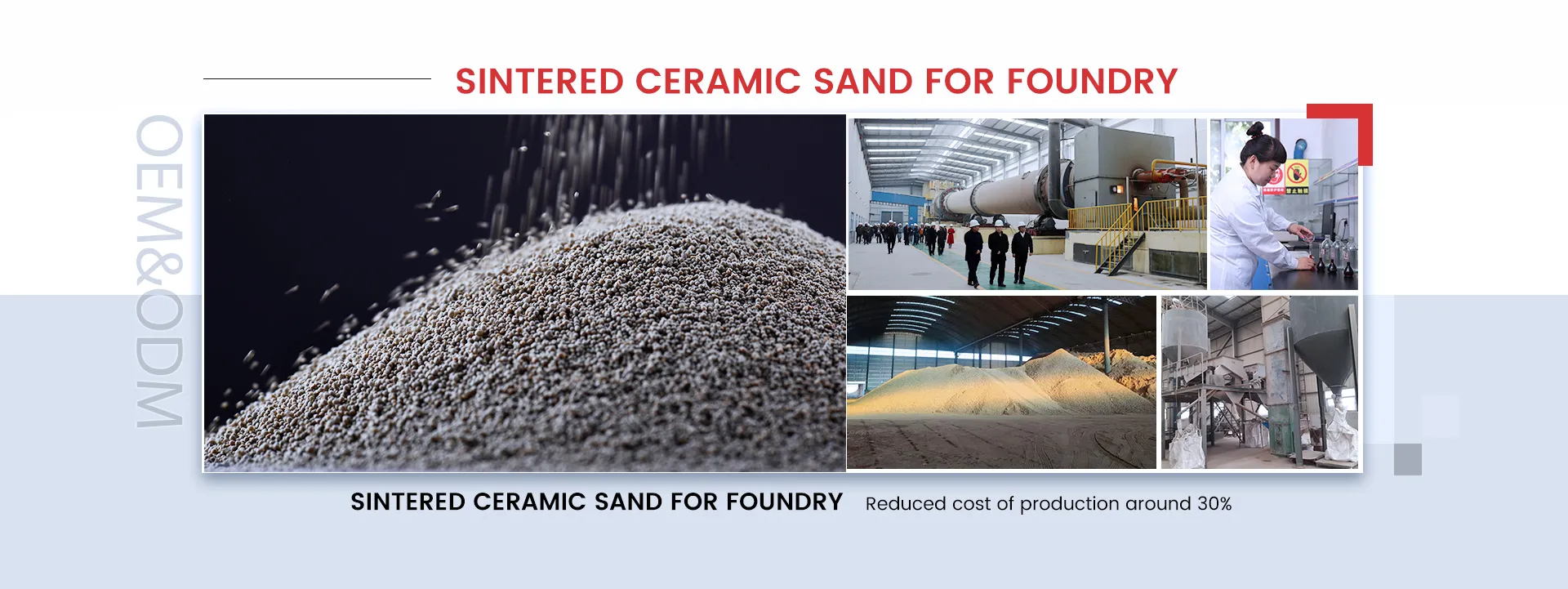
One of the key advantages of using casting sand is its reusability. After the casting process is complete, the sand can often be reclaimed, cleaned, and reused for future molds. This not only reduces waste but also proves to be a cost-effective method for foundries. Furthermore, advancements in sand reclamation technology have made it easier than ever to recycle casting sand, aligning with companies' goals for sustainability and environmental responsibility.
Despite its importance, casting sand often remains in the shadows, overshadowed by the flashy finishes and high-tech machinery associated with modern manufacturing. However, without high-quality casting sand, precision metal components would simply not exist. Its role as a mold material is irreplaceable, providing the foundation for innovation in countless applications.
In conclusion, casting sand may seem like a simple material, but its significance in the foundry industry is profound. From its thermal properties to its reusability, casting sand continues to be a vital component in the production of high-quality metal products, shaping the future of manufacturing while standing the test of time.
Post time:Nov . 06, 2024 13:47
Next:Exploring the Density Properties of Foundry Sand in Metal Casting Applications