
- Introduction to Casting Sand Price: Market Factors and Significance
- Key Influencers on Sand Casting Price Dynamics
- Technological Advancements: Exploring 3D Sand Printer Price Trends
- Comparative Analysis: Major Casting Sand Manufacturers and Suppliers
- Custom Solutions: Tailoring Casting Sand for Specialized Applications
- Application Scenarios: Real-World Case Studies with Cost/Quality Outcomes
- Conclusion: Navigating the Future of Casting Sand Price and Industrial Innovation
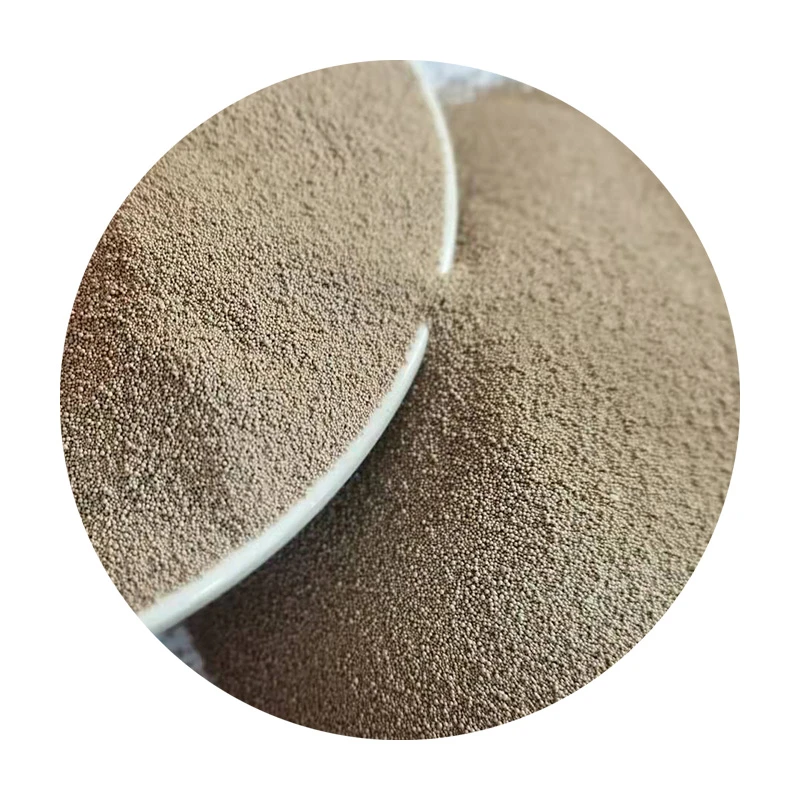
(casting sand price)
Introduction to Casting Sand Price: Market Factors and Significance
Casting sand price has emerged as a key topic for manufacturers within the automotive, aerospace, and heavy machinery sectors. As global demand for high-precision casting grows, the price of premium sand has seen significant volatility, driven by supply chain challenges, competition from emerging markets, and ongoing innovations in sand recycling. In 2023, data from the Global Mining Review shows that casting sand price
s ranged from $60 to $150 per metric ton, with quartz-based high-purity sands fetching up to 35% above average rates. Understanding these price dynamics is critical for facilities seeking consistent production quality and cost management.
Key Influencers on Sand Casting Price Dynamics
Multiple factors shape sand casting price structures. Regional availability of foundry-grade sand, primarily silica or chromite, directly influences local pricing. For instance, North American suppliers often leverage proximity to large deposits, achieving prices 10-20% below global averages. Environmental regulations also play a role – stricter standards in Europe, for example, add up to $15 per ton in processing costs. Additionally, labor, transportation, and energy expenses can substantially impact bottom-line prices. According to a 2024 report by the International Foundry Association, energy constitutes up to 22% of total sand casting expenses, particularly in countries with fluctuating power supplies.
Beyond these, market consolidation and technological investments have fostered both price pressures and quality improvements. Large-scale manufacturers can negotiate better shipping rates and leverage automated logistics, while smaller operations may face higher unit costs but provide specialized blends tailored to advanced engineering requirements.
Technological Advancements: Exploring 3D Sand Printer Price Trends
The adoption of 3D sand printers for mold production is reshaping the economics of the casting industry. While traditional molding techniques rely on manual sand preparation and pattern creation, 3D sand printing delivers precision molds quickly, minimizing waste and turnaround times. As of Q1 2024, the average 3d sand printer price for industrial-grade systems ranges from $180,000 to $500,000, with printing resolutions and build volumes serving as key differentiators.
For example, ExOne's S-Max Pro, with a build volume of up to 1,800 liters, costs approximately $430,000, while voxeljet's VX2000, offering superior print speeds, is priced at $490,000. Despite the initial investment, companies report material savings of up to 25% per part, alongside significant reductions in labor and design lead time. This technological evolution enables new levels of product iteration and short-run economic viability, especially when paired with advanced sand blends standard in aerospace and prototyping.
Comparative Analysis: Major Casting Sand Manufacturers and Suppliers
Selecting the right casting sand provider involves weighing price, product quality, logistics, and service responsiveness. Below is a comparative table highlighting four prominent manufacturers:
| Company | Primary Product | Region | Average Price (per ton) | Lead Time | Customization Available | Customer Rating |
|---|---|---|---|---|---|---|
| Covia Holdings | Silica Casting Sand | USA/North America | $95 | 2 Weeks | Yes | 4.6/5 |
| Sibelco | Quartz & Specialty Sands | Europe/Asia | $110 | 3 Weeks | Yes | 4.5/5 |
| Hüttenes-Albertus | Bespoke Sand Mixtures | Global | $130 | 4 Weeks | Yes | 4.7/5 |
| TOCHU Corporation | Chromite & Silica Sands | Asia/Oceania | $120 | 2.5 Weeks | No | 4.2/5 |
This data highlights the competitive environment in the casting sand sector. While companies like Covia offer efficiency and value to mass production foundries, Hüttenes-Albertus stands out for specialty blends at a premium price for high-performance applications.
Custom Solutions: Tailoring Casting Sand for Specialized Applications
Modern casting operations increasingly demand tailored sand formulations to optimize surface finish, dimensional accuracy, and material compatibility. Customization can involve adjusting grain size distribution, binder composition, moisture content, and refractory coatings. For example, turbine blade manufacturers commonly specify high-purity, ultra-fine silica sand to achieve strict tolerance criteria, while automotive block molders may use coarser blends for throughput and cost efficiency.
Producers often maintain R&D labs for real-time testing of customized sand blends—some offering digital simulation tools for pre-production validation. The annual Foundry Industry Trend Report indicates that by 2023, more than 40% of large foundries in the EU and US now specify custom sand mixes for at least half of their casting projects.
Custom solutions also improve sustainability: recycled sand use has increased industry-wide, with over 30% of all casting sand in developed markets now sourced from reclamation processes, reducing both cost and environmental impact without compromising product performance.
Application Scenarios: Real-World Case Studies with Cost/Quality Outcomes
Real-world examples illustrate how casting sand price and technology choices shape success.
- Automotive Engine Blocks: A leading European car manufacturer leveraged customized silica sand blends to improve casting yield by 16% while reducing defect rate by 12%. Simultaneously, optimized logistics partnerships reduced casting sand price volatility by 8% year-over-year.
- Aerospace Components: By integrating a 3D sand printer, a US aerospace firm cut prototype production lead times by 54%, with net cost savings of $170,000 annually, despite the higher initial 3d sand printer price. The process also enabled new complex geometry unachievable with traditional molds.
- Heavy Equipment Manufacturing: An Australian mining equipment producer adopted chromite-based sand for enhanced heat resistance. Comparative analysis against three major suppliers showed that Sibelco’s product, though 7% costlier, delivered 22% longer tool life, justifying the price premium.
Data consistently reveal that strategic investment in high-quality sand and advanced manufacturing yields measurable operational benefits—higher throughput, better surface integrity, and faster new product introduction.
Conclusion: Navigating the Future of Casting Sand Price and Industrial Innovation
As industries adopt smart manufacturing, the balance between casting sand price and performance becomes even more critical. Leading foundries recognize that while raw sand cost is vital, integration of custom blends, digital design, and 3D sand printer technology delivers significant competitive advantages. Future market direction points to increased on-site sand reclamation, smarter logistics, and AI-driven process optimization—all poised to reduce waste and stabilize prices. By aligning procurement and technology with long-term production goals, manufacturers can hedge against raw material volatility, achieve sustainable growth, and ensure product excellence in a rapidly evolving global landscape.
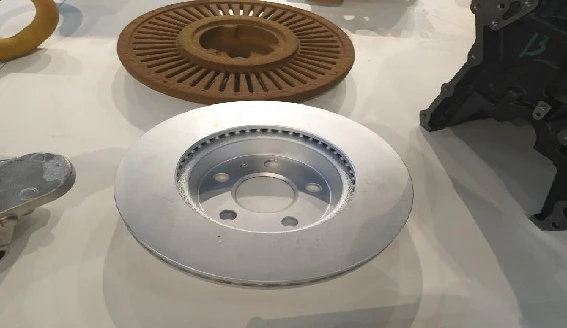
(casting sand price)
FAQS on casting sand price
Q: What factors influence the casting sand price?
A: The casting sand price depends on sand quality, grain size, and supplier location. Bulk purchases and delivery fees can also affect the overall cost. High-purity sands generally cost more.Q: How does sand casting price compare to other casting methods?
A: Sand casting price is usually lower than investment or die casting methods. This is due to simpler molds and less expensive materials. However, it may be less precise for complex shapes.Q: What is the typical price range for casting sand?
A: Casting sand price ranges from $50 to $200 per ton, depending on sand type and region. Specialty sands can cost more. Always check with local suppliers for exact rates.Q: How much does a 3D sand printer cost?
A: The 3D sand printer price can range from $100,000 to over $1,000,000. Price varies based on printer size, technology, and manufacturer. Maintenance and operation add to total costs.Q: Can buying in bulk lower the sand casting price per part?
A: Yes, bulk orders often reduce the sand casting price per unit through economies of scale. Large quantities help negotiate better rates with suppliers. This is especially true for recurring production needs.Next:Top Sand Casting Suppliers - Precision Steel Sand Casting Services