
A buyer’s field notes on high‑performance casting sands (and what’s actually working)
If you’re hunting casting sand for sale that behaves predictably from core room to shakeout, here’s the short version: spherical ceramic media has been quietly rewriting the cost curve. I’ve walked a handful of foundries through the switch in the past year, and—surprisingly—the biggest win wasn’t just fewer veining defects. It was the consistency: fewer binder spikes, calmer thermal expansion, and more stable dimensional control.
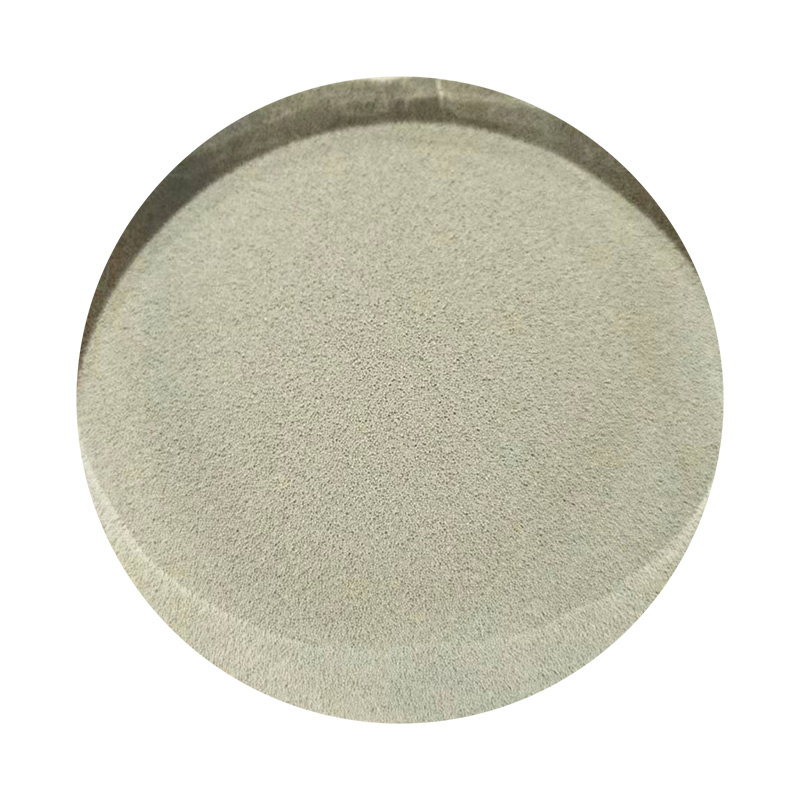
What’s on the table: Ceramcast sand ball shape for sand casting
Ceramcast is an engineered, ball‑shaped ceramic sand from Shanghai (No.669 of Xinmiao Sanlu, Xinqiao Town, Songjiang Dist). It’s positioned as an alternative to Japanese Cerabeads, fused ceramic media, chromite, zircon, and even silica—especially where high refractoriness and stable thermal behavior are non‑negotiable. Many customers say the flowability alone pays for itself in corebox cycle times. I guess the reclaimed surface finish helps, too.
| Spec | Ceramcast (typical) | Notes |
|---|---|---|
| AFS fineness | ≈ 45–110 (customizable) | Measured per AFS 1105/ASTM C136 |
| Refractoriness (PCE) | ≥ 1800°C | ASTM C24 method |
| Thermal expansion @1200°C | ≈ 0.10–0.18% | ASTM E228 dilatometry |
| Bulk density | ≈ 1.85–2.05 g/cm³ | Lower than silica/chromite in real‑world use |
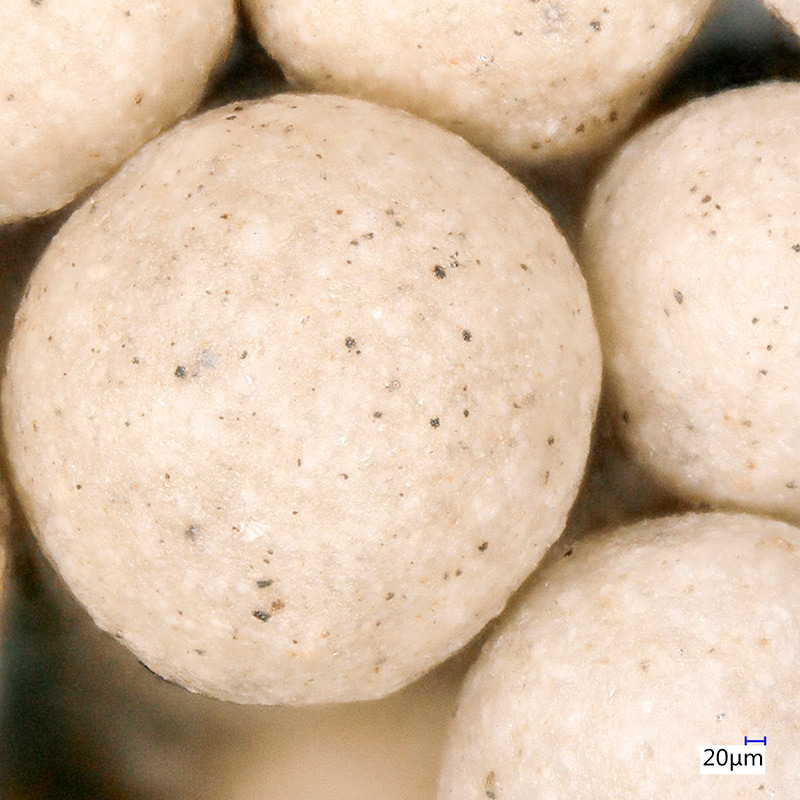
| Sphericity | High (≈0.93–0.98) | Drives flow/filling, lower binder demand |
| LOI | ≤ 0.10% | Clean surface chemistry |
| Service life (thermal reclamation) | ≈ 8–15 cycles | Process‑dependent; equipment and alloy matter |
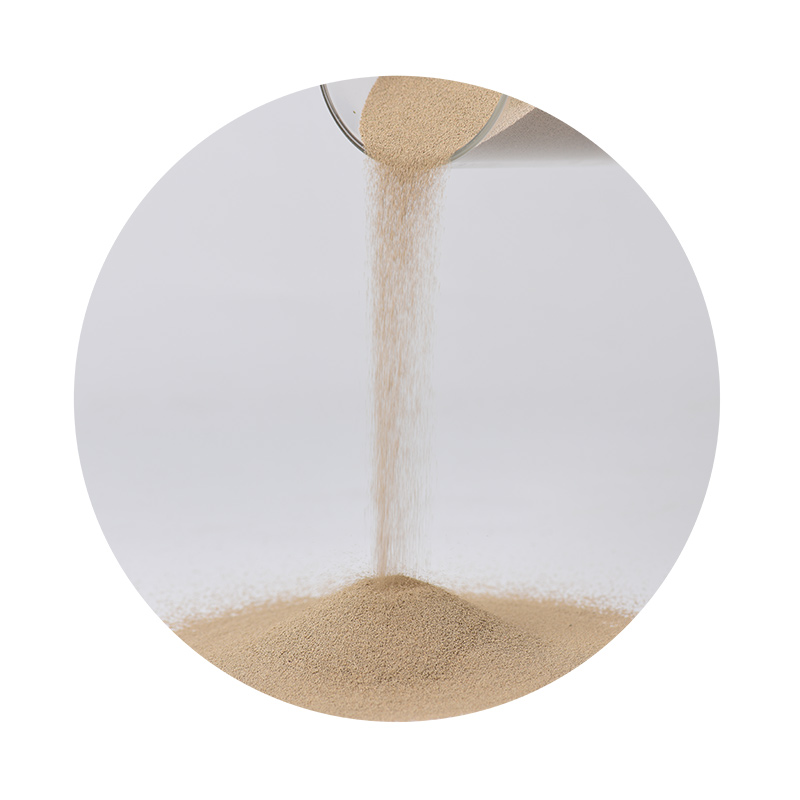
Process flow and testing (the practical version)
- Materials: Ceramcast media + binder (PUCB, furan, phenolic no‑bake, shell), standard catalysts.
- Methods: Core blowing or no‑bake molding; target permeability per AFS 5222; shoot pressures often drop 5–15% thanks to sphericity.
- Testing: Sieve analysis (AFS 1105/ASTM C136), moisture (ASTM D2216), green compression (AFS 3320), hot distortion test (AFS 5113), thermal expansion (ASTM E228).
- Service life: Mechanical + thermal reclamation; monitor angularity growth and LOI; refresh rate ≈10–30% depending on alloy and burn‑on.
- Industries: Automotive irons/steels, stainless, pump housings, turbine components, non‑ferrous castings needing clean surface finish.
Real feedback: one stainless shop told me they cut veining rework “by roughly a third” after dialing back binder by ~8%. Another noticed easier core release (honestly, the spherical grain helps).
Vendor landscape (quick comparison)
| Media | Refractoriness | Thermal expansion | Recycling | Relative cost |
|---|---|---|---|---|
| Ceramcast (spherical ceramic) | Very high | Low | High (≈8–15 cycles) | Medium |
| Silica sand | Moderate | High | Low–Medium | Low |
| Chromite | High | Low–Medium | Medium | Medium–High |
| Zircon | Very high | Very low | Medium | High |
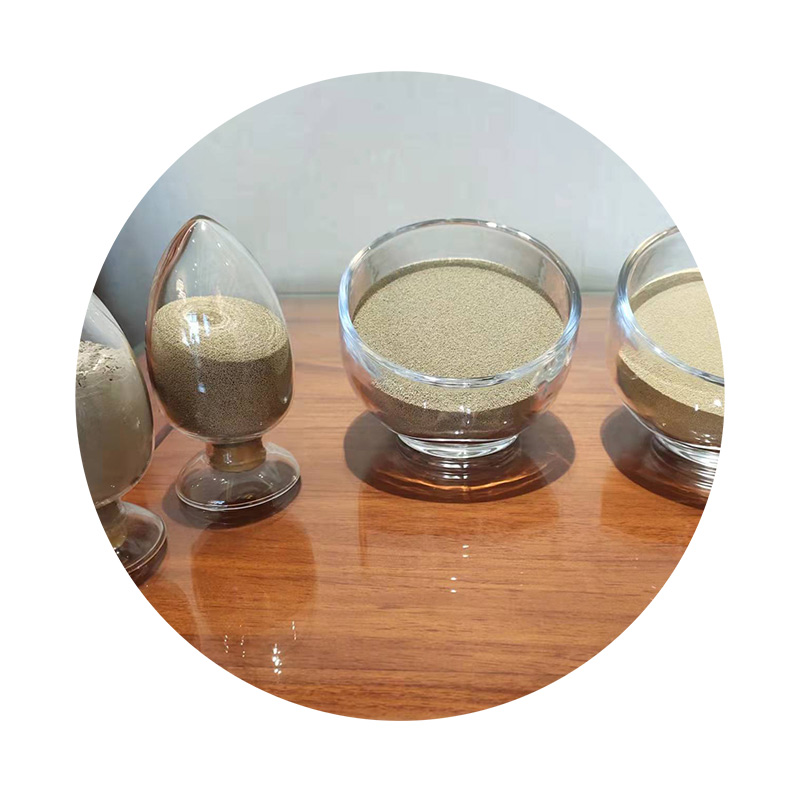
Customization, logistics, and certifications
Grain size bands can be tailored (AFS ≈45–110). Compatible with PUCB, furan, PNB, shell processes. Packaging: 25 kg bags or 1‑ton jumbo bags; typical lead time 7–15 days ex‑Shanghai. Many buyers ask for ISO 9001 quality docs and batch COAs; that’s table stakes now. Safety wise, ceramic media helps reduce crystalline silica exposure versus conventional sands—still, follow your site’s dust controls and OSHA/ISO guidance.
Case notes (numbers you can sanity‑check)
Mid‑size ductile iron foundry, pump housings: after switching to Ceramcast, binder addition eased ≈6–10%, veining rejects down ~18%, shakeout time improved ~12%. Test panels showed linear thermal expansion near 0.14% at 1200°C (ASTM E228), aligning with vendor data. Not perfect everywhere, but the trend held across three alloys.
If you’re shortlisting suppliers for casting sand for sale, request: (1) full sieve curves, (2) hot distortion plots, (3) dilatometry data, (4) reclamation loss vs. cycles. One week of plant trials usually tells the truth. For what it’s worth, I keep seeing casting sand for sale lists where “flowability” is just a buzzword—here, it’s the sphericity doing the heavy lifting.
Origin: No.669 of Xinmiao Sanlu, Xinqiao Town, Songjiang Dist, Shanghai. Product: Ceramcast sand ball shape for sand casting.
Citations
- ASTM E228 – Standard Test Method for Linear Thermal Expansion of Solid Materials.
- AFS 1105/ASTM C136 – Sieve Analysis of Fine and Coarse Aggregates (adapted for foundry sands).
- ASTM C24 – Pyrometric Cone Equivalent (Refractoriness) of Fireclay and High‑Alumina Refractory Materials.
- OSHA 29 CFR 1910.1053 – Respirable Crystalline Silica Standard; ISO 9001 Quality Management Systems.
Next:Casting Sand for Sale: In-Stock Grades & Bulk Deals?