
In the highly competitive and precision-driven world of industrial manufacturing, the quality of casting materials directly dictates the integrity, performance, and cost-effectiveness of final products. High-performance casting sand for sale is not merely an auxiliary material; it is a fundamental component that influences dimensional accuracy, surface finish, and mechanical properties of cast components. This comprehensive article delves into advanced ceramic proppants, specifically Ceramcast sand ball shape, for superior sand casting applications, addressing crucial aspects for B2B decision-makers and engineers seeking optimal solutions.
Industry Trends in Advanced Casting Sands
The global foundry industry is undergoing significant transformation, driven by demands for higher quality castings, reduced environmental impact, and increased operational efficiency. Traditional silica sand, while cost-effective, often presents challenges such as high thermal expansion, poor refractoriness, and the risk of silicosis. These limitations have propelled the adoption of advanced synthetic materials, with ceramic sands emerging as a leading solution. Key trends include:
- Environmental Sustainability: Foundries are increasingly seeking sands that are reusable, produce less waste, and are free from hazardous materials. Ceramic sands offer superior recyclability and reduce the need for constant replenishment.
- High-Performance Alloys: The rise of advanced alloys, especially in sectors like aerospace, automotive, and energy, necessitates casting sands with exceptional thermal stability and minimal reactivity to prevent defects.
- Automation and Precision: Automated casting lines require consistent, high-quality sand with predictable behavior. Spherical ceramic sands, like Ceramcast, provide excellent flowability and packing density, crucial for automated molding processes.
- Cost Optimization: While the initial cost of advanced sands may be higher, their extended service life, reduced defect rates, and lower cleaning costs ultimately lead to significant overall operational savings. The pursuit of cost-effective metal casting sand for sale is shifting towards total cost of ownership rather than just purchase price.
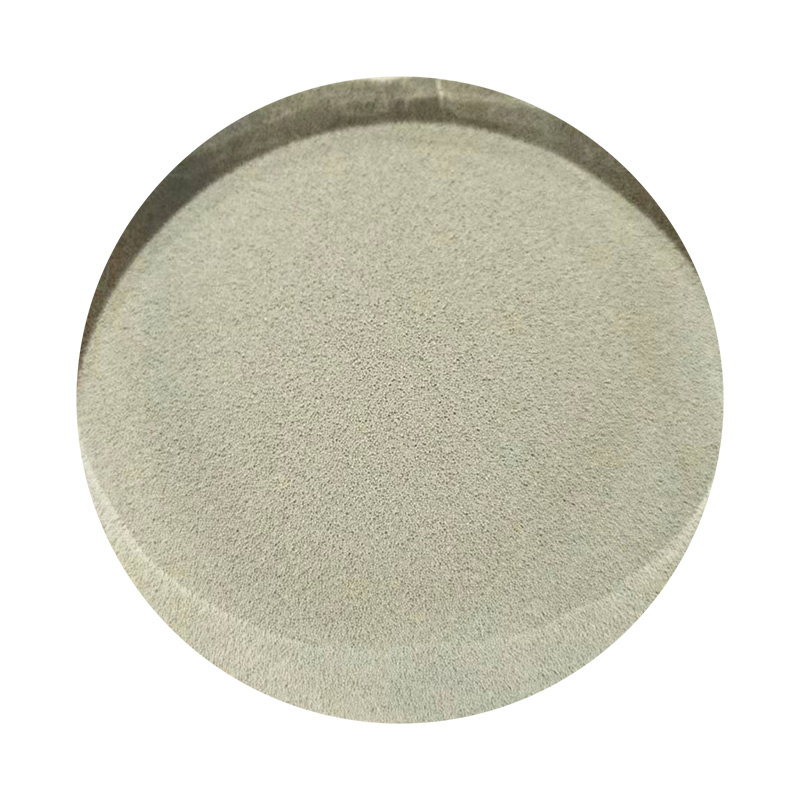
Ceramcast Sand Ball Shape: Product Overview and Manufacturing Process
Ceramcast sand ball shape is an advanced synthetic ceramic sand specifically engineered for high-performance sand casting. Its unique spherical morphology and superior thermophysical properties make it an ideal choice for a wide range of ferrous and non-ferrous casting applications.
Manufacturing Process Flow
The production of Ceramcast sand involves a highly controlled, multi-stage manufacturing process, ensuring consistent quality and optimal performance.
- Raw Material Selection: High-purity bauxite and other refractory minerals are carefully selected. These materials provide the foundational alumina-silica composition essential for the sand's high refractoriness and chemical stability.
- Milling and Blending: The raw materials undergo precise milling to achieve a specific particle size distribution, followed by thorough blending to ensure homogeneous distribution of components.
- Pelletization/Granulation: The blended mixture is then processed through advanced granulation equipment to form green balls or pellets, initiating the spherical shape. This step is critical for developing the characteristic ball shape of the casting sand for sale.
- High-Temperature Sintering: These green pellets are fed into rotary kilns and subjected to extremely high temperatures (typically 1300-1500°C). This sintering process vitrifies the particles, fusing them into dense, spherical grains with a strong, mullite-rich ceramic structure. This stage determines the sand's ultimate hardness, refractoriness, and chemical inertness.
- Cooling and Sieving: Post-sintering, the ceramic sand is gradually cooled and then precisely sieved into various AFS GFN (American Foundry Society Grain Fineness Number) grades to meet diverse foundry requirements.
- Quality Control and Testing: Each batch undergoes rigorous quality control, adhering to international standards like ISO 9001 and specific ASTM/AFS test methods. Parameters such as refractoriness (up to 1800°C), acid and alkali resistance, thermal expansion coefficient, crush strength, and particle size distribution are meticulously checked.
This meticulous process ensures that Ceramcast sand consistently delivers superior performance, extended service life, and adherence to the strictest industry standards for various types of sand casting sand types. Target industries include petrochemical, metallurgy, heavy machinery manufacturing, automotive, and water supply & drainage sectors.
Technical Specifications
The following table provides typical specifications for Ceramcast sand ball shape, highlighting its key performance indicators.
| Parameter | Value/Description | Testing Standard |
|---|---|---|
| Chemical Composition (Al₂O₃) | ~70-75% | ASTM C573 |
| Refractoriness | ≥ 1790°C (3254°F) | ISO 1893, DIN 51060 |
| Specific Gravity | 3.2-3.4 g/cm³ | ASTM C135 |
| Bulk Density | 1.8-2.0 g/cm³ | ASTM C35 |
| Thermal Expansion Coefficient (20-1000°C) | ≤ 4.0 x 10⁻⁶ /K | ASTM E228 |
| AFS GFN Range | 30-100 (customizable) | AFS 1000-00-S |
| Acid Resistance | Excellent | Internal Test |
| Loss on Ignition (LOI) | ≤ 0.2% | ASTM C114 |
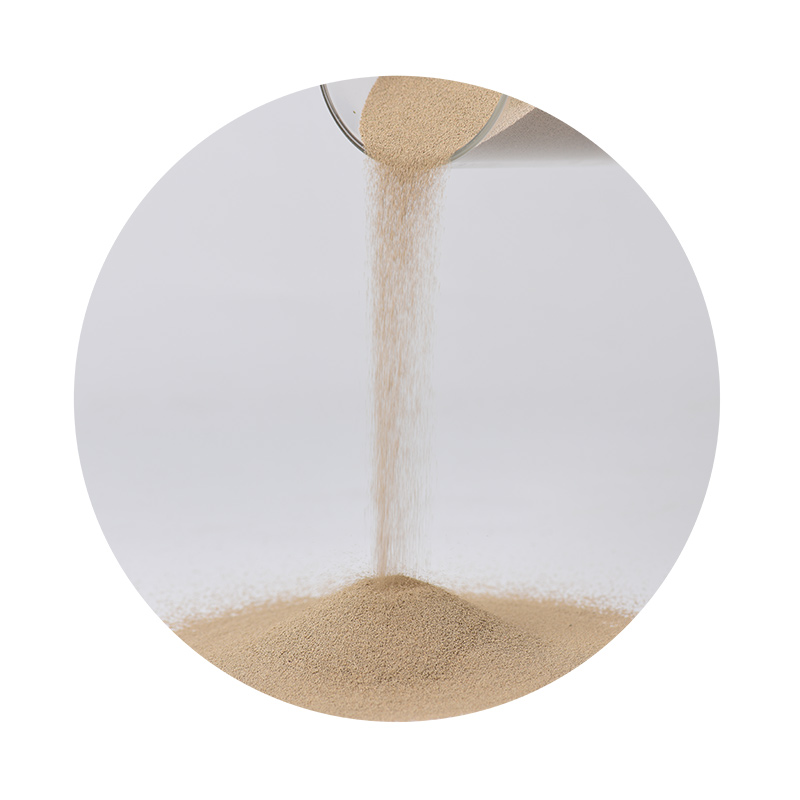
Application Scenarios and Technical Advantages
The unique properties of Ceramcast sand make it highly advantageous across various types of sand casting process, particularly for complex and high-value components.
Key Application Areas
- Automotive Industry: Engine blocks, cylinder heads, transmission casings, and other critical components where precision and structural integrity are paramount.
- Aerospace & Defense: High-strength, lightweight components for aircraft and defense systems, often requiring exotic alloys and stringent quality control.
- Heavy Machinery: Large industrial castings for construction equipment, agricultural machinery, and mining machinery, benefiting from excellent dimensional stability.
- Petrochemical & Energy: Valves, pumps, and pipe fittings exposed to high temperatures, corrosive fluids, or high pressures. The inertness of ceramic sand reduces interaction with molten metal.
- Precision Engineering: Components with intricate geometries and tight tolerances that require superior surface finish, reducing the need for extensive post-casting machining.
Technical Advantages
- Exceptional Refractoriness: With a melting point above 1790°C, Ceramcast sand prevents fusion defects and veining, even with high-temperature alloys, ensuring a clean casting interface. This characteristic is superior to typical silica sand's ~1600°C melting point.
- Low Thermal Expansion: Its extremely low thermal expansion coefficient minimizes casting defects such as scabbing, buckling, and finning, leading to highly dimensionally accurate castings. This is a critical advantage for producing complex geometries and tight tolerances.
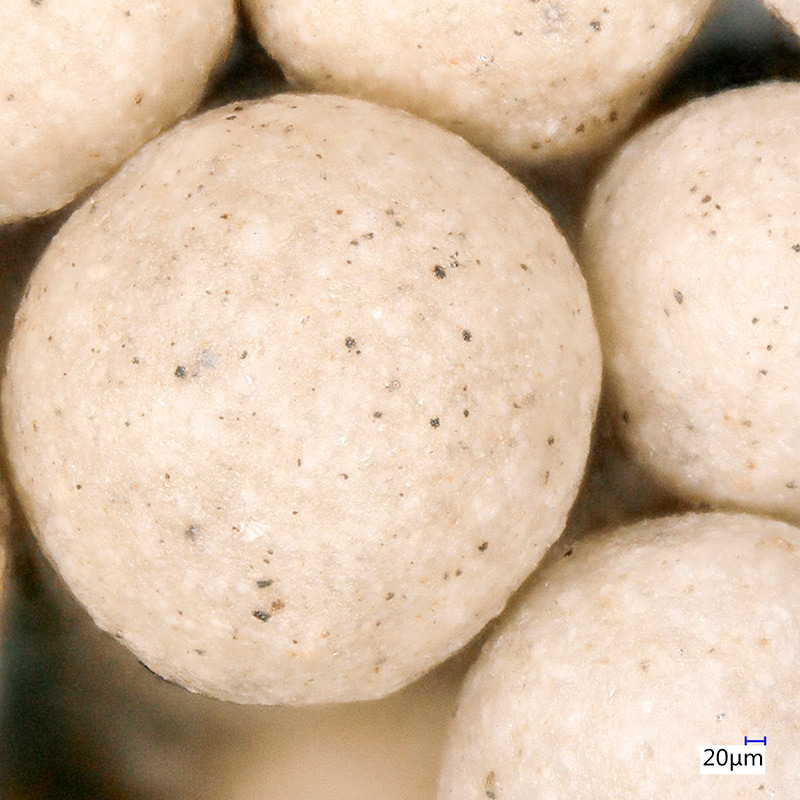
- Superior Flowability and Packing Density: The perfectly spherical shape of Ceramcast sand grains ensures excellent flowability, leading to higher packing density and uniform mold compaction. This is vital for achieving consistent mold strength and intricate details, especially in automated molding systems.
- Excellent Surface Finish: The smooth, spherical grains minimize metal penetration and burn-on, resulting in significantly improved surface finish for castings. This reduces post-processing costs (e.g., fettling, grinding) by up to 30-50% compared to traditional silica sand.
- High Permeability: Despite its dense packing, the uniform spherical nature allows for excellent gas permeability, facilitating the escape of mold gases and reducing gas-related defects such as blowholes and pinholes.
- Chemical Inertness: Ceramcast sand is chemically stable and minimally reactive with various binder systems and molten metals, preventing chemical defects and ensuring compatibility across different casting processes and alloys.
- Durability and Reusability: Its high crush strength and wear resistance contribute to an extended service life. Ceramcast sand can be reclaimed and reused multiple times (often >100 cycles) with minimal loss, significantly lowering long-term material consumption and disposal costs. This makes it an economical choice for metal casting sand for sale, despite a higher initial cost.
- Energy Saving: Improved mold stability and reduced defects lead to fewer rejections, minimizing energy consumption associated with remelting and reprocessing. The inherent properties of the sand also contribute to more efficient heat transfer during solidification.
- Corrosion Resistance: For foundries producing components for corrosive environments, the inert nature of Ceramcast sand ensures it does not contribute to or exacerbate corrosion issues in the casting process.
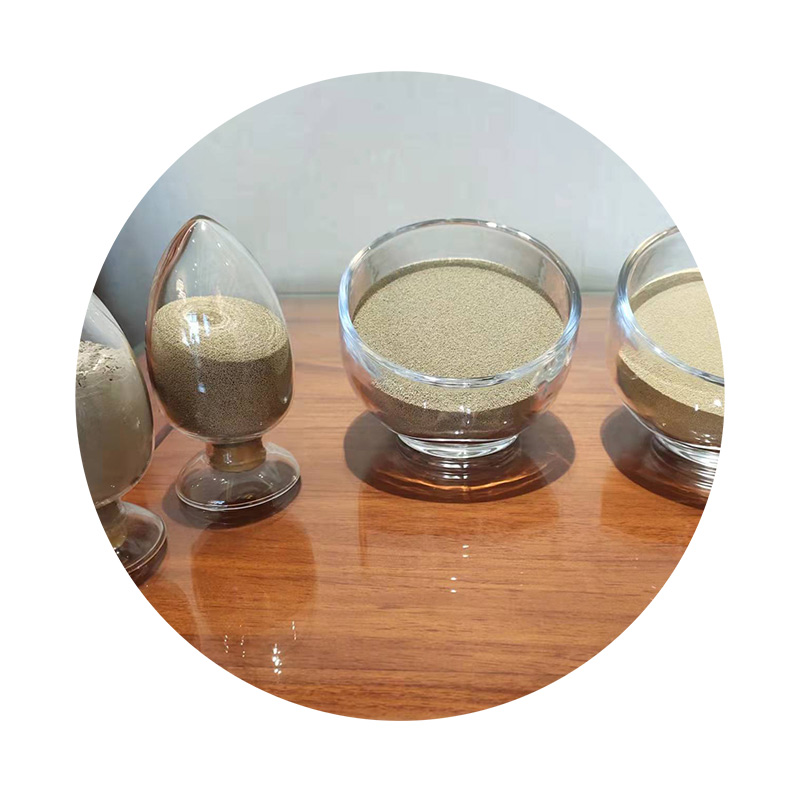
Vendor Comparison: Ceramcast Sand vs. Traditional Sands
Choosing the right casting sand for sale involves evaluating various factors beyond initial sand casting price. A comparative analysis highlights the long-term value proposition of advanced ceramic sands.
| Feature/Parameter | Ceramcast Sand (Ball Shape) | Silica Sand (Typical) | Chromite Sand |
|---|---|---|---|
| Refractoriness (°C) | ≥ 1790 | ~1600 | ~1800 |
| Thermal Expansion | Very Low (≤ 4.0 x 10⁻⁶ /K) | High (~12-14 x 10⁻⁶ /K) | Moderate (~8-10 x 10⁻⁶ /K) |
| Grain Shape | Spherical | Angular to Sub-angular | Angular |
| Flowability & Packing Density | Excellent | Good to Fair | Fair |
| Surface Finish of Castings | Very Good to Excellent | Fair to Good | Good |
| Reusability/Service Life | High (>100 cycles) | Limited (20-50 cycles) | Moderate (50-70 cycles) |
| Cost (Relative) | High Initial, Low TCO | Low Initial, High TCO | Moderate Initial, Moderate TCO |
| Environmental Impact | Low (reusable, less waste) | Moderate (silicosis risk, more waste) | Moderate (heavy metal content) |
This comparison clearly demonstrates that while the upfront sand casting price for Ceramcast sand may be higher, its superior performance, extended service life, and reduced defect rates translate into a significantly lower total cost of ownership (TCO) for foundries, especially for high-value castings.
Customized Solutions and Case Studies
Tailored Solutions for Specific Needs
Recognizing that each foundry operation presents unique challenges and requirements, Sinoceramsite offers customized Ceramcast solutions. Our technical experts collaborate closely with clients to understand their specific casting processes, target alloys, binder systems, and desired casting properties. This includes:
- Optimized AFS GFN Grades: Providing specific particle size distributions to achieve desired mold permeability, packing density, and surface finish for various types of sand used in sand casting.
- Binder Compatibility Studies: Assisting foundries in integrating Ceramcast sand seamlessly with their existing resin or inorganic binder systems, optimizing binder ratios for maximum performance and minimal defects.
- Process Optimization Support: Offering on-site technical support and guidance for implementing Ceramcast sand, optimizing molding parameters, core production, and reclamation processes to maximize benefits.
Application Case Studies
Case Study 1: Automotive Engine Block Casting (Gray Iron)
A major automotive foundry faced persistent issues with surface finish and veining in complex gray iron engine block castings using traditional silica sand. After implementing Ceramcast sand (AFS 50/60) in core production and strategic mold sections, the foundry achieved:
- A 45% reduction in surface defect-related rejections.
- A 30% decrease in post-casting cleaning and grinding time.
- An extended core sand service life by over 80 cycles, significantly reducing new sand procurement and disposal costs.
Case Study 2: Stainless Steel Valve Bodies (No-Bake Process)
A valve manufacturer producing critical stainless steel components struggled with metal penetration and sand adherence, leading to costly reworks. By transitioning to Ceramcast sand for both mold and core production in their no-bake process, they experienced:
- Elimination of metal penetration issues.
- Achieved Ra surface roughness values below 6.3 µm consistently, meeting stringent client specifications.
- Reduced overall operational costs by 15% through improved casting quality and reduced scrap rates.
Ensuring Trustworthiness: FAQ, Logistics, Warranty, and Support
Frequently Asked Questions (FAQ)
- Q: Is Ceramcast sand compatible with all binder systems?
- A: Ceramcast sand exhibits excellent compatibility with most commonly used organic and inorganic binder systems, including furan, phenolic, alkaline phenolic, ester-cured, and geopolymers. We recommend conducting compatibility tests or consulting our technical team for specific applications.
- Q: How does Ceramcast sand impact sand reclamation?
- A: Due to its high crush strength and spherical shape, Ceramcast sand demonstrates superior resistance to degradation during thermal and mechanical reclamation processes. This results in higher recovery rates, lower binder consumption for reclaimed sand, and fewer fines compared to angular sands, maximizing the economic benefits of choosing this specific casting sand for sale.
- Q: What are the typical storage requirements for Ceramcast sand?
- A: Ceramcast sand should be stored in a dry environment, protected from moisture and extreme temperatures. It is typically supplied in 1-ton bulk bags (FIBCs) or smaller poly-lined bags to ensure optimal condition upon delivery.
Lead Time & Fulfillment
Sinoceramsite maintains robust production capabilities and strategic logistics partnerships to ensure timely delivery of Ceramcast sand globally. Standard lead times for stock grades typically range from 2-4 weeks, depending on order volume and destination. Expedited shipping options are available upon request. For large-scale or customized orders, specific lead times will be provided upon consultation and order confirmation. We work diligently to align with client production schedules to minimize any operational disruptions.
Warranty & Quality Assurance
All Ceramcast products are manufactured under strict ISO 9001:2015 certified quality management systems. We guarantee that our casting sand for sale meets or exceeds the published technical specifications and industry standards. In the unlikely event of a product not meeting these specifications, Sinoceramsite commits to a thorough investigation and appropriate resolution, including replacement or credit, subject to our standard terms and conditions. Comprehensive Certificates of Analysis (CoA) are provided with each shipment.
Customer Support & Technical Services
Our dedicated team of foundry specialists and technical engineers provides unparalleled customer support from initial inquiry through product implementation and ongoing process optimization. Services include:
- Pre-sales consultation and material selection guidance.
- On-site technical assistance and process audits.
- Troubleshooting and defect analysis support.
- Customized training for foundry personnel.
We are committed to building long-term partnerships, ensuring our clients achieve maximum efficiency and superior casting quality with Ceramcast sand.
Conclusion
The selection of foundry sand is a strategic decision that profoundly impacts casting quality, production efficiency, and overall profitability. Ceramcast sand ball shape represents a significant advancement in foundry technology, offering a robust solution to many of the limitations associated with conventional sands. Its unique spherical grain structure, combined with exceptional refractoriness, low thermal expansion, and superior durability, positions it as the premium choice for foundries aiming for higher quality, reduced defects, and improved environmental performance. For businesses seeking reliable, high-performance casting sand for sale, Ceramcast stands as a testament to innovation and excellence in the metallurgy industry.
References
- AFS (American Foundry Society) Technical Reports on Foundry Sand Standards.
- ASM Handbook, Volume 15: Casting. ASM International.
- International Standards Organization (ISO) Publications on Quality Management Systems (ISO 9001).
- American Society for Testing and Materials (ASTM) Standards for Refractory Materials.
Next:Resin Coated Sand: Precision Casting Begins with the Right Foundation