
What I’ve learned about bauxite sand in modern foundries
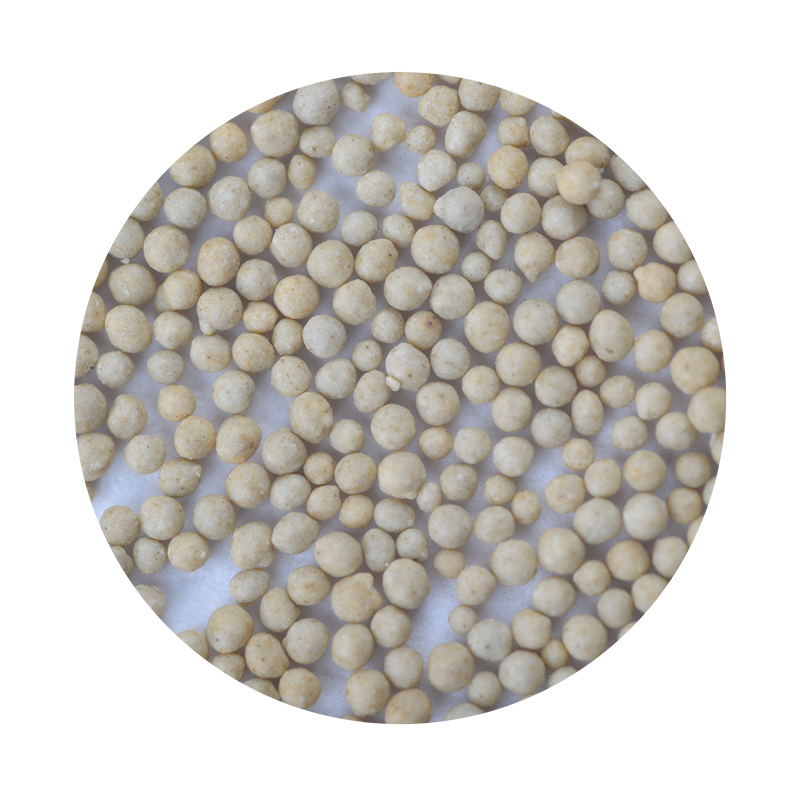
If you walk a melt shop floor in 2025, the wish list hasn’t changed much: tighter dimensional control, fewer veining defects, and a binder bill that doesn’t sting. That’s where bauxite sand—also marketed as Green Beads, MinSand, Ceramic Beads, and Spherical Beads—has quietly become the “why didn’t we switch sooner?” media. It’s spherical, flows like water, and (this surprised me) often trims binder/hardener usage without compromising mold strength. In iron and steel, that’s gold.
Industry trends I’m seeing
- Switch from silica to bauxite sand or ceramic media for low thermal expansion and smoother finishes.
- Binder reduction initiatives (carbon footprint is the new KPI, honestly).
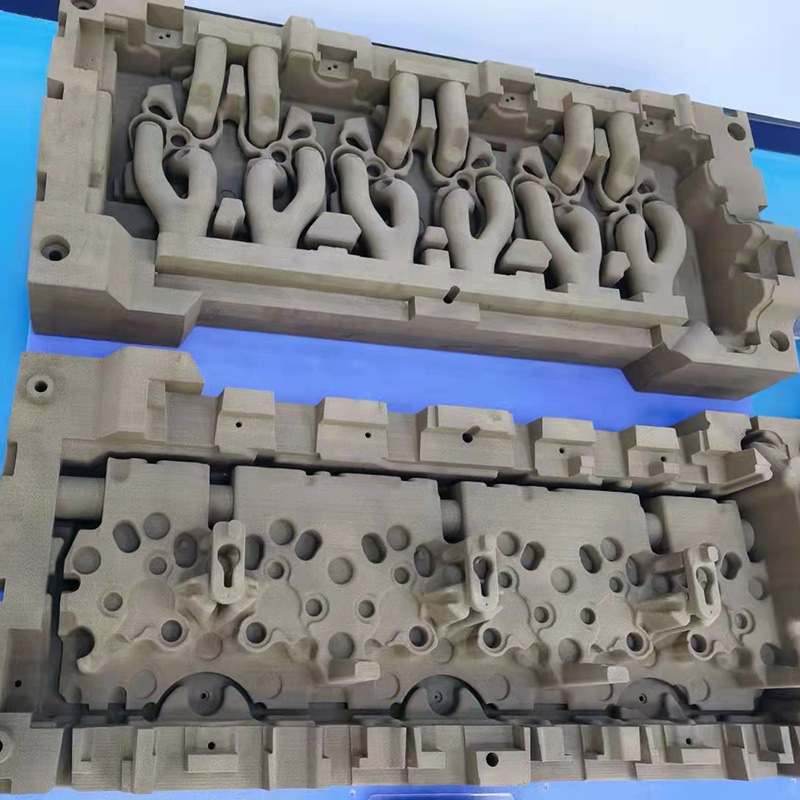
- Adoption in no-bake, shell/core, and even binder-jet 3D printing thanks to consistent sphericity.
Technical specs at a glance
Below are typical values for “Bauxite sand for foundries” from Shanghai (Origin: No.669 Xinmiao Sanlu, Xinqiao Town, Songjiang Dist, Shanghai). Real-world use may vary a bit per batch and GFN.
| Shape | Spherical (sphericity ≈ 0.9) |
| Refractoriness | Up to ≈1800°C |
| Thermal expansion (CLTE) | Low; typical ≤ 2–3×10⁻⁶/°C (room temp to 600°C) |
| Chemistry (indicative) | Al₂O₃ ≈ 65–75%; SiO₂ ≈ 20–28%; Fe₂O₃ ≤ 2% |
| Density / Bulk density | True ≈ 3.2–3.6 g/cm³; Bulk ≈ 1.5–1.7 g/cm³ |
| GFN ranges | 40–120 AFS, custom cuts on request |
| LOI | ≤ 0.2% |
How it’s made (process flow)
- Materials: selected calcined bauxite feedstock with controlled Al₂O₃/SiO₂ and low alkali/Fe.
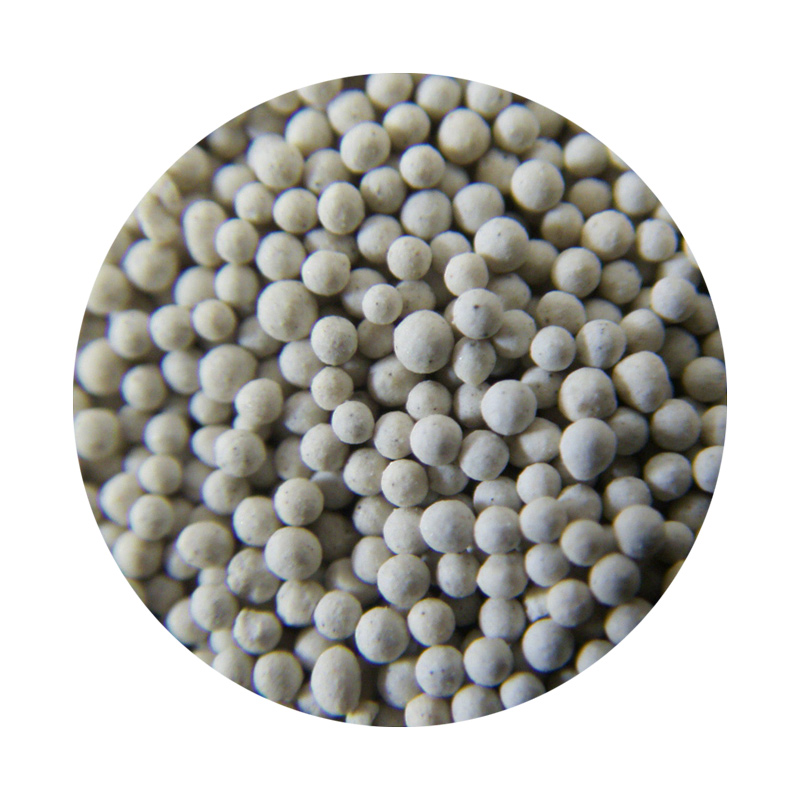
- Method: crushing → classification (ASTM E11/ISO 3310 sieves) → spherical granulation and high-temp sintering → de-dusting → precise screening.
- Testing: GFN per AFS 1106; CLTE per ASTM E831; refractoriness (pyrometric cone equivalent); LOI and acid demand value; sphericity via image analysis.
- Service life: typically reusable via mechanical reclamation; many customers report 8–12 cycles in no-bake lines, depending on burn-on and fines control.
- Industries: iron and steel castings, pump housings, brake components, valve bodies, wind/energy components, tooling, and binder-jet 3DP cores.
Why foundries switch
- Flowability and packing uniformity from the spherical shape reduce veining and burn-on.
- Lower binder demand (I’ve heard 10–30% in real shops) because the surface area is lower vs. angular silica.
- Thermal stability: bauxite sand keeps dimensions tight under heat, which is the whole ballgame for steel.
Vendor snapshot (what buyers compare)
| Vendor | Media | Refractoriness | Binder need | Notes/Certs |
|---|---|---|---|---|
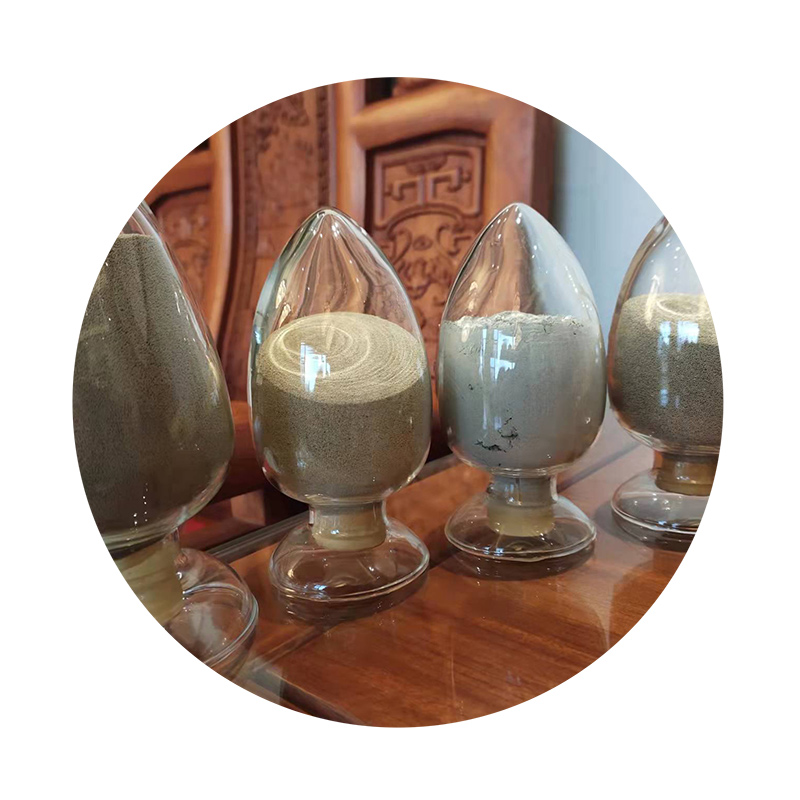
| Shanghai supplier (Sinoceramsite) | bauxite sand (spherical) | ≈1800°C | Low | ISO 9001/14001; REACH-ready; custom GFN |
| Chromite supplier | Chromite sand | High | Medium | Good hot strength; heavier handling |
| Silica supplier | Washed silica sand | Lower | Higher | Cost-effective; higher thermal expansion |
Customization and packaging
Custom GFN cuts (40–120), blended curves for cores vs. molds, resin-coated options, and packaging in 25 kg bags, 1-ton super sacks, or silo bulk. Many buyers ask for COA per lot and SDS aligned with EU REACH.
Field notes and a quick case
A Tier-1 ag-casting plant (anonymized) swapped to bauxite sand on its no-bake steel line. After a 6-week ramp, scrap from veining dropped ≈22%, binder addition fell 18% on average, and shakeout improved because the bead morphology resisted sintering-on. Operators told me, to be honest, the biggest win was less rework time on impellers.
Quality and verification
- Sieving: ASTM E11 / ISO 3310; GFN via AFS 1106.
- CLTE: ASTM E831; thermal shock verification per internal foundry procedures.
- Certifications: ISO 9001 quality, ISO 14001 environmental; supplier can provide COA and batch traceability.
Citations
- ASTM E11 – Standard Specification for Woven Wire Test Sieve Cloth and Test Sieves.
- ASTM E831 – Standard Test Method for Linear Thermal Expansion of Solid Materials by Thermomechanical Analysis.
- AFS 1106-00-S – Grain Fineness Number (American Foundry Society).
- ISO 9001 / ISO 14001 – Quality and Environmental Management Systems.
Next:Sanding Glazed Ceramics Made Easy: Smooth, Safe, Pro Finish