
Advantages of Sand Casting
Sand casting, one of the oldest and most versatile manufacturing processes, continues to hold a significant place in various industries, from automotive to aerospace. This method involves creating a mold from sand and pouring molten metal into it to form a desired shape. Although modern technologies have emerged, the advantages of sand casting make it a preferred choice for many applications. This article explores the key benefits of sand casting.
1. Cost-Effectiveness
One of the primary advantages of sand casting is its cost-effectiveness. The raw materials required, such as sand, clay, and water, are relatively inexpensive compared to those needed for other casting methods. Additionally, the equipment used for sand casting is comparatively simple and requires less initial investment. This makes sand casting a viable option for both small-scale operations and larger, more industrial applications.
2. Versatility in Materials
Sand casting allows for the use of a wide variety of metals and alloys, including aluminum, bronze, iron, and steel. This versatility enables manufacturers to select the most suitable materials for their specific applications. Moreover, sand casting is not limited to the production of simple shapes; it can create complex geometries that might be challenging for other casting methods, such as die casting.
3. Large Component Production
Another significant advantage of sand casting is its ability to produce large components. Unlike other casting techniques that may have size limitations, sand casting molds can be made to accommodate large parts. This is particularly beneficial for industries like automotive and aerospace, where massive engine blocks or structural components are required. The ability to produce large, single pieces reduces the need for assembly, leading to improved structural integrity and reduced manufacturing time.
4. Design Flexibility
Sand casting offers exceptional design flexibility, allowing engineers and designers to create intricate shapes with ease. The sand mold can be easily modified to accommodate changes in design or new product innovations without the need for extensive retooling. This adaptability makes sand casting an intelligent choice for prototyping, as it can be used to test new designs quickly and efficiently.
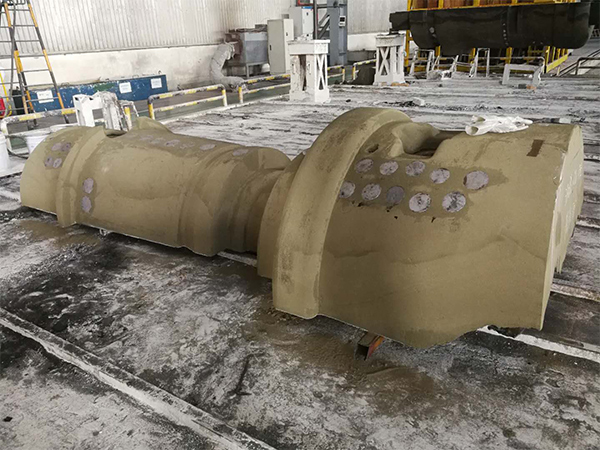
advantage of sand casting
5. Low Production Time
While sand casting may not be the fastest initial process compared to other methods like die casting, it can achieve a quick turnaround for low to medium production runs. Once the initial mold is created, subsequent casting can occur rapidly. This is crucial in industries that require quick production cycles or rapid prototyping to bring new products to market quickly.
6. Excellent Dimensional Accuracy and Surface Finish
Advancements in sand casting technology have resulted in improved dimensional accuracy and surface finish. Although sand casting traditionally had challenges with surface roughness, modern methods, such as the use of coated sands and advanced molding techniques, have addressed these issues effectively. This means that finished products often require minimal machining, which enhances overall cost-effectiveness and efficiency.
7. Environmental Benefits
Sand casting is often perceived to be more environmentally friendly compared to other casting processes. The materials used—primarily sand—are abundant and can be recycled. The recycling process reduces waste and minimizes environmental impact. Additionally, the emissions associated with sand casting are lower than those from some other manufacturing processes, making it a more sustainable option.
8. Ease of Casting Complex Shapes
The simplicity of producing intricate mold designs is a major advantage of sand casting. Crafting complex shapes and features is relatively straightforward, as the sand can easily capture fine details. This ability makes sand casting ideal for producing specialized components, such as intricate engine parts or artistic sculptures, where detail accuracy is paramount.
Conclusion
In summary, sand casting remains a timeless and practical manufacturing process with numerous advantages. Its cost-effectiveness, material versatility, ability to produce large components, design flexibility, and low production time make it an attractive option for businesses across various sectors. Additionally, environmental benefits and the capability to create complex shapes add to its appeal. As industries continue to innovate and develop, sand casting is likely to evolve and maintain its relevance in the manufacturing landscape for years to come.
Post time:Nov . 05, 2024 17:34
Next:gold sand price