Foundry Sand Solutions for Equatorial Guinea Industrial Growth

Optimizing casting precision and reducing operational costs for Equatorial Guinea's evolving manufacturing sector with high-performance sintered ceramic sand.

Request Technical Data

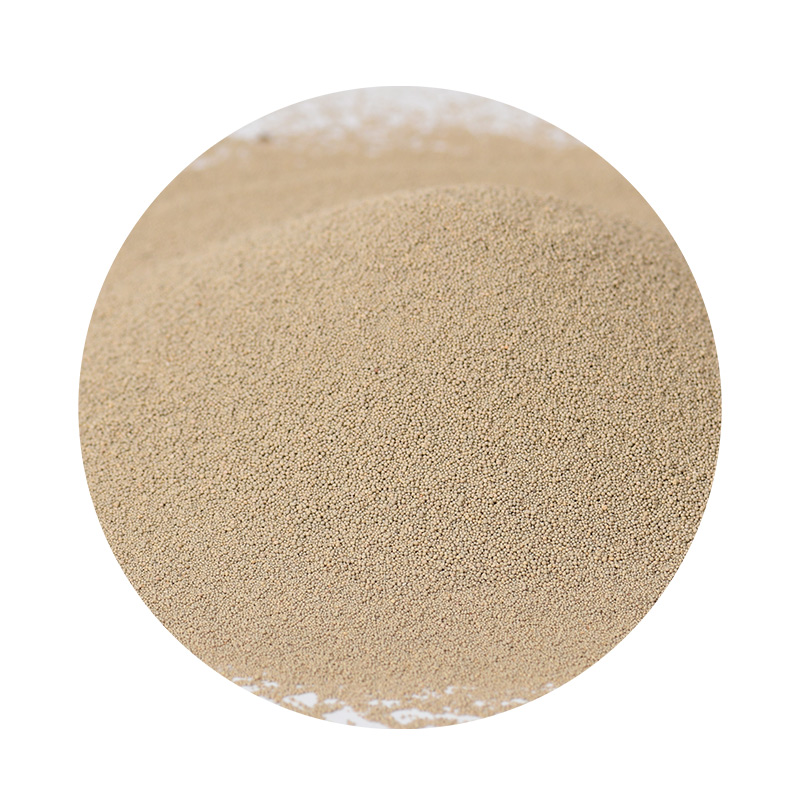
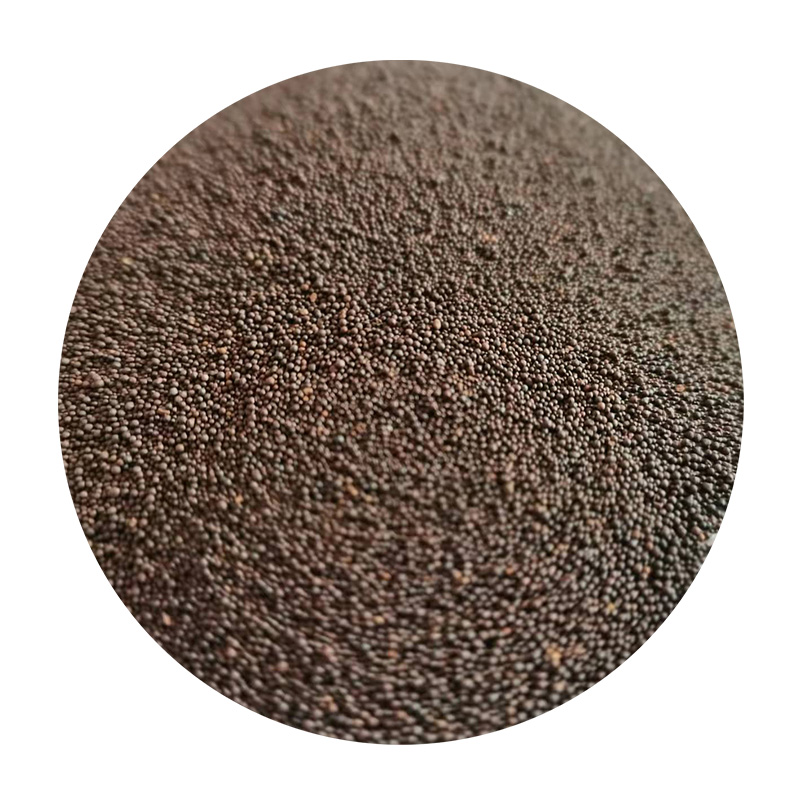
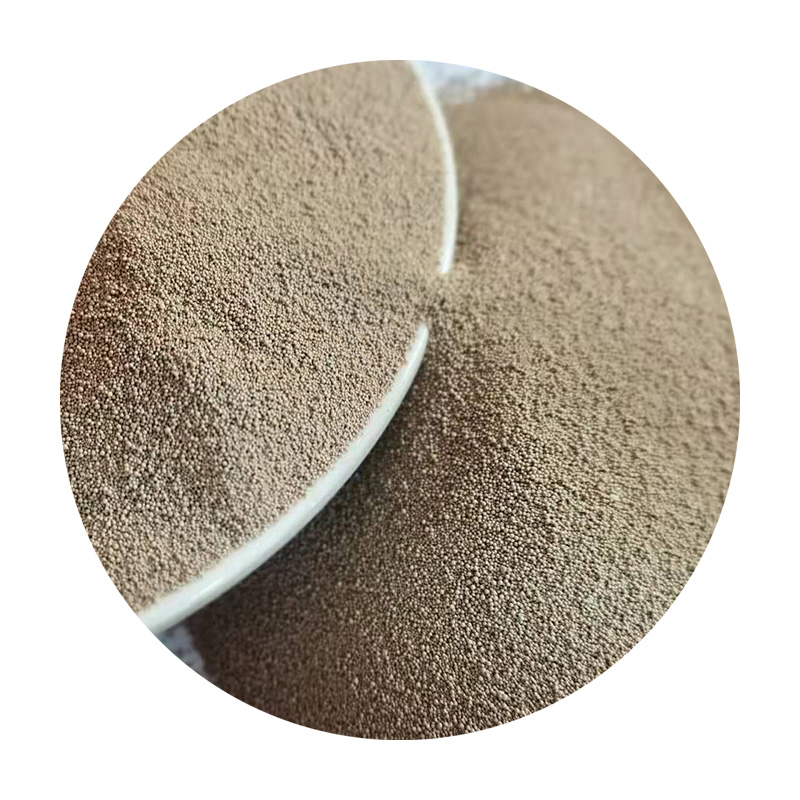
High-Performance Ceramic Sand Series

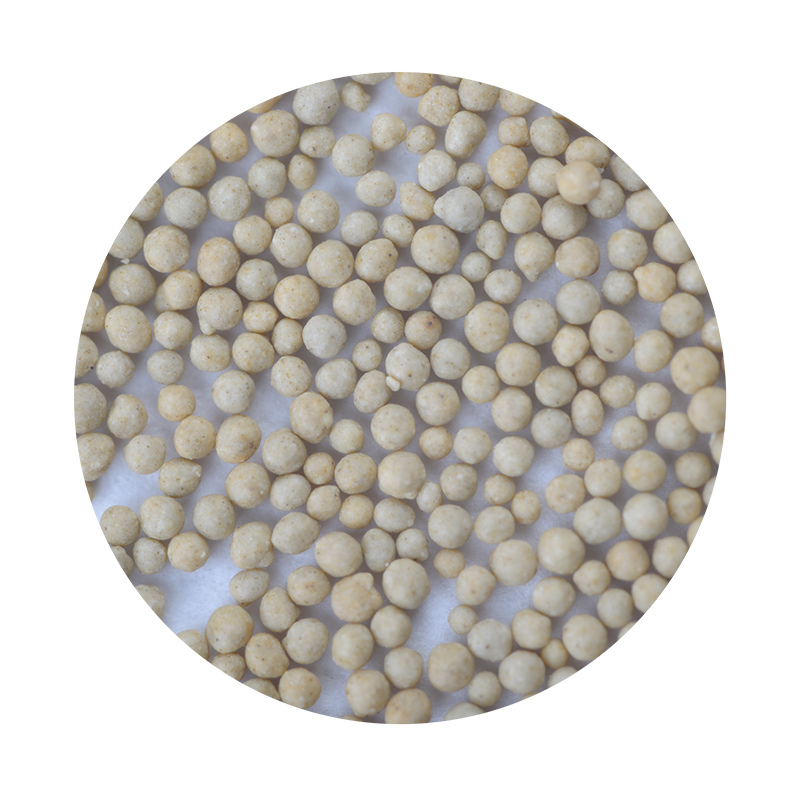
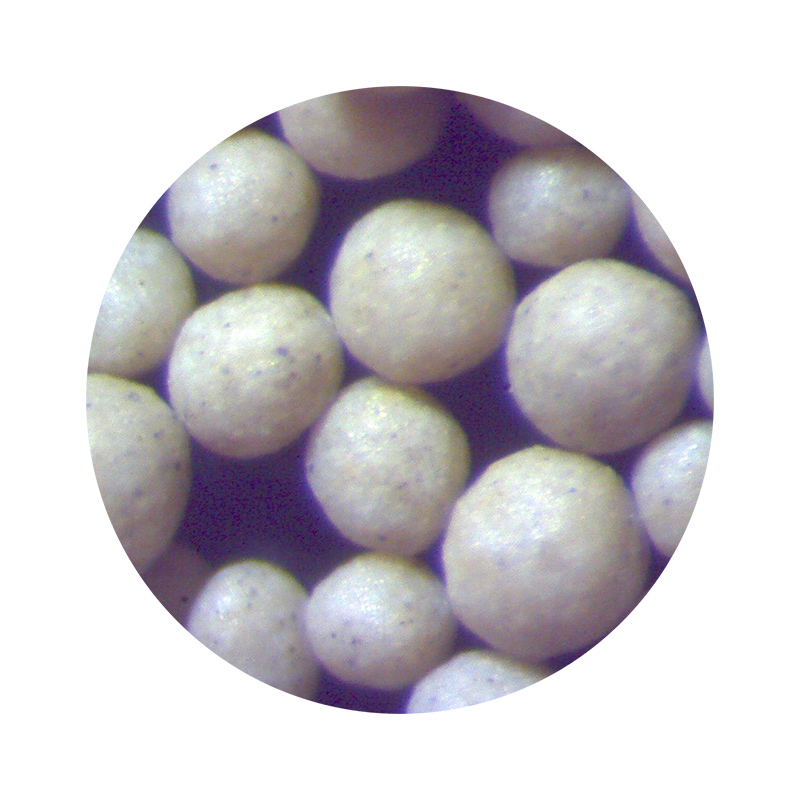
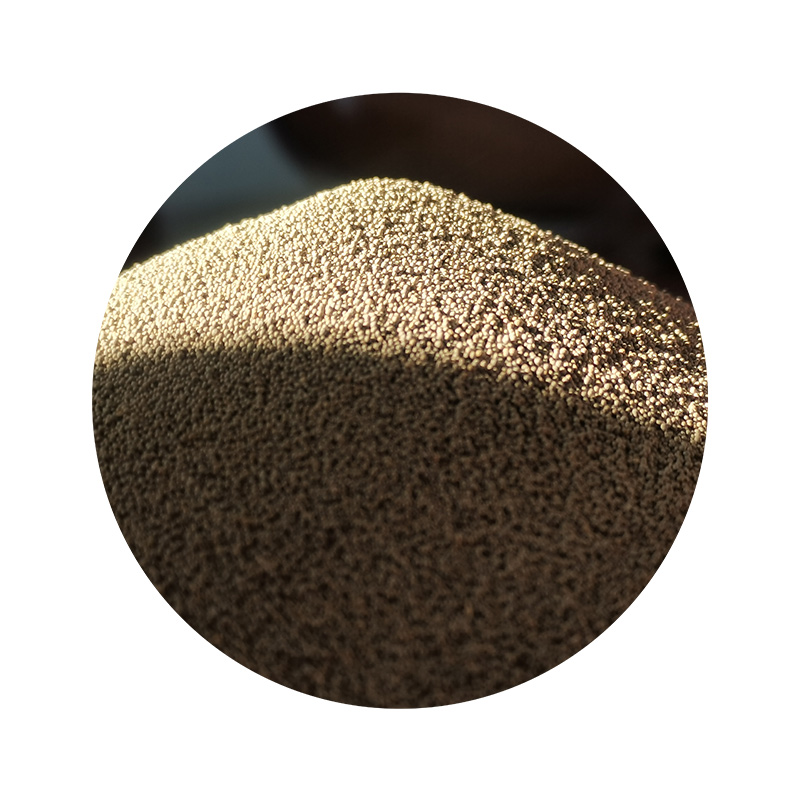
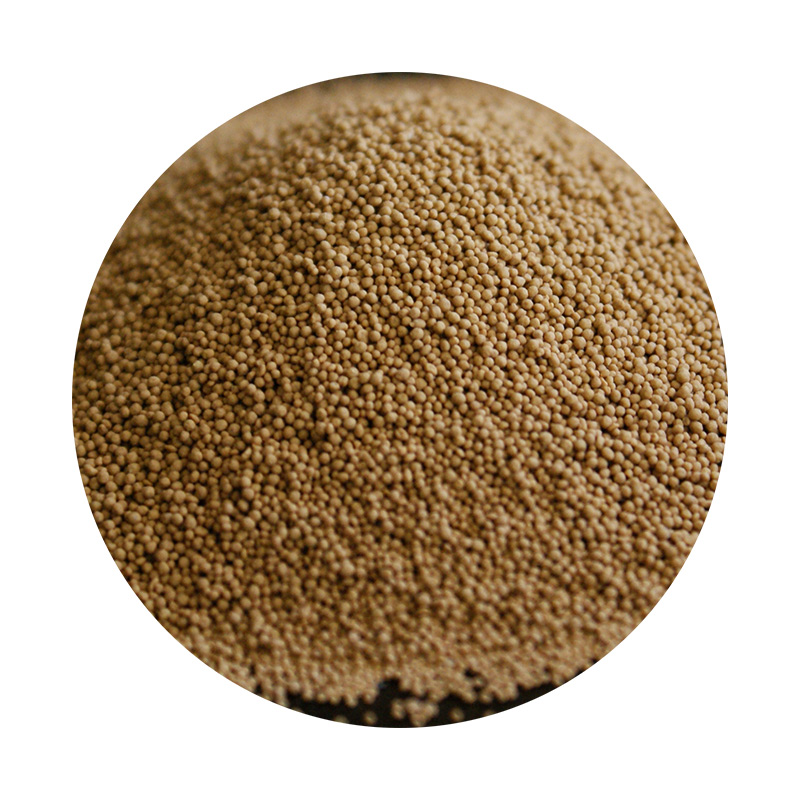
Engineered sintered ceramic sands designed to replace silica and zircon sand in diverse metallurgical applications.

Navigating Casting Requirements in Equatorial Guinea

Addressing the balance between production cost and surface quality in local foundries.

In Equatorial Guinea, the manufacturing landscape is increasingly focused on infrastructure and energy-related components. The humid tropical climate and specific logistical challenges often make the procurement of high-grade materials difficult. For local foundries, implementing ceramic sanding techniques is essential to ensure that cast parts meet international standards, especially when dealing with the corrosive environments typical of coastal industrial zones.

Many regional operators struggle with the inconsistency of traditional silica sand, leading to casting defects and high scrap rates. Transitioning to heath ceramics sand allows for superior thermal stability and a smoother surface finish. This is particularly critical for precision components where the cost of reworking parts exceeds the initial investment in premium sintered materials, providing a sustainable path toward higher operational efficiency.

As the industry moves toward more complex alloys—including stainless steel and cast aluminum—the demand for specialized mold materials grows. By adopting simply sands ceramics, enterprises in Equatorial Guinea can significantly reduce their reliance on expensive fused ceramic alternatives while maintaining the rigorous quality control required for heavy-duty industrial machinery and automotive components.
Evolution of Casting Materials in the Region

From basic mineral sands to advanced sintered ceramic technology.

Material Journey

2000-2010

Traditional Foundations. Widespread reliance on locally sourced silica sand and basic casting methods, with limited focus on surface precision or thermal expansion control.

2011-2020

Material Diversification. Introduction of fused zircon and chromite sands to handle higher temperature alloys, though costs remained a significant barrier for small-scale foundries.

2021-Present

Sintered Revolution. Shift toward sintered ceramic sands to achieve a balance of cost-efficiency and high-performance casting, focusing on green production and environmental compliance.

Industry Shifts

  • Eco-Friendly Foundry Practices

    Transitioning to materials that support green casting and reduce waste emissions in urban industrial zones.

  • Precision Surface Finishing

    Increased adoption of sanding glazed ceramics techniques to minimize post-cast machining time.

  • Supply Chain Localization

    Preference for stable, high-capacity international suppliers who can guarantee consistent quality and prompt delivery to Central Africa.

The Future of Ceramic Sand Application in Equatorial Guinea

Technological trajectories for the next generation of foundries.

Thermal Efficiency
Developing materials with lower thermal expansion to eliminate casting distortions in large-scale components.
Cost Optimization
Substituting expensive zircon sand with sintered ceramic alternatives to lower raw material overheads.
Surface Refinement
Implementing advanced wet sanding ceramics processes to achieve mirror-like finishes on critical surfaces.
Green Certification
Aligning production with ISO14001 standards to meet emerging environmental regulations in Equatorial Guinea.

From current industry trajectories, it is expected that foundries in the region will move toward highly automated casting lines. The integration of sintered ceramic sand allows for more predictable mold behavior, which is a prerequisite for robotic pouring and automated shaking systems. This shift will likely reduce labor-intensive manual finishing and lower the overall error rate in production.

Furthermore, the commercial ecosystem will likely evolve toward strategic partnerships with high-capacity manufacturers. Given the logistics of shipping to Equatorial Guinea, the ability to secure a stable supply of 200,000 tons per year ensures that local projects—from oil and gas infrastructure to urban development—can proceed without material-induced delays.

Practical Applications in Equatorial Guinea

Real-world scenarios where high-grade ceramic sand adds measurable value.

01
Energy Infrastructure Components

In local industrial zones, the casting of heavy valve bodies for oil and gas requires extreme thermal stability. Sintered ceramic sand prevents mold collapse and ensures dimensional accuracy for high-pressure fittings.

02
Marine Engine Parts Manufacturing

Foundries serving the maritime sector use these materials to produce cast iron engine blocks with superior surface integrity, reducing the need for expensive grinding and finishing operations.

03
Urban Construction Hardware

Local manufacturing of architectural cast steel elements benefits from the smooth finish of ceramic sands, allowing for rapid production of decorative and structural components for new city developments.

04
Agricultural Equipment Casting

For producing durable cast aluminum parts for farming machinery, sintered sand offers the necessary permeability to avoid gas porosity and ensure the longevity of parts in harsh field conditions.

05
Specialized Alloy Prototyping

Regional research and development centers utilize high-performance sands for prototyping stainless steel components, where precise chemical neutrality of the sand is required to prevent surface contamination.

Shenghuo New Material Technology Co., Ltd.

A legacy of innovation in sintered ceramic sand manufacturing.

2007
Company Foundation

Established in Handan City, Hebei Province, focusing on the development of advanced materials for the foundry industry.

Growth Phase
Capacity Expansion

Developed two advanced production lines covering 150 acres, achieving an annual capacity of 200,000 tons of sintered ceramic sand.

Certification
Quality Standards

Successfully passed ISO9001 and ISO14001 certifications, ensuring a rigorous, green, and traceable production process.

Present
Technological Leadership

Holding 15 intellectual property rights and 11 national invention patents, collaborating with Hebei University for continuous R&D.

Comprehensive Sand Solutions for Equatorial Guinea

Explore our full range of sintered materials designed for cast iron, steel, aluminum, and copper alloys.

Foundry Material Technical FAQ

Expert answers to common procurement and technical queries.

How does sintered ceramic sand compare to zircon sand in terms of cost for local foundries?

Sintered ceramic sand serves as a highly cost-effective substitute for fused zircon or chromite sands. It provides similar thermal stability and surface quality while significantly reducing the raw material expenditure per casting, making it ideal for foundries in Equatorial Guinea looking to optimize production budgets.

Can these ceramic sands be used for different casting alloys in one facility?

Yes, our sintered ceramic sand is widely applicable across multiple alloys, including cast iron, cast steel, stainless steel, cast aluminum, and copper. Its versatile chemical properties ensure compatibility without the need for separate sand systems for each metal type.

What are the logistics and delivery timelines for shipments to Equatorial Guinea?

With an annual capacity of 200,000 MT, we maintain a stable supply chain. We offer prompt delivery services through established maritime routes to the region, ensuring that your production schedule is never interrupted by material shortages.

How do I integrate sintered sand into an existing green casting process?

The transition is straightforward as our product is designed for the green casting industry. We provide professional technology support to help you adjust binder ratios and molding parameters to maximize the performance of the ceramic sand in your specific environment.

Are the materials compliant with international environmental and safety standards?

Absolutely. Our production process is ISO9001 and ISO14001 certified. We employ a comprehensive inspection and tracking system from raw materials to finished products, ensuring green production that meets strict environmental guidelines.

What is the impact of using ceramic sand on the final surface finish of cast parts?

Sintered ceramic sand significantly improves surface smoothness by reducing the interaction between the metal and the mold. This leads to a reduction in surface defects and a lower requirement for post-cast sanding or machining, enhancing overall efficiency.

Optimize Your Casting Quality Today

Ready to reduce costs and improve precision in Equatorial Guinea? Contact us for tailored material solutions and technical support.

Get Expert Consultation
Leave Your Message

If you are interested in our products, you can choose to leave your information here, and we will be in touch with you shortly.


If you are interested in our products, you can choose to leave your information here, and we will be in touch with you shortly.