
Foundry Sands: A Comprehensive Guide for Global Trade
Foundry sands are essential materials in the metal casting industry, providing the mold structure necessary for creating metal parts. The quality and type of foundry sands significantly impact the final product's accuracy, surface finish, and overall integrity. This article explores the different types of foundry sands, their applications, key considerations for sourcing, and the global trade landscape. Understanding these aspects is critical for businesses involved in metal casting and those looking to participate in the global supply chain. Choosing the right foundry sand can optimize your casting processes and reduce production costs.
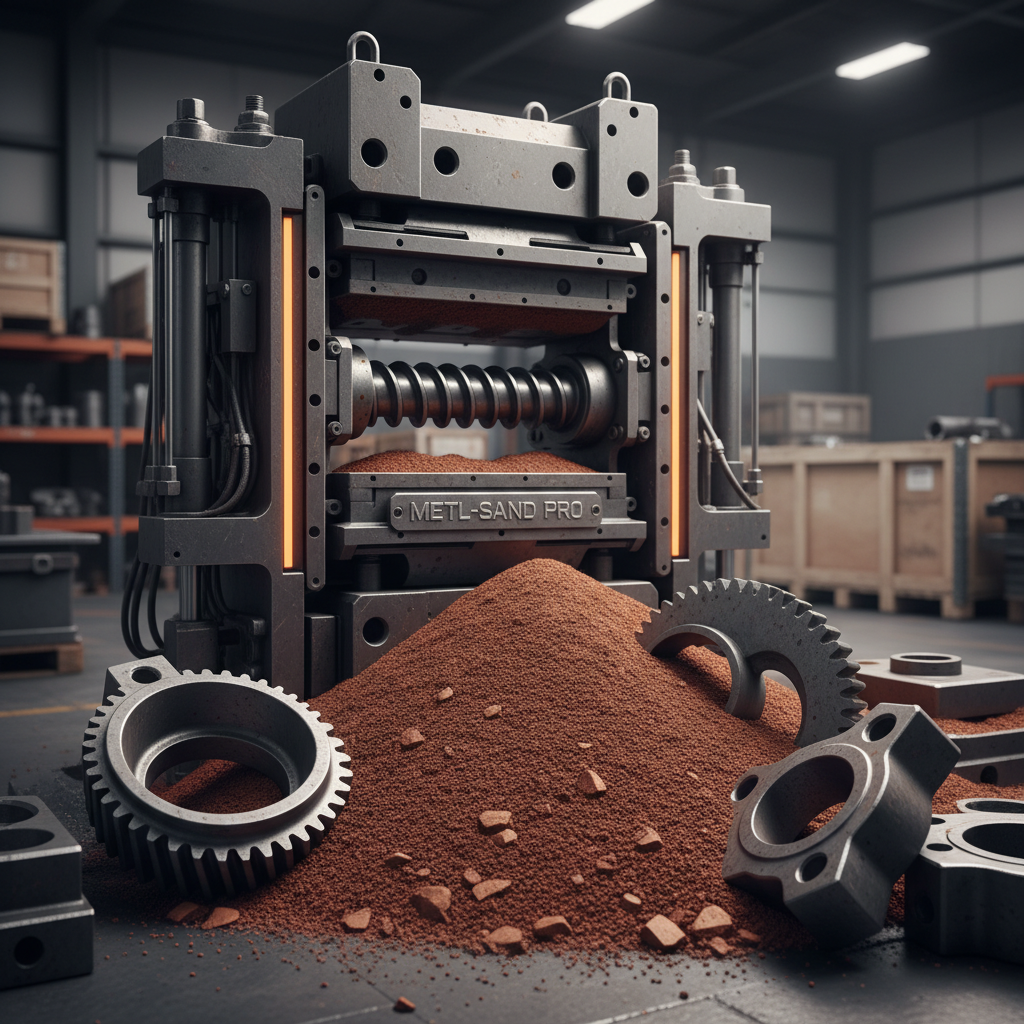
Types of Foundry Sands
Foundry sands are categorized based on their mineral composition and grain size. The most common types include silica sand, olivine sand, zircon sand, and chromite sand. Each type possesses unique properties suited for specific casting applications. Silica sand, being the most abundant and cost-effective, is widely used for general-purpose castings. Olivine sand offers superior thermal stability, making it ideal for hot metal castings. Zircon sand boasts excellent chemical inertness and is favored for precision castings. Chromite sand provides high refractoriness and is used in applications requiring resistance to high temperatures.
Key Takeaway: The choice of foundry sand depends on the metal being cast, the casting process used, and the desired quality of the final product.
Applications of Different Foundry Sands
The application of specific foundry sands is directly linked to their properties. Silica sand is commonly used for iron, steel, and non-ferrous metal castings where high refractoriness isn’t a primary concern. Olivine sand excels in applications involving high-temperature alloys, reducing metal penetration and sand erosion. Zircon sand is ideal for precision castings of stainless steel, aluminum, and other alloys demanding excellent surface finish and dimensional accuracy. Chromite sand finds use in producing complex shapes for steel and alloy castings needing high thermal stability. Choosing the right sand for your application can improve casting quality and efficiency. You can explore a wider range of foundry sand solutions at Sinoceramsite.
Application Summary:
• Silica Sand: General purpose iron, steel, and non-ferrous castings.
• Olivine Sand: High-temperature alloys, reducing metal penetration.
• Zircon Sand: Precision castings, excellent surface finish.
• Chromite Sand: High thermal stability for complex steel castings.
Foundry Sand Properties: A Comparative Analysis
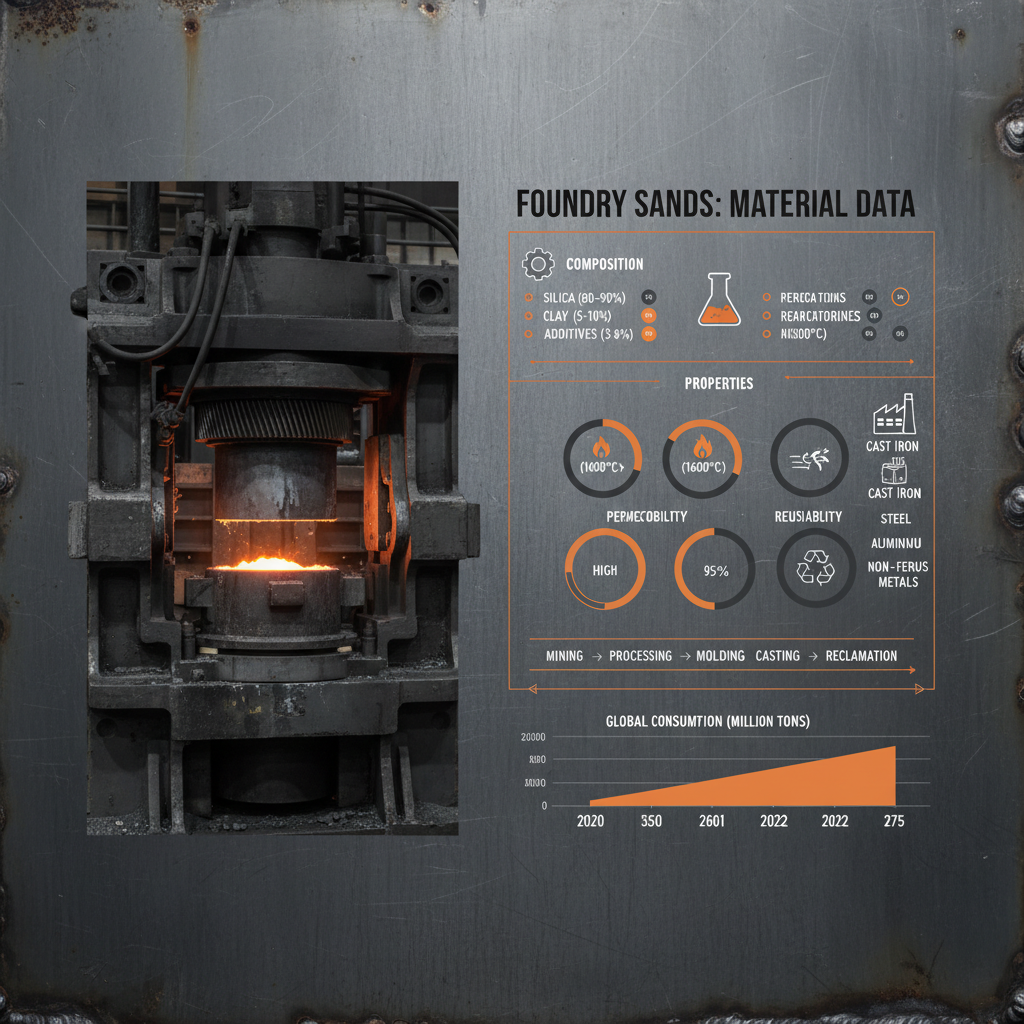
Understanding the key properties of different foundry sands is crucial for making informed decisions. These properties include grain shape, grain size distribution, refractoriness, permeability, and chemical composition. Grain shape influences sand packing and permeability. Grain size distribution affects surface finish and casting accuracy. Refractoriness determines the sand's ability to withstand high temperatures. Permeability impacts gas removal during the casting process. Chemical composition affects the sand's reactivity with molten metal. Comparing these properties allows for optimal sand selection for specific casting needs.
Global Trade of Foundry Sands: Trends and Key Players
The global foundry sand market is driven by the growth of the metal casting industry, particularly in emerging economies like China and India. Key exporting countries include Australia, the United States, and Spain. Major importing regions include Asia-Pacific, Europe, and North America. Fluctuations in raw material prices, transportation costs, and geopolitical factors influence trade dynamics. Ensuring a reliable and cost-effective supply chain is crucial for businesses in this sector. Sinoceramsite serves a global clientele with consistently high-quality foundry sands.
Sourcing Foundry Sands: Important Considerations
When sourcing foundry sands, several factors should be considered. These include consistent quality, reliable supply, competitive pricing, and adherence to environmental regulations. It's essential to work with reputable suppliers who can provide detailed product specifications and quality control documentation. Conducting thorough due diligence and verifying the supplier's certifications are crucial. Transportation costs, lead times, and potential trade barriers also need to be factored into the sourcing decision. By carefully evaluating these aspects, businesses can secure a stable and dependable supply of high-quality foundry sands.
Conclusion: Optimizing Your Casting Processes with the Right Foundry Sand
Choosing the right foundry sands is paramount to achieving high-quality castings and optimizing production efficiency. By understanding the different types of sands, their properties, and global trade dynamics, businesses can make informed decisions and secure a reliable supply chain. Sinoceramsite is committed to providing premium foundry sand solutions tailored to meet the specific needs of our customers worldwide. Invest in quality foundry sands for a superior casting process.
Frequently Asked Questions (FAQs)
What factors influence the cost of foundry sand?
The cost of foundry sand is influenced by several factors, including the type of sand, grain size, purity, source location, transportation costs, and market demand. Specialty sands like zircon and chromite are generally more expensive than silica sand due to their scarcity and unique properties. Transportation costs can significantly impact the overall price, particularly for long-distance shipments. Market fluctuations and geopolitical events can also contribute to price volatility. Sourcing from reliable suppliers and negotiating favorable contracts can help mitigate these costs.
How can I ensure the quality of the foundry sand I purchase?
Ensuring the quality of foundry sand involves several steps. Firstly, request detailed product specifications and quality control reports from the supplier. Secondly, verify the supplier's certifications and adherence to industry standards. Thirdly, conduct your own quality checks upon receiving the shipment, including grain size analysis, chemical composition testing, and permeability measurements. Finally, maintain a consistent relationship with a reputable supplier who prioritizes quality control and provides reliable documentation.
Are there environmental considerations when using foundry sand?
Yes, environmental considerations are important when using foundry sand. Silica sand, in particular, can pose a health hazard if inhaled as respirable crystalline silica. Proper dust control measures, such as ventilation and personal protective equipment, are essential. Additionally, the disposal of spent foundry sand needs to be managed responsibly, following local regulations. Some suppliers offer sand reclamation services to minimize waste and reduce environmental impact. Choosing environmentally responsible suppliers and implementing sustainable practices are crucial.
Next:Exploring the Sand Foundry Process and Its Global Manufacturing Significance