High Performance Sintered Ceramic Guide where to buy foundry sand
Finding a reliable source for high-performance molding materials is a critical decision for any foundry aiming to reduce scrap rates and optimize production costs. Sintered ceramic sand has emerged as a superior alternative to traditional silica or zircon sands, offering exceptional refractoriness and a spherical grain structure that significantly enhances casting efficiency. For professionals wondering where to buy foundry sand that meets rigorous industrial standards, the choice depends on balancing material purity, grain size distribution, and the specific thermal requirements of the alloy being cast.
Whether you are working with cast iron, stainless steel, or aluminum, the transition to sintered ceramic materials can lead to a 30-50% reduction in resin consumption and improved surface finishes. By sourcing from manufacturers with integrated R&D and ISO-certified quality controls, foundries can ensure a stable supply of materials that minimize thermal expansion and eliminate the health risks associated with silicosis.

Understanding the Technical Superiority of Sintered Ceramic Sand Over Traditional Media
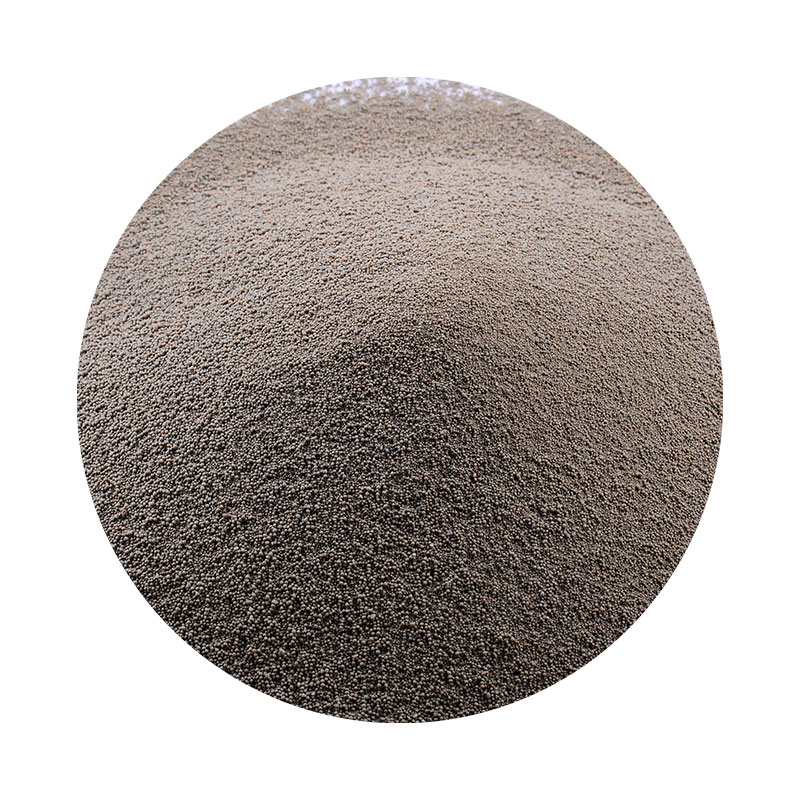
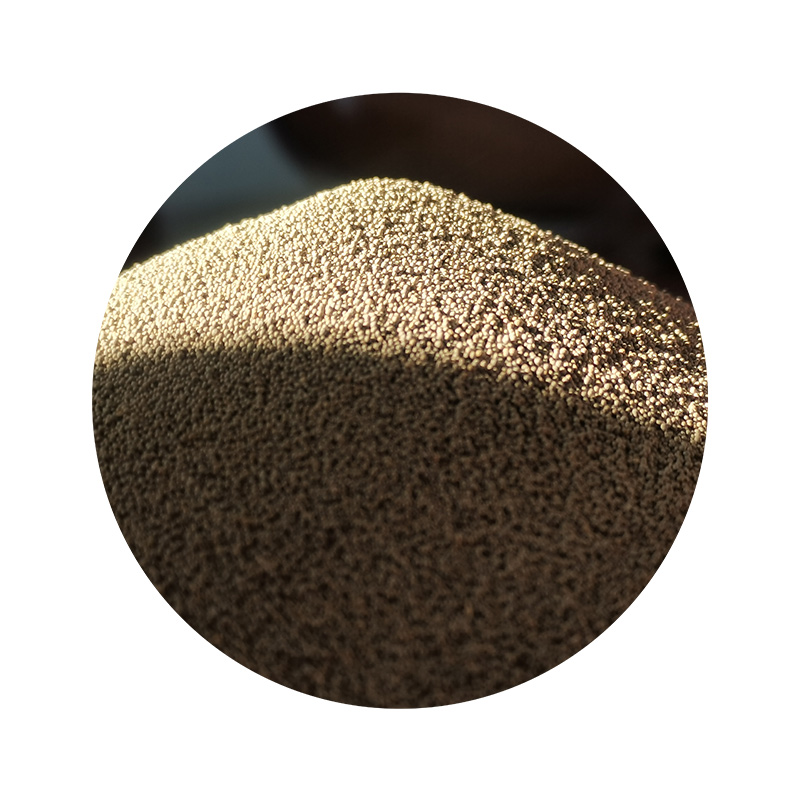
Sintered ceramic sand is engineered to solve the inherent limitations of natural sands. Unlike angular silica grains, the spherical shape of sintered ceramic sand allows for easier separation from cast parts and improved collapsibility. This physical characteristic is vital for reducing the mechanical stress on the casting during cooling, which directly translates to lower scrap rates and higher dimensional accuracy.
From a chemical perspective, the composition—primarily Al₂O₃ (≥53%) and SiO₂ (≤37%)—provides a refractoriness of ≥1800℃. This allows the material to withstand the extreme temperatures of molten steel and iron without fusing to the mold. Furthermore, its low thermal expansion coefficient (4.5-6.5x10⁻⁶/k) ensures that the mold remains stable, preventing the cracks and distortions often seen with higher-expansion materials.
- Spherical Morphology: Reduces friction and improves flowability during mold filling.
- High Thermal Stability: Maintains structural integrity at temperatures exceeding 1800℃.
- Environmental Safety: Provides a non-toxic alternative to silica sand, eliminating silicosis risks.
- Reduced Binder Use: The optimized surface area allows for a significant decrease in required resin binders.

Critical Application Scenarios for Various Casting Alloys
The versatility of sintered ceramic sand makes it applicable across a wide spectrum of metallurgical processes. In the production of small steel and iron castings, where precision is paramount, the AFS 60 particle size is frequently utilized for shell molding and coated sand applications. Its ability to maintain tight tolerances ensures that complex geometries are captured accurately without the need for extensive post-cast machining.
For aluminum and copper alloys, the lower thermal conductivity of ceramic sand compared to chromite or zircon options provides better mold performance by controlling the cooling rate of the metal. This results in a more uniform grain structure within the casting and reduces the likelihood of internal voids or shrinkage defects. Because it can be used as a single sand or as a blend, it offers foundries the flexibility to tailor the mold's thermal properties to the specific alloy's freezing range.
The material is also highly effective in stainless steel casting, where its high purity and low Fe₂O₃ content (<4%) prevent chemical reactions between the mold and the molten metal, ensuring a clean surface finish and reducing the need for aggressive grinding or cleaning operations.
Procurement Strategies for Optimizing Foundry Operational Costs
When evaluating where to buy foundry sand, procurement managers should look beyond the initial price per ton and analyze the Total Cost of Ownership (TCO). Sintered ceramic sand offers substantial price savings compared to expensive alternatives like Zircon, Chromite, or Naigai Cerabeads, while providing similar or superior performance in many applications.
One of the most immediate cost reductions comes from the 30-50% reduction in resin requirements. Since the material's surface area and spherical shape optimize binder distribution, less chemical agent is needed to achieve the required mold strength. Additionally, the extended work life of the sand means a lower replacement rate and reduced waste disposal costs, contributing to a more sustainable and green production environment.
Suppliers with integrated R&D capabilities, such as those collaborating with materials science universities, can provide customized particle size distributions. This tailoring is essential because a "one size fits all" approach often leads to inefficiency; adjusting the mesh distribution (from 20 to 270 mesh) allows the foundry to optimize permeability and surface smoothness based on the specific part size and complexity.
Technical Specification and Performance Comparison
| Technical Parameter | Sintered Ceramic Sand | Traditional Silica Sand | Zircon/Chromite Sand |
|---|---|---|---|
| Refractoriness | ≥1800℃ | Approx. 1600℃ | Very High |
| Grain Shape | Spherical | Angular | Sub-angular |
| Resin Requirement | 30-50% Lower | Standard | Standard/Higher |
| Thermal Expansion | Low (4.5-6.5x10⁻⁶/k) | High | Low |
| Health Risk | Safe (Non-silica) | Silicosis Risk | Low/Moderate |
Quality Assurance and Manufacturing Standards in Ceramic Sand Production
Consistency is the cornerstone of foundry success. A slight variation in grain size or chemical purity can lead to catastrophic mold failure or surface defects. Therefore, sourcing from a manufacturer that adheres to ISO9001 and ISO14001 standards is non-negotiable. These certifications ensure that every batch of sand undergoes a rigorous inspection process, from the raw mineral input to the final sintered product.
Advanced production lines, such as those capable of an annual output of 200,000 tons, provide the stability needed for large-scale industrial operations. The use of big data systems to track customer requirements allows for "traceable tailor-made services," where specific chemical compositions (like controlling TiO₂ to <3%) are maintained across multiple shipments. This level of precision prevents the "batch-to-batch" variability that often plagues smaller, less sophisticated suppliers.
Furthermore, the integration of independent intellectual property and national invention patents indicates a commitment to continuous improvement. In the ceramics industry, innovation in sintering temperature and cooling rates directly affects the angular coefficient (maintained at ≤1.1 for spherical grains), which is the primary driver of the material's superior collapsibility and separation properties.
Future Trends: Moving Toward Green and Intelligent Foundry Materials
The foundry industry is undergoing a significant shift toward "green production." The move away from silica sand is not merely a performance choice but an environmental and regulatory necessity. Sintered ceramic sand aligns perfectly with this trend by reducing the atmospheric release of hazardous dust and lowering the carbon footprint associated with resin production and sand disposal.
We are seeing an increasing demand for "smart sands"—materials engineered with specific mineralogical compositions (Mullite + Corundum) to meet the needs of 3D printed molds and advanced shell molding techniques. As the industry moves toward more complex, lightweight castings for the automotive and aerospace sectors, the requirement for sands with ultra-low thermal expansion and high precision will only grow.
For buyers, the strategy should shift from simple commodity purchasing to strategic partnerships. Working with a supplier that offers technical support and customized production ensures that as casting alloys evolve, the molding materials evolve with them. This collaborative approach reduces the risk of trial-and-error during new product launches and accelerates the time-to-market for high-precision components.
Frequently Asked Questions About Sintered Ceramic Foundry Sand
What is the main advantage of sintered ceramic sand over fused silica?
Sintered ceramic sand offers a more consistent spherical grain shape and a higher refractoriness (≥1800℃), which improves collapsibility and reduces the amount of resin binder needed by 30-50%, leading to lower production costs and better surface finishes.
Can sintered ceramic sand be used for all types of metal castings?
Yes, it is widely applicable to multiple alloys, including cast iron, cast steel, cast aluminum, cast copper, and stainless steel, making it a versatile substitute for zircon, chromite, and silica sands.
How does the spherical shape affect the casting process?
The spherical shape (Angular Coefficient ≤1.1) allows for easier separation of the sand from the cast part and improves the flowability of the sand, which reduces scrap rates and enhances the overall efficiency of the casting process.
Is this material environmentally friendly?
Yes, it is a safe alternative to silica sand, as it eliminates the risk of silicosis for foundry workers and supports green production goals through reduced chemical resin usage.
Can I customize the particle size distribution for my specific mold?
Absolutely. Sintered ceramic sand can be customized across a range of particle sizes from 45μm to 2000μm, including popular AFS 60 distributions for shell molding and coated sand applications.
What should I check when evaluating a supplier of foundry sand?
Check for ISO9001 and ISO14001 certifications, the supplier's annual production capacity to ensure stable supply, and their ability to provide technical support and traceable quality control data for each batch.
Technical References and Industry Standards
- ISO 9001 Quality Management Systems Standards
- American Foundry Society (AFS) Grain Size Standards
- Research on Refractory Ceramic Materials in Casting
- OSHA Guidelines on Crystalline Silica Safety
Optimizing your foundry's output requires a precise synergy between alloy chemistry and molding material performance. By switching to high-refractoriness sintered ceramic sand, you not only enhance the precision of your castings but also protect your workforce and reduce long-term operational overhead. Contact our technical team today to determine the ideal grain size and chemical composition for your specific casting requirements.
Explore Related Specialized Casting Materials