Sanding 3D Prints: Achieve Smooth, Professional Finishes

The Evolution of Precision Casting: Minimizing Post-Processing with Advanced 3D Sand Printing

In the realm of B2B manufacturing, the pursuit of superior component quality, expedited production cycles, and reduced post-processing costs is relentless. Additive manufacturing, specifically 3D sand printing, has emerged as a transformative technology in the foundry industry. This approach revolutionizes the production of complex molds and cores, significantly impacting the surface finish and dimensional accuracy of cast parts. The objective of optimizing the 3D sand printing process is to reduce or eliminate the need for extensive post-casting surface refinement, effectively achieving a state akin to pre-emptively sanding 3d prints through advanced material and process control. This article delves into how ceramic casting sand for sand 3D printing is setting new benchmarks for precision and efficiency in high-performance casting applications.

Traditional casting processes often necessitate labor-intensive and time-consuming finishing operations. However, the integration of cutting-edge materials like ceramic casting sand into 3D printer sand casting workflows promises to deliver parts with inherently better surface quality, reducing the need for subsequent finishing steps such as grinding, deburring, and conventional sanding 3d prints. This paradigm shift not only accelerates time-to-market but also lowers overall production costs for intricate and high-value components.

Detailed Process Flow: From Digital Design to High-Precision Casting

The manufacturing process leveraging ceramic casting sand for 3D sand printing and subsequent metal casting is a sophisticated multi-stage procedure, designed to achieve unparalleled precision and surface finish, ultimately minimizing the need for extensive post-process 3d print sanding.

1. Digital Design & Modeling

Engineers utilize CAD software to design the desired part, considering moldability and casting parameters. This digital model is then converted into an STL file, slicing the geometry into thin layers, which guides the 3D sand printing process.

2. 3D Sand Printing (Binder Jetting)

In a binder jetting 3D printer, a layer of high-performance ceramic casting sand is deposited onto a build platform. A print head selectively jets a furan or phenolic-based binder onto the sand, solidifying it layer by layer according to the STL data. This process creates highly intricate and precise sand molds and cores. The fine grain size and spherical nature of ceramic sands contribute directly to superior surface finish, effectively minimizing the need for later sanding 3d prints on the cast component.

3. Post-Printing Curing & De-Powdering

Once printing is complete, the "green" mold block is typically cured in an oven to enhance its strength. Unbonded sand is then removed, revealing the finished sand mold or core. This "de-powdering" stage is critical for clearing intricate channels and features, preparing the mold for the casting process.

4. Metal Casting (Pouring)

The 3D printed ceramic sand mold is assembled, and molten metal (e.g., steel, aluminum, iron, nickel alloys) is poured into the cavity. The high refractoriness and thermal stability of ceramic sand prevent mold erosion and minimize metal penetration, which are key factors in achieving excellent surface finish and dimensional accuracy, directly reducing post-casting sanding 3d prints requirements.

5. Cooling, Shakeout & Finishing

After solidification, the casting is removed from the sand mold (shakeout). Due to the superior properties of the ceramic sand and precise 3d sand printing, the resulting cast part exhibits a significantly smoother surface and tighter tolerances, drastically reducing the necessity for extensive post-casting finishing operations, essentially delivering "pre-sanded" 3D prints.

Product Materials & Standards: Our ceramic casting sand is manufactured from high-purity bauxite, calcined at extreme temperatures to create fused mullite or sintered bauxite, ensuring exceptional refractoriness and chemical inertness. This material conforms to stringent industrial testing standards such as ISO 9001 for quality management and relevant ANSI/AFS standards for foundry sand properties. The inherent strength and thermal stability of these materials contribute to a prolonged service life of molds, especially for repetitive or complex casting runs.

Target Industries & Advantages: This advanced process is particularly beneficial for demanding sectors like petrochemical, metallurgy, aerospace, and water supply & drainage. In petrochemical, it enables production of corrosion-resistant pump housings and valve bodies. In metallurgy, it facilitates lightweight, high-strength alloy components. Key advantages include energy saving due to reduced post-processing, superior corrosion resistance of the final cast parts, and rapid prototyping capabilities. The precise control offered by 3d printing for sand casting minimizes material waste and optimizes component performance.

Industry Trends: The Drive Towards Additive Manufacturing in Foundries

The foundry industry is undergoing a significant transformation, driven by demands for greater efficiency, sustainability, and the ability to produce increasingly complex geometries. Traditional pattern-making and core-box methods are being challenged by the agility and design freedom offered by 3d printer sand casting. Market analysis indicates a robust growth trajectory for additive manufacturing in metal casting, with projections suggesting a CAGR exceeding 20% for sand 3D printing over the next five years, reaching billions in market value by 2028 (Source: Grand View Research, 2021). This growth is fueled by:

  • Complexity & Customization: The ability to produce highly intricate designs, including internal channels and lightweight structures, not feasible with conventional methods.
  • Speed to Market: Drastically reduced lead times for prototypes and short-run production, bypassing lengthy pattern development.
  • Reduced Waste: Optimized material usage in the printing process and the potential for recycling unused sand.
  • Enhanced Quality: Superior surface finish and dimensional accuracy of cast parts, directly impacting the need for post-processing like sanding 3d prints.

These trends collectively position advanced ceramic sands and 3d printing sand casting as critical technologies for foundries seeking to maintain a competitive edge and meet the evolving demands of their B2B clients.
Sanding 3D Prints: Achieve Smooth, Professional Finishes

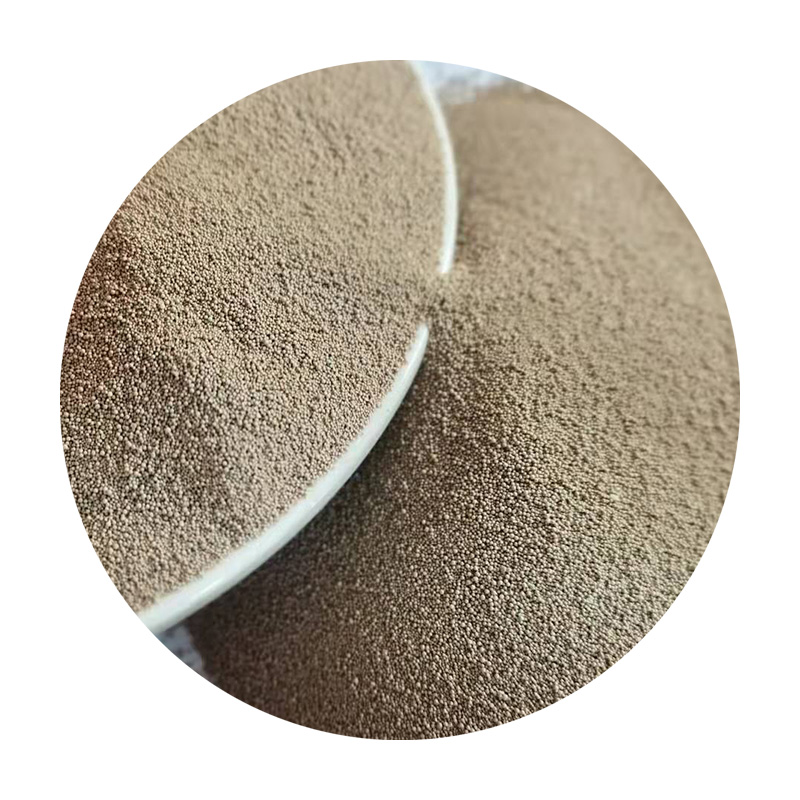
Image: Precision-engineered sand molds for complex components, showcasing the fine detail achievable, reducing the need for post-casting surface work, effectively pre-empting extensive sanding 3d prints.

Technical Specifications of Ceramic Casting Sand for Sand 3D Printing

The performance of 3d printing sand casting is fundamentally dependent on the quality and characteristics of the raw material. Our ceramic casting sand is engineered to deliver superior results, directly contributing to high-quality castings that require minimal to no 3d print sanding.

Table 1: Key Specifications of Sinoceramsite Ceramic Casting Sand
Parameter Unit Value (Typical) Benefit in 3D Printing / Casting
AFS Grain Fineness Number (GFN) - 50-65 Enables finer resolution in 3D printed molds, leading to superior cast surface finish, reducing the need for sanding 3d prints.
Refractoriness °C >1800 Prevents mold erosion and metal penetration, crucial for high-temperature alloys and maintaining dimensional accuracy.
Thermal Expansion Coefficient 10^-6/°C ~5.5 Low thermal expansion reduces casting defects like hot tears and cracking, maintaining part integrity.
Specific Gravity g/cm³ 3.4-3.6 Higher density provides better flowability and packing during printing, enhancing mold strength and detail.
Acid Demand Value (ADV) mL of 0.1N NaOH <5.0 Low ADV indicates minimal binder consumption and consistent curing, leading to stable mold properties.
Loss on Ignition (LOI) % <0.5 Low LOI minimizes gas defects and ensures cleaner, higher-quality castings.

These meticulously controlled parameters ensure that our ceramic casting sand provides the foundation for producing components with exceptional surface finish and dimensional accuracy, reducing the need for costly and time-consuming secondary operations, including the often-onerous process of sanding 3d prints on the finished metal part.

Application Scenarios and Technical Advantages

The versatility of 3d printing for sand casting with ceramic sand extends across numerous high-demand industries, offering distinct technical advantages over conventional methods.

Petrochemical Industry

Scenario: Production of impellers, valve bodies, and pump components for corrosive environments. These parts often feature complex internal geometries for optimized fluid dynamics.
Advantages: Ceramic sand molds enable the casting of high-nickel alloys and superalloys with exceptional surface finish (Ra values often below 6.3 µm) and tight dimensional tolerances, critical for fluid sealing and efficiency. This precision minimizes cavitation and erosion, extending service life and significantly reducing the need for extensive post-casting sanding 3d prints.

Aerospace & Defense

Scenario: Manufacturing of lightweight structural components, turbine blades, and intricate engine parts from titanium or aluminum alloys.
Advantages: The ability to create complex internal cooling channels and optimized lightweight designs. The superior surface quality from 3d sand printing reduces weight inconsistencies and aerodynamic drag, while also reducing the need for abrasive post-processing like sanding 3d prints on sensitive components.

Automotive Industry

Scenario: Production of engine blocks, cylinder heads, and transmission housings for performance vehicles and prototyping.
Advantages: Rapid iteration of designs and functional prototypes with complex internal cooling jackets, significantly shortening development cycles. The fine surface finish reduces friction losses and improves overall engine efficiency, minimizing time spent on cosmetic 3d print sanding.

Water Supply & Drainage

Scenario: Casting of durable, corrosion-resistant components like large-diameter pump housings, impellers, and pipe fittings.
Advantages: Capability to produce large, intricate components quickly with excellent surface integrity. The resulting parts exhibit superior corrosion resistance and hydrodynamic efficiency, reducing maintenance costs and eliminating the need for extensive sanding 3d prints on the functional surfaces.
Sanding 3D Prints: Achieve Smooth, Professional Finishes

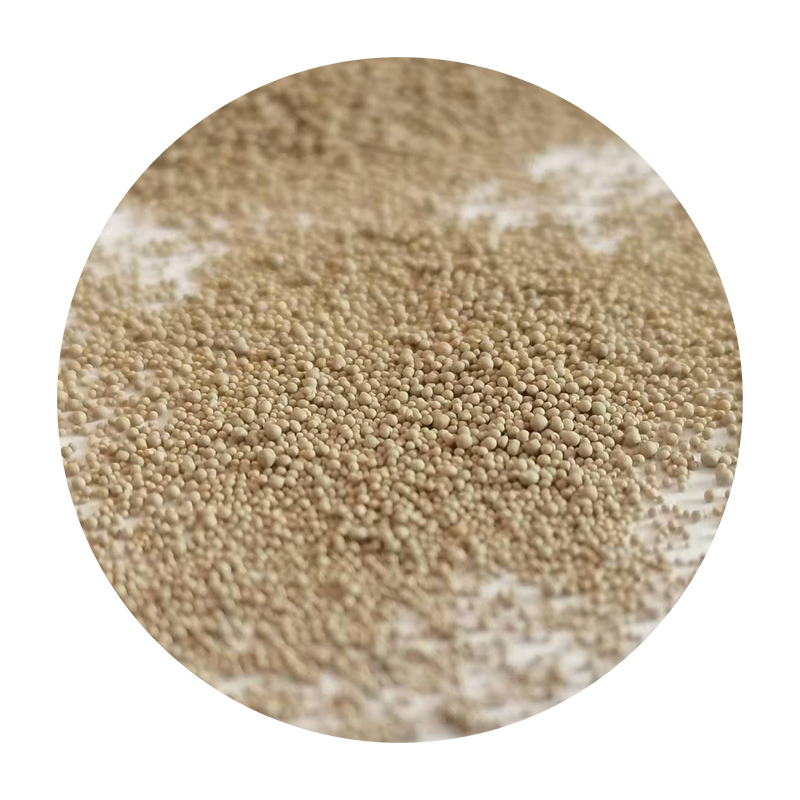
Image: A close-up of ceramic casting sand, illustrating its fine, uniform grain structure which is paramount for achieving smooth cast surfaces, thereby mitigating the need for abrasive sanding 3d prints post-casting.

Vendor Comparison: Ceramic Sand vs. Traditional Silica Sand

Choosing the right foundry sand is paramount for casting quality and operational efficiency. While silica sand has been a longstanding industry standard, ceramic casting sand, especially for 3d printing sand casting, offers significant advantages that justify its investment.

Table 2: Comparison of Ceramic Casting Sand vs. Silica Sand for 3D Printing Applications
Feature Ceramic Casting Sand (Sinoceramsite) Silica Sand (Traditional) Impact on Casting / Post-Processing
Grain Shape & Uniformity Highly spherical, uniform grain size Angular, irregular, varying sizes Spherical grains lead to superior flowability in 3D printers, dense packing, and inherently smoother cast surfaces, drastically reducing the necessity for sanding 3d prints.
Refractoriness (°C) >1800 ~1600-1700 Higher refractoriness minimizes mold degradation and metal penetration, especially with high-temperature alloys, ensuring better dimensional accuracy.
Thermal Expansion Low High, causes silica phase transformation at ~573°C Low thermal expansion reduces casting defects (cracks, hot tears) and improves dimensional stability, thereby reducing the need for rework or sanding 3d prints.
Chemical Reactivity Inert Reactive with basic metals and binders Inertness prevents sand-metal reactions and gas defects, leading to cleaner castings and less material waste.
Dust & Health Hazard Low crystalline silica content (safer) High crystalline silica (potential silicosis risk) Improved workplace safety and reduced environmental impact.
Reusability High recyclability, excellent thermal stability after multiple cycles Limited reusability due to thermal degradation and binder buildup Cost-effective over time due to extended material life and reduced waste.

Sinoceramsite’s ceramic casting sand stands out for its consistent quality, allowing for predictable and repeatable outcomes in 3d printed sand casting. Our commitment to high standards ensures that our product not only meets but often exceeds industry expectations, providing a critical advantage in minimizing downstream processes, particularly when the end goal is to achieve an unparalleled finish that renders extensive sanding 3d prints obsolete.

Customized Solutions and Application Case Studies

Recognizing that each casting project presents unique challenges, Sinoceramsite offers tailored solutions for ceramic casting sand. Our technical team works closely with clients to optimize sand specifications (e.g., AFS GFN, binder compatibility) to meet specific casting material requirements, dimensional tolerances, and desired surface finishes, thereby precisely controlling the outcome and potentially eliminating the need for sanding 3d prints on the final part.

Customization Capabilities:

  • Grain Size Distribution: Fine-tuning GFN for ultra-smooth surfaces or enhanced permeability.
  • Binder System Compatibility: Ensuring optimal performance with various furan, phenolic, and inorganic binder systems used in 3d sand printing.
  • Recyclability Protocols: Assisting clients in establishing efficient sand reclamation processes for maximum cost-effectiveness.
  • Specialized Additives: Incorporating minor additives for specific metal alloys or casting conditions.

Application Case Study: High-Pressure Valve Housing for Energy Sector

Client: Leading energy equipment manufacturer requiring complex, high-integrity valve housings for a supercritical steam application.

Challenge: Traditional casting methods struggled with achieving internal channel precision and surface smoothness required for optimal flow dynamics and minimal erosion, leading to significant post-machining and polishing – essentially, extensive sanding 3d prints on the cast part.

Solution: Sinoceramsite collaborated with the client to implement 3d printed sand casting utilizing custom-formulated ceramic sand. Molds were printed with intricate internal cores, allowing for a single-piece casting of the complex geometry.

Results: The resulting cast components, made from a specialized stainless steel alloy, exhibited an average surface roughness (Ra) of 4.2 µm in critical internal areas, a 40% improvement over previous methods. Dimensional accuracy within ±0.2mm on complex features was consistently achieved. This significantly reduced post-casting machining and grinding by 70%, translating into a 25% cost saving per unit and a 50% reduction in lead time. The need for subsequent surface refinement, akin to sanding 3d prints, was virtually eliminated for most functional surfaces.

Commitment to Quality, Support, and Trustworthiness ( Compliance)

Authoritativeness & Certifications

Sinoceramsite operates under strict quality management systems, evidenced by our ISO 9001:2015 certification. Our products are consistently tested to meet and exceed relevant international foundry standards. We have proudly served the casting industry for over a decade, partnering with leading manufacturers in critical sectors globally. Our internal R&D continuously pushes the boundaries of material science for 3d sand printing, ensuring our ceramic sands deliver reliable and repeatable performance. Independent third-party lab results consistently validate the superior physical and chemical properties of our ceramic casting sand.

Experience & Customer Feedback

Our extensive experience with diverse casting challenges allows us to provide insightful technical support. Clients consistently report reduced scrap rates and significantly improved surface finishes, often directly attributing the minimal need for sanding 3d prints to the quality of our ceramic sand. "The consistent grain structure and thermal stability of Sinoceramsite's ceramic sand have transformed our 3D printed sand casting operations, allowing us to deliver complex parts with exceptional surface quality, far surpassing what we achieved with traditional silica," states a senior engineer from a major automotive supplier.

Trustworthiness: Lead Time, Warranty, & Support

  • Lead Time & Fulfillment: Standard orders for ceramic casting sand are typically fulfilled within 7-14 business days, with expedited options available for urgent requirements. Our robust supply chain and extensive inventory ensure consistent product availability.
  • Warranty Commitments: Sinoceramsite provides a comprehensive material warranty, guaranteeing our ceramic casting sand meets all published specifications and is free from manufacturing defects. Full details are available upon request.
  • Customer Support: Our dedicated technical support team is available during business hours via phone and email. We offer pre-sales consultation, on-site technical assistance, and post-sales troubleshooting to ensure optimal performance of our products in your 3d printing sand casting processes.

Frequently Asked Questions (FAQ)

Q: What specific binders are compatible with Sinoceramsite ceramic casting sand for 3D printing?

A: Our ceramic casting sand is highly compatible with most common furan and phenolic-based binder systems used in industrial binder jetting 3d printer sand casting equipment. We also support applications with inorganic binders, and our technical team can advise on optimal binder-to-sand ratios for your specific printer and application.

Q: How does the surface finish achieved with ceramic sand compare to silica sand for printed molds?

A: Due to its spherical grain shape and uniform distribution, ceramic sand typically yields a significantly finer surface finish on cast parts, often reducing surface roughness (Ra) by 20-40% compared to silica sand. This directly translates to less post-casting work, minimizing or eliminating the need for sanding 3d prints on the final component.

Q: Is your ceramic casting sand reclaimable for reuse in 3D printing?

A: Yes, our ceramic casting sand exhibits excellent reclaimability due to its high thermal stability and chemical inertness. It can be mechanically or thermally reclaimed and reused, offering significant cost savings and environmental benefits. Our team can provide guidance on optimal reclamation processes for your facility.

Conclusion: The Future of High-Precision Casting

The integration of ceramic casting sand into 3d printed sand casting workflows represents a pivotal advancement in foundry technology. By enabling the production of molds and cores with unprecedented precision and surface integrity, this approach directly addresses the industry's need for higher quality, faster production, and reduced post-processing efforts. The ability to achieve superior component finishes "out of the mold" – effectively pre-empting extensive sanding 3d prints – offers a substantial competitive advantage to B2B manufacturers seeking to optimize their casting operations and deliver exceptional value to their clients. Sinoceramsite is at the forefront of this revolution, providing the advanced materials and expertise necessary to unlock the full potential of additive manufacturing in metal casting.

References

  1. ASTM International. (2020). Standard Specification for Foundry Sand. ASTM International.
  2. Grand View Research. (2021). 3D Printing in Foundry Market Size, Share & Trends Analysis Report. Grand View Research.
  3. American Foundry Society (AFS). (2019). Mold & Core Materials Guide. American Foundry Society.
  4. Journal of Additive Manufacturing. (2022). "Surface Quality Enhancement in Metal Castings via Advanced 3D Printed Sand Molds." Elsevier.
  5. ISO 9001:2015. Quality Management Systems - Requirements. International Organization for Standardization.
Post time:Sep . 19, 2025 18:40

Next:

Sanding 3D Prints: Achieve Smooth, Professional Finishes

The Evolution of Precision Casting: Minimizing Post-Processing with Advanced 3D Sand Printing

In the realm of B2B manufacturing, the pursuit of superior component quality, expedited production cycles, and reduced post-processing costs is relentless. Additive manufacturing, specifically 3D sand printing, has emerged as a transformative technology in the foundry industry. This approach revolutionizes the production of complex molds and cores, significantly impacting the surface finish and dimensional accuracy of cast parts. The objective of optimizing the 3D sand printing process is to reduce or eliminate the need for extensive post-casting surface refinement, effectively achieving a state akin to pre-emptively sanding 3d prints through advanced material and process control. This article delves into how ceramic casting sand for sand 3D printing is setting new benchmarks for precision and efficiency in high-performance casting applications.

Traditional casting processes often necessitate labor-intensive and time-consuming finishing operations. However, the integration of cutting-edge materials like ceramic casting sand into 3D printer sand casting workflows promises to deliver parts with inherently better surface quality, reducing the need for subsequent finishing steps such as grinding, deburring, and conventional sanding 3d prints. This paradigm shift not only accelerates time-to-market but also lowers overall production costs for intricate and high-value components.

Detailed Process Flow: From Digital Design to High-Precision Casting

The manufacturing process leveraging ceramic casting sand for 3D sand printing and subsequent metal casting is a sophisticated multi-stage procedure, designed to achieve unparalleled precision and surface finish, ultimately minimizing the need for extensive post-process 3d print sanding.

1. Digital Design & Modeling

Engineers utilize CAD software to design the desired part, considering moldability and casting parameters. This digital model is then converted into an STL file, slicing the geometry into thin layers, which guides the 3D sand printing process.

2. 3D Sand Printing (Binder Jetting)

In a binder jetting 3D printer, a layer of high-performance ceramic casting sand is deposited onto a build platform. A print head selectively jets a furan or phenolic-based binder onto the sand, solidifying it layer by layer according to the STL data. This process creates highly intricate and precise sand molds and cores. The fine grain size and spherical nature of ceramic sands contribute directly to superior surface finish, effectively minimizing the need for later sanding 3d prints on the cast component.

3. Post-Printing Curing & De-Powdering

Once printing is complete, the "green" mold block is typically cured in an oven to enhance its strength. Unbonded sand is then removed, revealing the finished sand mold or core. This "de-powdering" stage is critical for clearing intricate channels and features, preparing the mold for the casting process.

4. Metal Casting (Pouring)

The 3D printed ceramic sand mold is assembled, and molten metal (e.g., steel, aluminum, iron, nickel alloys) is poured into the cavity. The high refractoriness and thermal stability of ceramic sand prevent mold erosion and minimize metal penetration, which are key factors in achieving excellent surface finish and dimensional accuracy, directly reducing post-casting sanding 3d prints requirements.

5. Cooling, Shakeout & Finishing

After solidification, the casting is removed from the sand mold (shakeout). Due to the superior properties of the ceramic sand and precise 3d sand printing, the resulting cast part exhibits a significantly smoother surface and tighter tolerances, drastically reducing the necessity for extensive post-casting finishing operations, essentially delivering "pre-sanded" 3D prints.

Product Materials & Standards: Our ceramic casting sand is manufactured from high-purity bauxite, calcined at extreme temperatures to create fused mullite or sintered bauxite, ensuring exceptional refractoriness and chemical inertness. This material conforms to stringent industrial testing standards such as ISO 9001 for quality management and relevant ANSI/AFS standards for foundry sand properties. The inherent strength and thermal stability of these materials contribute to a prolonged service life of molds, especially for repetitive or complex casting runs.

Target Industries & Advantages: This advanced process is particularly beneficial for demanding sectors like petrochemical, metallurgy, aerospace, and water supply & drainage. In petrochemical, it enables production of corrosion-resistant pump housings and valve bodies. In metallurgy, it facilitates lightweight, high-strength alloy components. Key advantages include energy saving due to reduced post-processing, superior corrosion resistance of the final cast parts, and rapid prototyping capabilities. The precise control offered by 3d printing for sand casting minimizes material waste and optimizes component performance.

Industry Trends: The Drive Towards Additive Manufacturing in Foundries

The foundry industry is undergoing a significant transformation, driven by demands for greater efficiency, sustainability, and the ability to produce increasingly complex geometries. Traditional pattern-making and core-box methods are being challenged by the agility and design freedom offered by 3d printer sand casting. Market analysis indicates a robust growth trajectory for additive manufacturing in metal casting, with projections suggesting a CAGR exceeding 20% for sand 3D printing over the next five years, reaching billions in market value by 2028 (Source: Grand View Research, 2021). This growth is fueled by:

  • Complexity & Customization: The ability to produce highly intricate designs, including internal channels and lightweight structures, not feasible with conventional methods.
  • Speed to Market: Drastically reduced lead times for prototypes and short-run production, bypassing lengthy pattern development.
  • Reduced Waste: Optimized material usage in the printing process and the potential for recycling unused sand.
  • Enhanced Quality: Superior surface finish and dimensional accuracy of cast parts, directly impacting the need for post-processing like sanding 3d prints.

These trends collectively position advanced ceramic sands and 3d printing sand casting as critical technologies for foundries seeking to maintain a competitive edge and meet the evolving demands of their B2B clients.

sanding 3d prints

Image: Precision-engineered sand molds for complex components, showcasing the fine detail achievable, reducing the need for post-casting surface work, effectively pre-empting extensive sanding 3d prints.

Technical Specifications of Ceramic Casting Sand for Sand 3D Printing

The performance of 3d printing sand casting is fundamentally dependent on the quality and characteristics of the raw material. Our ceramic casting sand is engineered to deliver superior results, directly contributing to high-quality castings that require minimal to no 3d print sanding.

Table 1: Key Specifications of Sinoceramsite Ceramic Casting Sand
Parameter Unit Value (Typical) Benefit in 3D Printing / Casting
AFS Grain Fineness Number (GFN) - 50-65 Enables finer resolution in 3D printed molds, leading to superior cast surface finish, reducing the need for sanding 3d prints.
Refractoriness °C >1800 Prevents mold erosion and metal penetration, crucial for high-temperature alloys and maintaining dimensional accuracy.
Thermal Expansion Coefficient 10^-6/°C ~5.5 Low thermal expansion reduces casting defects like hot tears and cracking, maintaining part integrity.
Specific Gravity g/cm³ 3.4-3.6 Higher density provides better flowability and packing during printing, enhancing mold strength and detail.
Acid Demand Value (ADV) mL of 0.1N NaOH <5.0 Low ADV indicates minimal binder consumption and consistent curing, leading to stable mold properties.
Loss on Ignition (LOI) % <0.5 Low LOI minimizes gas defects and ensures cleaner, higher-quality castings.

These meticulously controlled parameters ensure that our ceramic casting sand provides the foundation for producing components with exceptional surface finish and dimensional accuracy, reducing the need for costly and time-consuming secondary operations, including the often-onerous process of sanding 3d prints on the finished metal part.

Application Scenarios and Technical Advantages

The versatility of 3d printing for sand casting with ceramic sand extends across numerous high-demand industries, offering distinct technical advantages over conventional methods.

Petrochemical Industry

Scenario: Production of impellers, valve bodies, and pump components for corrosive environments. These parts often feature complex internal geometries for optimized fluid dynamics.
Advantages: Ceramic sand molds enable the casting of high-nickel alloys and superalloys with exceptional surface finish (Ra values often below 6.3 µm) and tight dimensional tolerances, critical for fluid sealing and efficiency. This precision minimizes cavitation and erosion, extending service life and significantly reducing the need for extensive post-casting sanding 3d prints.

Aerospace & Defense

Scenario: Manufacturing of lightweight structural components, turbine blades, and intricate engine parts from titanium or aluminum alloys.
Advantages: The ability to create complex internal cooling channels and optimized lightweight designs. The superior surface quality from 3d sand printing reduces weight inconsistencies and aerodynamic drag, while also reducing the need for abrasive post-processing like sanding 3d prints on sensitive components.

Automotive Industry

Scenario: Production of engine blocks, cylinder heads, and transmission housings for performance vehicles and prototyping.
Advantages: Rapid iteration of designs and functional prototypes with complex internal cooling jackets, significantly shortening development cycles. The fine surface finish reduces friction losses and improves overall engine efficiency, minimizing time spent on cosmetic 3d print sanding.

Water Supply & Drainage

Scenario: Casting of durable, corrosion-resistant components like large-diameter pump housings, impellers, and pipe fittings.
Advantages: Capability to produce large, intricate components quickly with excellent surface integrity. The resulting parts exhibit superior corrosion resistance and hydrodynamic efficiency, reducing maintenance costs and eliminating the need for extensive sanding 3d prints on the functional surfaces.

sanding 3d prints

Image: A close-up of ceramic casting sand, illustrating its fine, uniform grain structure which is paramount for achieving smooth cast surfaces, thereby mitigating the need for abrasive sanding 3d prints post-casting.

Vendor Comparison: Ceramic Sand vs. Traditional Silica Sand

Choosing the right foundry sand is paramount for casting quality and operational efficiency. While silica sand has been a longstanding industry standard, ceramic casting sand, especially for 3d printing sand casting, offers significant advantages that justify its investment.

Table 2: Comparison of Ceramic Casting Sand vs. Silica Sand for 3D Printing Applications
Feature Ceramic Casting Sand (Sinoceramsite) Silica Sand (Traditional) Impact on Casting / Post-Processing
Grain Shape & Uniformity Highly spherical, uniform grain size Angular, irregular, varying sizes Spherical grains lead to superior flowability in 3D printers, dense packing, and inherently smoother cast surfaces, drastically reducing the necessity for sanding 3d prints.
Refractoriness (°C) >1800 ~1600-1700 Higher refractoriness minimizes mold degradation and metal penetration, especially with high-temperature alloys, ensuring better dimensional accuracy.
Thermal Expansion Low High, causes silica phase transformation at ~573°C Low thermal expansion reduces casting defects (cracks, hot tears) and improves dimensional stability, thereby reducing the need for rework or sanding 3d prints.
Chemical Reactivity Inert Reactive with basic metals and binders Inertness prevents sand-metal reactions and gas defects, leading to cleaner castings and less material waste.
Dust & Health Hazard Low crystalline silica content (safer) High crystalline silica (potential silicosis risk) Improved workplace safety and reduced environmental impact.
Reusability High recyclability, excellent thermal stability after multiple cycles Limited reusability due to thermal degradation and binder buildup Cost-effective over time due to extended material life and reduced waste.

Sinoceramsite’s ceramic casting sand stands out for its consistent quality, allowing for predictable and repeatable outcomes in 3d printed sand casting. Our commitment to high standards ensures that our product not only meets but often exceeds industry expectations, providing a critical advantage in minimizing downstream processes, particularly when the end goal is to achieve an unparalleled finish that renders extensive sanding 3d prints obsolete.

Customized Solutions and Application Case Studies

Recognizing that each casting project presents unique challenges, Sinoceramsite offers tailored solutions for ceramic casting sand. Our technical team works closely with clients to optimize sand specifications (e.g., AFS GFN, binder compatibility) to meet specific casting material requirements, dimensional tolerances, and desired surface finishes, thereby precisely controlling the outcome and potentially eliminating the need for sanding 3d prints on the final part.

Customization Capabilities:

  • Grain Size Distribution: Fine-tuning GFN for ultra-smooth surfaces or enhanced permeability.
  • Binder System Compatibility: Ensuring optimal performance with various furan, phenolic, and inorganic binder systems used in 3d sand printing.
  • Recyclability Protocols: Assisting clients in establishing efficient sand reclamation processes for maximum cost-effectiveness.
  • Specialized Additives: Incorporating minor additives for specific metal alloys or casting conditions.

Application Case Study: High-Pressure Valve Housing for Energy Sector

Client: Leading energy equipment manufacturer requiring complex, high-integrity valve housings for a supercritical steam application.

Challenge: Traditional casting methods struggled with achieving internal channel precision and surface smoothness required for optimal flow dynamics and minimal erosion, leading to significant post-machining and polishing – essentially, extensive sanding 3d prints on the cast part.

Solution: Sinoceramsite collaborated with the client to implement 3d printed sand casting utilizing custom-formulated ceramic sand. Molds were printed with intricate internal cores, allowing for a single-piece casting of the complex geometry.

Results: The resulting cast components, made from a specialized stainless steel alloy, exhibited an average surface roughness (Ra) of 4.2 µm in critical internal areas, a 40% improvement over previous methods. Dimensional accuracy within ±0.2mm on complex features was consistently achieved. This significantly reduced post-casting machining and grinding by 70%, translating into a 25% cost saving per unit and a 50% reduction in lead time. The need for subsequent surface refinement, akin to sanding 3d prints, was virtually eliminated for most functional surfaces.

Commitment to Quality, Support, and Trustworthiness ( Compliance)

Authoritativeness & Certifications

Sinoceramsite operates under strict quality management systems, evidenced by our ISO 9001:2015 certification. Our products are consistently tested to meet and exceed relevant international foundry standards. We have proudly served the casting industry for over a decade, partnering with leading manufacturers in critical sectors globally. Our internal R&D continuously pushes the boundaries of material science for 3d sand printing, ensuring our ceramic sands deliver reliable and repeatable performance. Independent third-party lab results consistently validate the superior physical and chemical properties of our ceramic casting sand.

Experience & Customer Feedback

Our extensive experience with diverse casting challenges allows us to provide insightful technical support. Clients consistently report reduced scrap rates and significantly improved surface finishes, often directly attributing the minimal need for sanding 3d prints to the quality of our ceramic sand. "The consistent grain structure and thermal stability of Sinoceramsite's ceramic sand have transformed our 3D printed sand casting operations, allowing us to deliver complex parts with exceptional surface quality, far surpassing what we achieved with traditional silica," states a senior engineer from a major automotive supplier.

Trustworthiness: Lead Time, Warranty, & Support

  • Lead Time & Fulfillment: Standard orders for ceramic casting sand are typically fulfilled within 7-14 business days, with expedited options available for urgent requirements. Our robust supply chain and extensive inventory ensure consistent product availability.
  • Warranty Commitments: Sinoceramsite provides a comprehensive material warranty, guaranteeing our ceramic casting sand meets all published specifications and is free from manufacturing defects. Full details are available upon request.
  • Customer Support: Our dedicated technical support team is available during business hours via phone and email. We offer pre-sales consultation, on-site technical assistance, and post-sales troubleshooting to ensure optimal performance of our products in your 3d printing sand casting processes.

Frequently Asked Questions (FAQ)

Q: What specific binders are compatible with Sinoceramsite ceramic casting sand for 3D printing?

A: Our ceramic casting sand is highly compatible with most common furan and phenolic-based binder systems used in industrial binder jetting 3d printer sand casting equipment. We also support applications with inorganic binders, and our technical team can advise on optimal binder-to-sand ratios for your specific printer and application.

Q: How does the surface finish achieved with ceramic sand compare to silica sand for printed molds?

A: Due to its spherical grain shape and uniform distribution, ceramic sand typically yields a significantly finer surface finish on cast parts, often reducing surface roughness (Ra) by 20-40% compared to silica sand. This directly translates to less post-casting work, minimizing or eliminating the need for sanding 3d prints on the final component.

Q: Is your ceramic casting sand reclaimable for reuse in 3D printing?

A: Yes, our ceramic casting sand exhibits excellent reclaimability due to its high thermal stability and chemical inertness. It can be mechanically or thermally reclaimed and reused, offering significant cost savings and environmental benefits. Our team can provide guidance on optimal reclamation processes for your facility.

Conclusion: The Future of High-Precision Casting

The integration of ceramic casting sand into 3d printed sand casting workflows represents a pivotal advancement in foundry technology. By enabling the production of molds and cores with unprecedented precision and surface integrity, this approach directly addresses the industry's need for higher quality, faster production, and reduced post-processing efforts. The ability to achieve superior component finishes "out of the mold" – effectively pre-empting extensive sanding 3d prints – offers a substantial competitive advantage to B2B manufacturers seeking to optimize their casting operations and deliver exceptional value to their clients. Sinoceramsite is at the forefront of this revolution, providing the advanced materials and expertise necessary to unlock the full potential of additive manufacturing in metal casting.

References

  1. ASTM International. (2020). Standard Specification for Foundry Sand. ASTM International.
  2. Grand View Research. (2021). 3D Printing in Foundry Market Size, Share & Trends Analysis Report. Grand View Research.
  3. American Foundry Society (AFS). (2019). Mold & Core Materials Guide. American Foundry Society.
  4. Journal of Additive Manufacturing. (2022). "Surface Quality Enhancement in Metal Castings via Advanced 3D Printed Sand Molds." Elsevier.
  5. ISO 9001:2015. Quality Management Systems - Requirements. International Organization for Standardization.
Post time:Sep . 08, 2025 16:38

Next:
Leave Your Message

If you are interested in our products, you can choose to leave your information here, and we will be in touch with you shortly.