
Foundry Sand in Concrete: Enhancing Performance and Sustainability
The use of foundry sand in concrete is gaining prominence as a sustainable and cost-effective practice in the construction industry. Traditionally discarded as waste from metal casting processes, foundry sand presents a valuable alternative to conventional concrete materials. This article delves into the benefits, applications, potential drawbacks, and the future outlook of incorporating foundry sand into concrete mixtures. We’ll explore how this innovative approach contributes to circular economy principles and improved concrete performance.
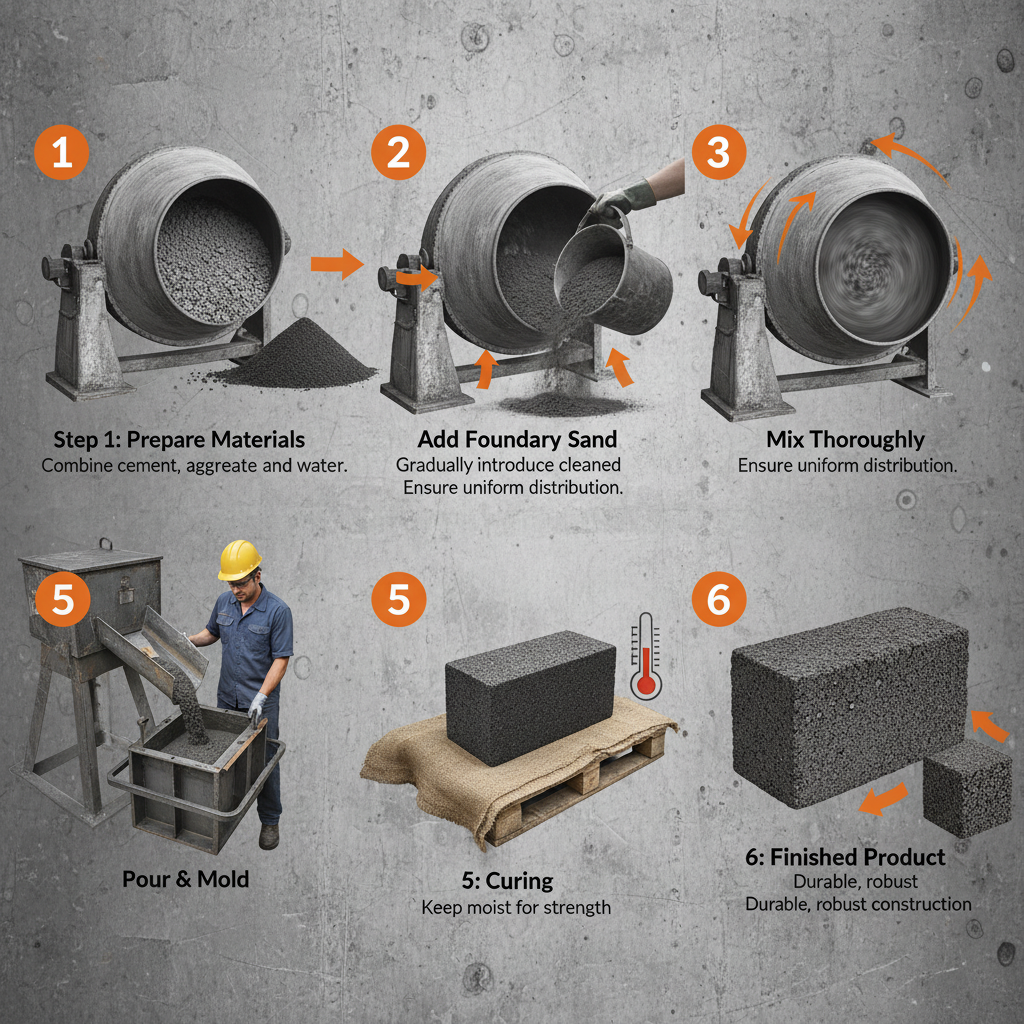
What is Foundry Sand and Why Use it in Concrete?
Foundry sand is a by-product of the metal casting industry, created during the production of metal parts. It’s primarily composed of silica sand, bonded with clay and other materials. Traditionally, this sand was sent to landfills. However, it possesses excellent physical properties – like high strength, uniform grain size distribution, and low organic content – that make it a suitable replacement for natural sand in concrete. Using foundry sand in concrete diverts waste from landfills, reduces the demand for natural resources, and can even enhance concrete’s properties. Sinoceramsite provides high-quality processed foundry sand for concrete applications.
Key Benefits: Reduces landfill waste, lowers material costs, enhances concrete strength, promotes sustainability, and reduces the environmental impact of concrete production.
The Impact of Foundry Sand on Concrete Properties
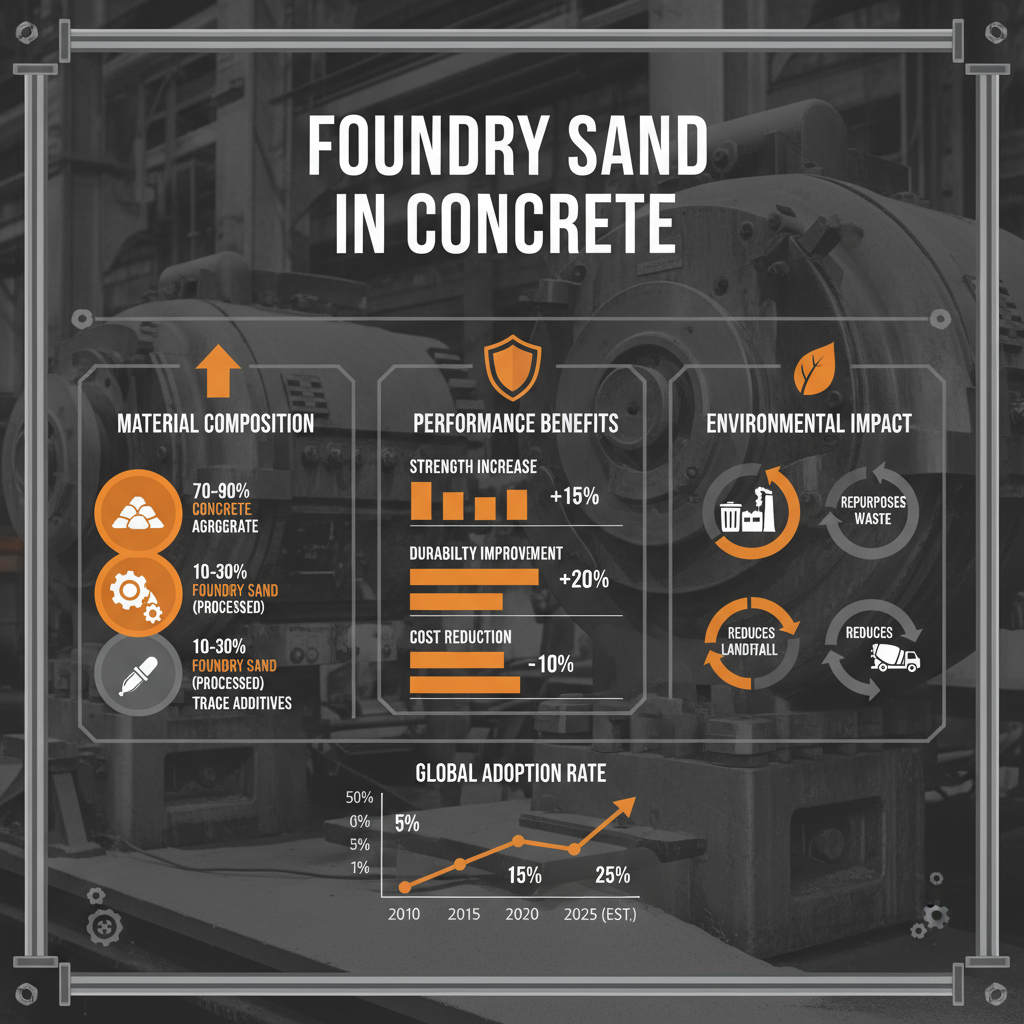
Incorporating foundry sand into concrete mixtures can significantly affect its properties. Studies have shown that foundry sand can improve workability, increase compressive strength, and reduce permeability. The angular shape of foundry sand particles leads to better interlocking, contributing to higher strength. Furthermore, its low organic content minimizes water demand, leading to a denser and more durable concrete matrix. However, the type of foundry sand and its pre-treatment are crucial factors in determining the final concrete characteristics.
Key Property Improvements:
• Increased compressive strength
• Improved workability
• Reduced permeability
• Lower water demand
Foundry Sand vs. Natural Sand in Concrete: A Detailed Comparison
While both foundry sand and natural sand are used as fine aggregates in concrete, they exhibit distinct characteristics. Natural sand often contains impurities and varying particle sizes, which can impact concrete consistency. Foundry sand, on the other hand, is more consistent in grain size and typically cleaner, leading to more predictable concrete behavior. However, the angularity of foundry sand particles can sometimes reduce workability, requiring the addition of water-reducing admixtures. The cost-effectiveness of using foundry sand as a replacement for natural sand is becoming increasingly attractive as environmental regulations tighten and natural resource depletion continues.
Applications of Foundry Sand Concrete
Foundry sand concrete is suitable for a wide range of applications, including road construction, pavement rehabilitation, building foundations, and precast concrete products. Its enhanced strength and durability make it an excellent choice for projects requiring high performance and longevity. The use of foundry sand is becoming particularly popular in sustainable building initiatives aiming to minimize environmental impact. Sinoceramsite offers tailored foundry sand solutions for various concrete application needs.
Potential Challenges and Mitigation Strategies
While offering numerous benefits, using foundry sand in concrete also presents some challenges. One concern is the potential presence of heavy metals or other contaminants. Proper pre-treatment and quality control measures are essential to mitigate this risk. Another challenge is the angular shape of the sand particles, which can sometimes reduce workability. Adding water-reducing admixtures can effectively address this issue. Thorough testing and adherence to relevant standards are crucial for ensuring the safety and performance of foundry sand concrete.
Conclusion: A Sustainable Future with Foundry Sand Concrete
The use of foundry sand in concrete represents a significant step towards a more sustainable and circular construction industry. By diverting waste from landfills, reducing the demand for natural resources, and enhancing concrete performance, this innovative practice offers compelling benefits for both the environment and the economy. Continued research, development, and standardization will further unlock the full potential of foundry sand concrete.
Frequently Asked Questions (FAQs)
What pre-treatment is required for foundry sand before using it in concrete?
Foundry sand often requires pre-treatment to remove any binding agents, organic matter, or contaminants. This typically involves screening, washing, and sometimes thermal treatment. The specific pre-treatment process depends on the type of foundry sand and the intended concrete application. Proper pre-treatment ensures the sand meets the required quality standards and doesn't negatively impact the concrete's performance. Sinoceramsite offers pre-treated foundry sand, ready for use in concrete mixtures.
Is foundry sand concrete suitable for all types of construction projects?
Foundry sand concrete is suitable for a wide range of applications, but it may not be ideal for all projects. It's particularly well-suited for non-structural applications, such as pavements, base layers, and fill materials. For structural concrete, careful consideration must be given to the sand's properties and the specific project requirements. Thorough testing and adherence to relevant standards are essential.
What are the environmental benefits of using foundry sand in concrete?
The environmental benefits are substantial. It diverts a significant amount of waste from landfills, conserving landfill space and reducing associated environmental impacts. It reduces the demand for natural sand, mitigating the environmental damage caused by sand mining. It also lowers the carbon footprint of concrete production by utilizing a readily available waste material.
How does the cost of foundry sand concrete compare to traditional concrete?
The cost can vary depending on the availability of foundry sand and transportation distances. However, in many cases, foundry sand concrete can be more cost-effective than traditional concrete due to the reduced cost of the aggregate material. The overall cost savings can be significant, especially for large-scale projects. Contact Sinoceramsite for a cost analysis tailored to your project.
Next:Comprehensive Guide to Foundry Molding Sand Selection and Applications