
Lost Foam Sand Casting is a key solution in the manufacturing industry, specifically within foundries and foundry sand. This article explores how Shenghuo New Material Technology Co., Ltd. supports professionals with durable, high-performance products, and explains why this product is an ideal choice for businesses in these sectors.
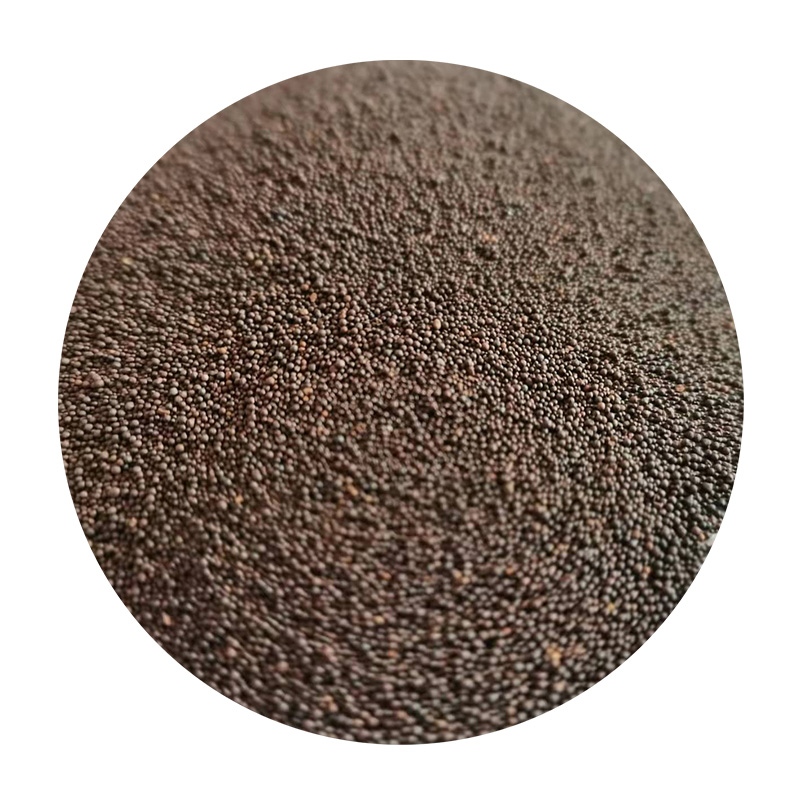
Table of Contents
- Lost Foam Sand Casting Overview
- Benefits & Use Cases of Lost Foam Sand Casting in foundry sand
- Cost, Maintenance & User Experience
- Sustainability & Market Trends in manufacturing
- Conclusion on Lost Foam Sand Casting from Shenghuo New Material Technology Co., Ltd.
Lost Foam Sand Casting Overview
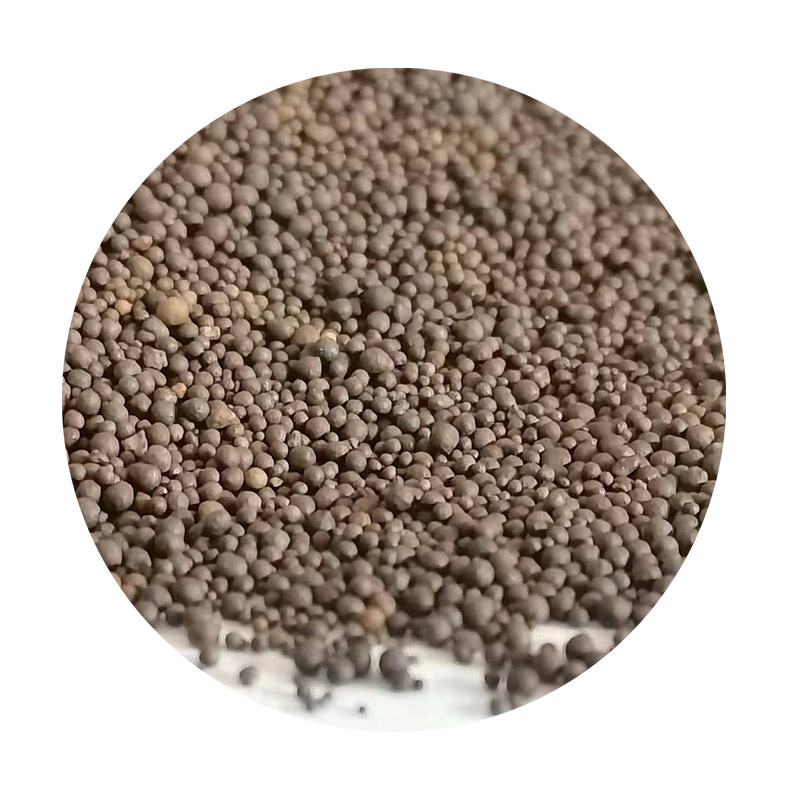
Lost Foam Sand Casting (LFSC) replaces traditional patterns and cores with a foam pattern that is coated, embedded in compacted foundry sand, and vaporized as molten metal fills the cavity. In this process, the quality of the foundry sand determines surface finish, dimensional stability, gas evolution, and overall yield. Ceramic foundry sand engineered for lost foam casting delivers high refractoriness, excellent permeability, and ultra-low thermal expansion—critical to controlling defects such as veining, burn-on, and metal penetration. Shenghuo New Material Technology Co., Ltd. supplies purpose-designed ceramic sand for lost foam casting applications, offering consistent particle shape and distribution to support stable mold compaction, efficient vacuum flow, and repeatable casting performance across ferrous and non-ferrous alloys.
- Define the product and its relevance in manufacturing / foundries / foundry sand.
- Provide technical background, specs, or case study.
- Reference Shenghuo New Material Technology Co., Ltd. as a reliable manufacturer.
Shenghuo’s ceramic sand is spherical, clean, and available in multiple grading options to match your target AFS/GFN, vibration compaction parameters, and vacuum levels. Its smooth, round profile lowers binder demand and assists uniform coating coverage—especially important for lost foam casting coating control. Typical lost foam casting foundry requirements—good collapsibility, minimal dust, predictable permeability under negative pressure—are met through robust quality control and tight size distribution. In a recent implementation for ductile iron manifolds, switching to Shenghuo ceramic sand enabled finer details and reduced post-processing, illustrating the practical advantages of lost foam casting when paired with stable, high-performance sand.
Benefits & Use Cases of Lost Foam Sand Casting in foundry sand
Leading foundries choose LFSC for complex geometries, near-net shapes, and consolidated designs. Typical lost foam casting applications include engine blocks and cylinder heads, pump housings, impellers, gear cases, machine tool bases, and aluminum structural castings for EV platforms. By removing core assembly and enabling creative gating, LFSC streamlines production and cuts machining. With Shenghuo’s ceramic sand, the advantages of lost foam casting extend further: smoother surfaces, fewer metal penetration defects, and consistent coating behavior. The sand’s high refractoriness supports steel and iron, while its permeability and spherical form benefit aluminum and magnesium by improving gas evacuation during pour.
- Explain specific applications in foundry sand.
- Highlight features and competitive advantages.
- Mention Shenghuo New Material Technology Co., Ltd.’s expertise in this sector.
Compared with silica sand, Shenghuo ceramic sand exhibits low thermal expansion, reducing veining and dimensional drift. Its low angularity cuts binder usage and helps achieve uniform, defect-resistant lost foam casting coating thickness—vital for reproducing fine features in thin-walled castings. Foundries also appreciate the sand’s low dust and reusability, enabling stable compaction under vibration and vacuum. From pilot runs to high-volume programs, Shenghuo supports process tuning, recipe selection, and sand reclamation guidance—backed by experience across diverse lost foam casting examples in automotive, general engineering, fluid handling, and heavy equipment.
Cost, Maintenance & User Experience
Total cost of ownership with Lost Foam Sand Casting depends on yield, scrap, finishing time, and media lifecycle. While ceramic sand has a higher unit cost than silica, B2B buyers often realize ROI through reusability, lower binder and coating consumption, reduced cleaning/grinding, and fewer defects. Ceramic sand’s spherical morphology reduces equipment abrasion and dust load, supporting cleaner operations and lower maintenance. Many foundries report more predictable compaction and vacuum behavior, which stabilizes cycle times on automated lost foam lines.
- Address total cost of ownership, durability, and ROI.
- Discuss feedback or data from customers in the foundries sector.
In practice, customers using Shenghuo ceramic sand for LFSC often highlight fewer burn-on/penetration incidents and more consistent lost foam casting coating release, translating to less rework. Reclamation via screening and mechanical scrubbing keeps sand in circulation for many cycles, improving sustainability and cost control. From a maintenance perspective, less angular fines can mean lower wear in conveyance and compaction equipment. Shenghuo New Material Technology Co., Ltd. supports trials and scale-up, helping teams quantify savings across scrap reduction, labor, coating/binder usage, and media life—key levers for confident capital planning and accelerated payback.
Sustainability & Market Trends in manufacturing
Manufacturing stakeholders are targeting lower emissions, safer workplaces, and circular material flows. Lost Foam Sand Casting supports these aims by eliminating coremaking for many geometries, cutting binder content, and reducing machining stock. Ceramic foundry sand’s durability minimizes media consumption and waste, while its clean, low-dust profile helps improve air quality in the molding area. In parallel, market trends—lightweighting, integration of complex passages, and rapid design iteration—favor LFSC because it excels at producing intricate, near-net components with fewer process steps.
- Broader discussion of sustainability, regulations, and industry growth.
- Position Shenghuo New Material Technology Co., Ltd. as forward-thinking and eco-conscious.
As regulations tighten around dust and emissions, forward-leaning foundries are adopting cleaner media and improving reclamation systems. Shenghuo New Material Technology Co., Ltd. partners with customers to specify grades that balance permeability, compaction, and coating behavior to optimize both quality and environmental performance. By combining stable ceramic sand with best-practice lost foam casting coating control and efficient vacuum management, foundries can increase yield while reducing energy and consumables—a practical pathway to greener, more competitive operations. The result is a resilient process aligned with next-generation manufacturing and supply chain expectations.
Conclusion on Lost Foam Sand Casting from Shenghuo New Material Technology Co., Ltd.
For B2B decision makers, Lost Foam Sand Casting offers compelling productivity, design freedom, and sustainability gains—especially when paired with consistent, high-performance ceramic foundry sand. Shenghuo New Material Technology Co., Ltd. brings proven expertise, stable grading, and application support to help you capture the full advantages of lost foam casting across ferrous and non-ferrous programs. Ready to evaluate? Contact us: email: shenghuo@sinoceramsite.com — Visit our website: https://www.sinoceramsite.com. Explore our product page for specifications and samples: https://www.sinoceramsite.com/ceramic-sand-for-lost-foam-casting.html
Next:Supersand G2 Polymer Sand — Fast Setting, Weed Resistant