Spherical Sand: Premium Ceramic Sanding & Finishing Solution

Introduction to Spherical Ceramic Sand for Advanced Foundry Applications

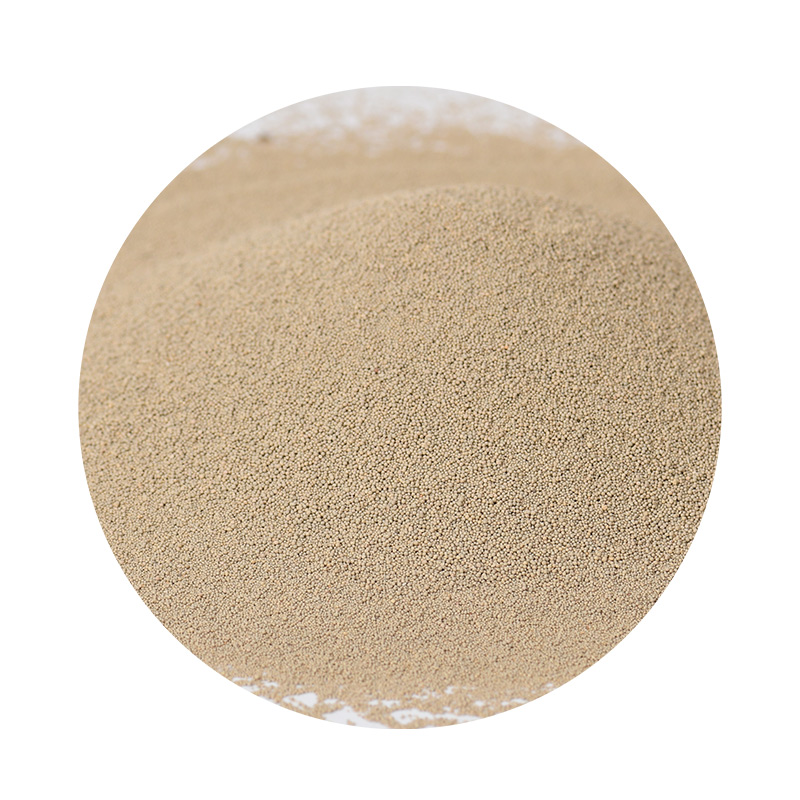
In the demanding landscape of modern foundry operations, the selection of premium refractory materials is paramount for achieving superior casting quality, optimizing production efficiency, and minimizing environmental impact. Among the innovative solutions gaining significant traction is spherical sand, particularly the advanced spherical ceramic sand engineered for precision casting. This material represents a critical advancement over traditional silica sand, offering a compelling combination of high refractoriness, exceptional thermal stability, and an ideal spherical grain shape. Its unique properties are instrumental in overcoming common foundry challenges such as veining, scabbing, and issues related to expansion defects, thereby enhancing the integrity and surface finish of complex metal castings.

Our focus here is on the specialized Spherical Ceramic Sand for Foundry, a product designed to meet the rigorous demands of various casting processes. This engineered material, often referred to as ceramic sand, is meticulously produced to ensure consistency and performance. Its application extends across diverse sectors, including automotive, aerospace, heavy machinery, and general industrial manufacturing, where high-quality, defect-free castings are non-negotiable. The inherent advantages of using this innovative material translate directly into improved operational cost-effectiveness and a stronger competitive edge for foundries worldwide.
Spherical Sand: Premium Ceramic Sanding & Finishing Solution

Industry Trends and Market Dynamics in Foundry Materials

The global foundry industry is undergoing a significant transformation, driven by escalating demands for higher precision, reduced casting defects, and enhanced environmental sustainability. Traditional silica sand, while cost-effective, often falls short in meeting these modern requirements, especially for high-alloy and intricate castings. This gap has propelled the demand for advanced foundry sands, with spherical sand, particularly ceramic variants, emerging as a front-runner. Market analysis indicates a steady growth in the adoption of high-performance refractory materials due to their ability to improve casting quality and reduce rework, a critical factor in competitive global markets. The push for lightweighting in automotive and aerospace industries also necessitates casting processes that deliver exceptional surface finish and dimensional accuracy, areas where engineered ceramic sand excels.

Key trends include a shift towards environmentally friendly solutions, minimizing hazardous waste, and improving workplace conditions. The inherent low thermal expansion and reduced dust generation of ceramic sand contribute significantly to these objectives. Furthermore, the increasing use of 3D printing in core and mold making (binder jetting, FDM with ceramic materials) is creating new avenues for specialized ceramic sand formulations that can handle higher binder loads and produce intricate geometries with superior integrity. Foundries are also keen on solutions that offer better reclamation rates, reducing consumption and disposal costs. The high durability and spherical shape of ceramic sand facilitate easier shakeout and higher reusability, aligning perfectly with sustainability goals.
Spherical Sand: Premium Ceramic Sanding & Finishing Solution

Manufacturing Process of Spherical Ceramic Sand

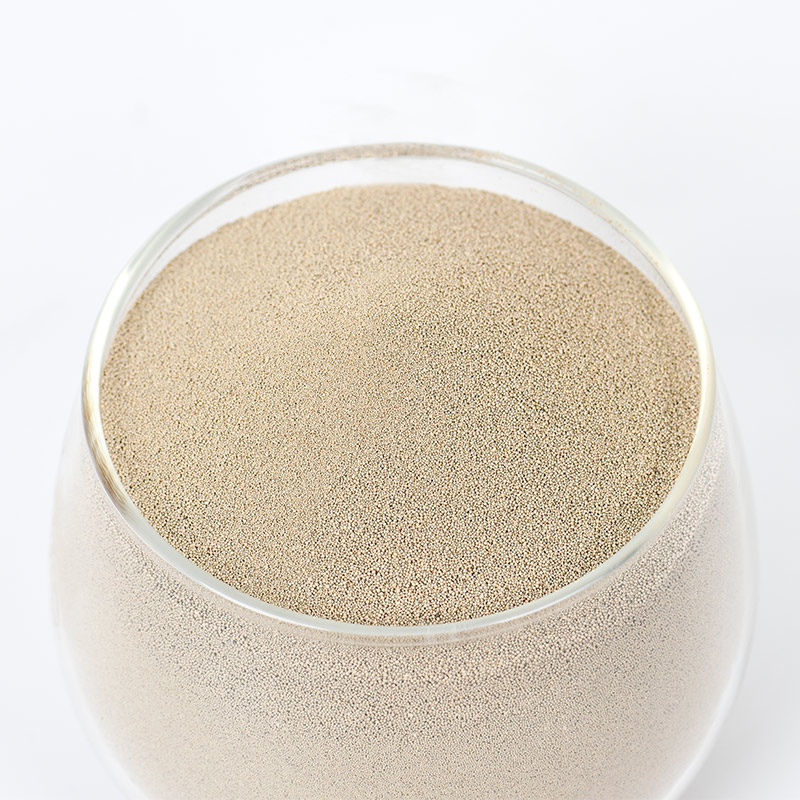
The production of high-quality spherical sand is a sophisticated process, meticulously controlled to achieve its distinctive properties. Unlike naturally occurring sands or crushed aggregates, ceramic sand is engineered, typically from bauxite, a naturally occurring aluminum ore. The manufacturing process involves several critical stages to ensure consistent spherical grain shape, controlled particle size distribution, and superior refractory characteristics.

Process Flow Overview:

  1. Raw Material Procurement and Preparation: High-grade bauxite ore is carefully selected, crushed, and milled into a fine powder. This pre-processing step ensures uniformity in chemical composition and particle size, which is crucial for subsequent stages.
  2. Slurry Formulation: The bauxite powder is mixed with water and specific additives to create a homogeneous slurry. The rheological properties of this slurry are tightly controlled to facilitate the formation of spherical particles.
  3. Spray Drying/Granulation: The slurry is then introduced into a spray dryer or a granulation system. In spray drying, the slurry is atomized into fine droplets, which are then dried in a hot air stream. Surface tension naturally forms these droplets into perfect spheres. In some processes, granulation via pan or drum granulators is used to achieve the spherical shape through rolling and agglomeration.
  4. Sintering/Firing: The spherical green (unfired) particles are then subjected to high-temperature sintering in rotary kilns or shaft furnaces, typically at temperatures exceeding 1300°C (2372°F). This critical step causes the particles to densify and develop their ceramic microstructure, imparting the required hardness, refractoriness, and thermal stability. The firing process transforms the bauxite into a robust mullite-rich ceramic material.
  5. Classification and Screening: After firing, the ceramic granules undergo precise classification and screening processes to achieve desired AFS (American Foundry Society) grain fineness numbers and tight particle size distributions. This ensures consistent permeability and compaction properties for foundry applications.
  6. Quality Control and Packaging: Throughout the process, stringent quality control measures are implemented, adhering to international standards such as ISO 9001. Testing standards for final product include density, refractoriness, loss on ignition, acid demand value, and permeability. The finished spherical ceramic sand is then packaged in various forms (e.g., bulk bags, paper bags) for shipment.

The resulting spherical sand exhibits superior properties, including a high service life, making it a sustainable choice for industries like petrochemical, metallurgy, and water supply & drainage. Its robust nature contributes to energy saving by reducing rework and improving casting quality.
Spherical Sand: Premium Ceramic Sanding & Finishing Solution

Technical Specifications and Performance Parameters

The performance of spherical sand in foundry applications is directly tied to its precise technical specifications. These parameters are critical for foundry engineers to determine suitability for specific metals, mold types, and casting geometries. Below is a comprehensive table outlining typical specifications for Spherical Ceramic Sand for Foundry, reflecting industry benchmarks and our product’s capabilities.

Typical Product Specifications: Spherical Ceramic Sand for Foundry

Parameter Typical Value Test Standard / Method
Chemical Composition (Al₂O₃) 72-76% ASTM E1019 / XRF
Refractoriness ≥ 1790°C (3254°F) ISO 2478 / Pyrometric Cone Equivalent
Specific Gravity 3.2-3.6 g/cm³ ISO 787-10 / Water Displacement
Bulk Density 1.9-2.2 g/cm³ ISO 787-11 / Apparent Density
AFS GFN (Grain Fineness Number) 30-100 (Customizable) AFS 100-87-S
Angle of Repose < 28 degrees ASTM D6393 / Pour Test
Thermal Expansion Coefficient (20-1000°C) 4.5-5.5 x 10⁻⁶ /°C ISO 10545-8 / Dilatometry
Acid Demand Value (ADV) < 5 ml of 0.1N NaOH AFS 115-87-S
pH Value 6.5-7.5 ISO 787-9 / Aqueous Suspension
Loss on Ignition (LOI) < 0.3% ISO 8130-1 / Gravimetric
Shape Factor > 0.95 (Highly spherical) Image Analysis / ASTM D5757

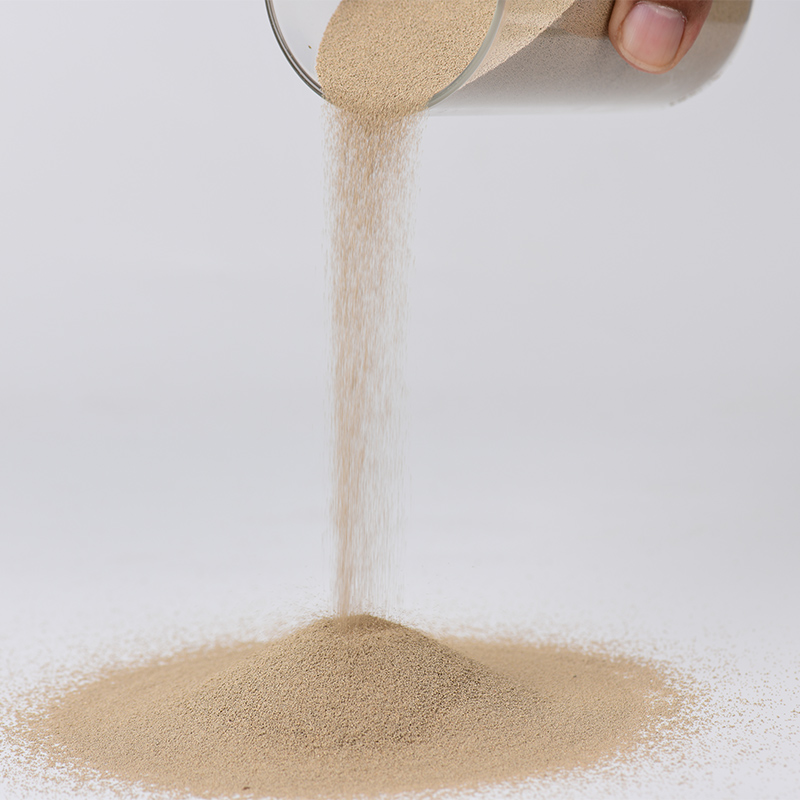
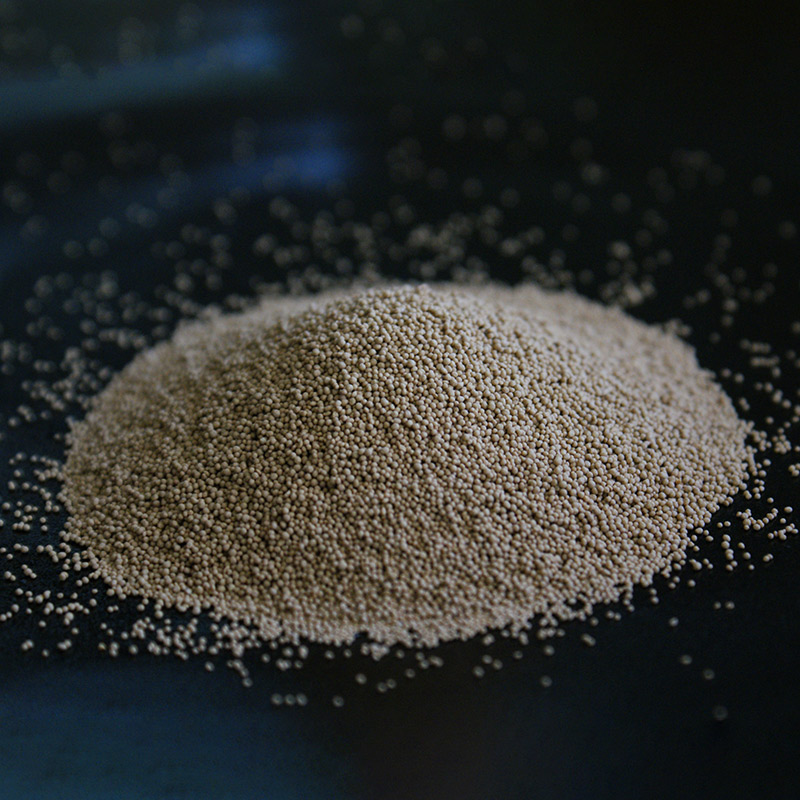
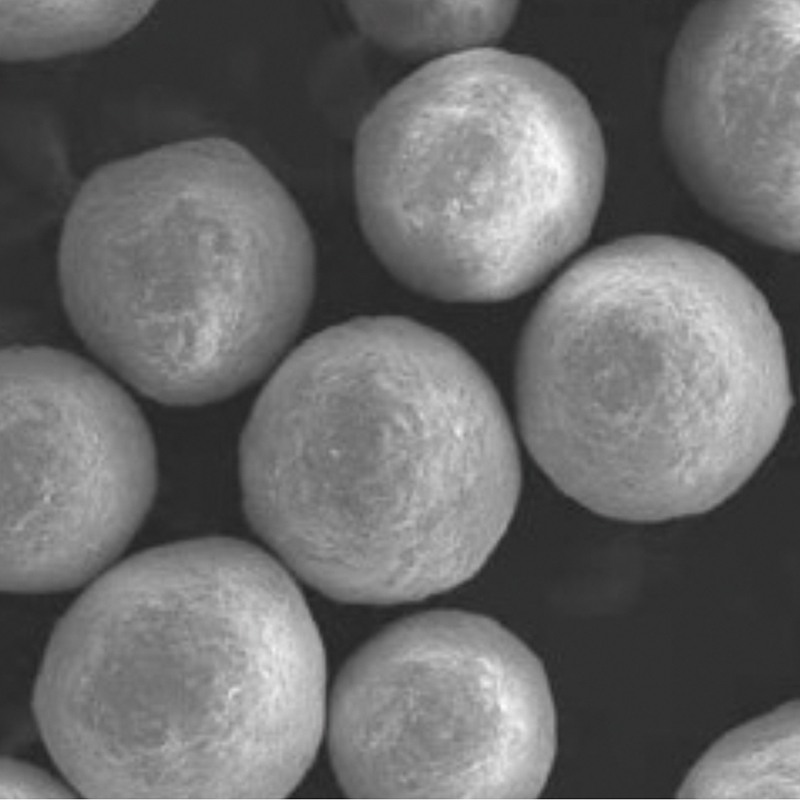
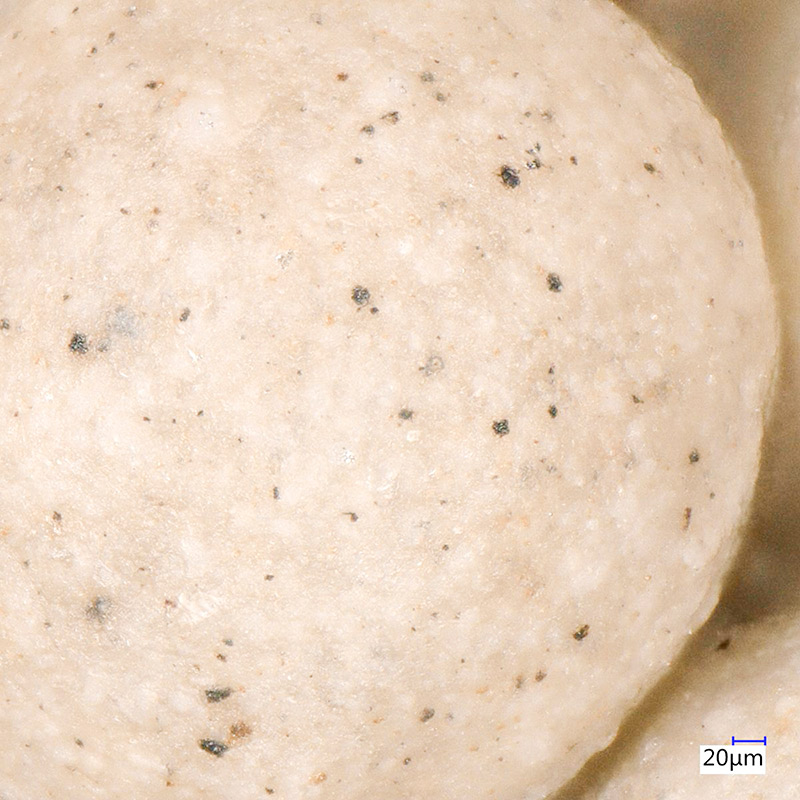
These specifications highlight the premium characteristics of Spherical Ceramic Sand, distinguishing it from conventional foundry sands. The low thermal expansion minimizes casting defects such as veining and buckling, while the high refractoriness ensures stability even at extreme molten metal temperatures. The highly spherical grain shape, indicated by a high shape factor and low angle of repose, allows for excellent flowability, better compaction, and reduced binder consumption, contributing to significant energy saving in core making and molding processes.
Spherical Sand: Premium Ceramic Sanding &#038; Finishing Solution

Key Technical Advantages of Spherical Ceramic Sand

The adoption of spherical sand, particularly the ceramic variant, offers a multitude of technical and operational advantages that significantly impact foundry performance and product quality. These benefits collectively contribute to enhanced efficiency, reduced costs, and improved environmental compliance.

  • Superior Refractoriness and Thermal Stability: With a refractoriness typically exceeding 1790°C, spherical ceramic sand withstands extreme temperatures of molten metals, including steel, high-alloy irons, and non-ferrous alloys, without breakdown or fusion. This prevents burn-on and penetration defects, ensuring excellent surface finish.
  • Low Thermal Expansion: Its exceptionally low thermal expansion coefficient minimizes volume changes during heating, drastically reducing casting defects such as veining, scabbing, and rat-tails that are common with silica sand. This leads to higher dimensional accuracy and fewer rejections.
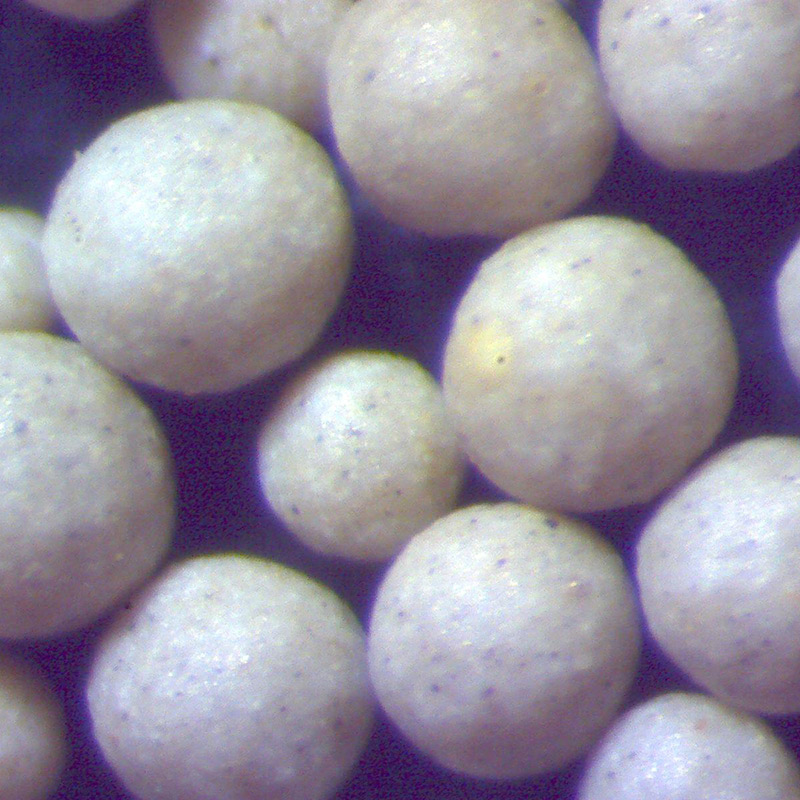
  • Excellent Flowability and Compaction: The perfectly spherical grain shape, coupled with a narrow grain size distribution, results in superior flowability. This allows for excellent compaction in both core and mold making, even in complex geometries, leading to denser molds and cores with consistent permeability. This efficiency translates to energy saving during compaction and reduced air-related defects.
  • Reduced Binder Consumption: Due to its smooth, spherical surface and high bulk density, ceramic sand requires significantly less binder compared to angular silica or chromite sands to achieve desired strength. This not only cuts material costs but also reduces the generation of harmful gases during pouring, improving workplace air quality.
  • Enhanced Surface Finish and Reduced Cleaning Costs: The low thermal expansion and chemical inertness prevent metal penetration and burn-on, resulting in castings with smoother surfaces. This drastically reduces post-casting cleaning operations (e.g., fettling, sanding ceramic) and associated labor costs.
  • High Reusability and Environmental Benefits: The robust, durable grains of ceramic sand resist breakdown during shakeout and reclamation. Its low LOI and neutral pH contribute to a more stable reclamation process, offering higher reclamation rates and extending service life, reducing waste and contributing to a greener foundry operation. The inherent corrosion resistance against molten metal further enhances its longevity.
  • Low Acid Demand Value (ADV): A low ADV ensures excellent compatibility with various resin binder systems, providing stability and predictable performance without consuming costly catalysts or requiring excessive binder.
Spherical Sand: Premium Ceramic Sanding &#038; Finishing Solution

Application Scenarios and Target Industries

The versatile properties of spherical sand make it an indispensable material across a broad spectrum of high-demand foundry applications and target industries. Its ability to produce high-integrity castings with excellent surface finishes makes it suitable for both ferrous and non-ferrous metal casting.

  • Steel Casting: Ideal for high-manganese steel, high-chromium steel, and stainless steel castings where high pouring temperatures and significant thermal stress are encountered. It minimizes burn-on and penetration, leading to superior final products.
  • Iron Casting: Particularly effective for high-quality ductile iron and grey iron castings, especially those requiring complex core designs or thin wall sections. Its low thermal expansion helps prevent veining and surface defects, improving dimensional stability.
  • Non-Ferrous Casting: Used in casting of copper alloys, aluminum alloys, and other non-ferrous metals where smooth surface finish and precise dimensions are critical. It provides an inert mold interface, preventing undesirable reactions.
  • Precision Casting: For intricate components requiring tight tolerances and excellent surface quality, such as in aerospace, automotive (engine blocks, cylinder heads), and medical device manufacturing. The spherical shape aids in filling fine details.
  • Lost Foam Casting and Investment Casting Shells: In lost foam, its high refractoriness and low thermal expansion prevent metal penetration and improve dimensional accuracy. For investment casting, fine grades can be used in slurry systems to create robust, smooth primary layers.
  • Target Industries:
    • Automotive: For engine components, transmission parts, and structural castings where reliability and performance are paramount.
    • Aerospace: High-performance alloys for turbine components, structural frames, and critical engine parts, benefiting from its superior heat resistance and precision.
    • Heavy Machinery & Construction: For large, heavy-duty components requiring high strength and durability, such as gears, housings, and structural elements.
    • Petrochemical: Castings for valves, pumps, and pipe fittings that require corrosion resistance and high-temperature stability.
    • Metallurgy: Essential for producing high-quality molds and cores for specialty alloys and metallurgical processing equipment.
    • Water Supply & Drainage: Cast components for infrastructure, where long service life and resistance to environmental factors are crucial.
Spherical Sand: Premium Ceramic Sanding &#038; Finishing Solution

Vendor Comparison and Competitive Analysis

The market for advanced foundry sands, including spherical sand, features several key players. Distinguishing between vendors is crucial for foundries seeking the optimal balance of performance, cost-effectiveness, and reliable supply. Our Spherical Ceramic Sand for Foundry stands out due to a combination of proprietary manufacturing technology, stringent quality control, and a commitment to customer-centric solutions.

Comparison with Alternative Foundry Sands

Property Spherical Ceramic Sand (e.g., Sinoceramsite) Silica Sand Chromite Sand Zircon Sand
Grain Shape Highly Spherical Angular/Sub-angular Sub-angular/Irregular Rounded/Sub-angular
Refractoriness (°C) ≥ 1790 ≤ 1700 ≥ 1800 ≥ 2100
Thermal Expansion Very Low High (causes defects) Low Very Low
Specific Gravity (g/cm³) 3.2 - 3.6 2.65 4.5 - 4.8 4.6 - 4.7
Binder Consumption Very Low High Moderate Moderate
Surface Finish Excellent Poor/Moderate Good Very Good
Cost Moderate to High (value-driven) Low High Very High
Environmental Impact (Dust) Low (silica-free) High (silicosis risk) Low Low

While materials like zircon sand and chromite sand offer high refractoriness, they often come with significantly higher costs and specific gravity, which can impact core weight and handling. Silica sand is cheap but presents severe limitations in terms of thermal expansion, refractoriness, and health hazards (crystalline silica dust). Spherical ceramic sand, like ours, provides a balanced solution, delivering premium performance akin to higher-end specialty sands but at a more competitive cost, and importantly, without the health risks associated with free silica, making it a safer alternative for workers.
Spherical Sand: Premium Ceramic Sanding &#038; Finishing Solution

Customized Solutions and R&D Capabilities

Recognizing that every foundry operation has unique requirements, we are committed to offering customized solutions for our spherical sand products. Our extensive R&D capabilities allow us to tailor key parameters to meet specific casting challenges and operational preferences.

  • Grain Size Distribution (AFS GFN): We can adjust the AFS Grain Fineness Number to optimize permeability, surface finish, and mold strength for different metals and casting geometries, from coarse grains for heavy castings to fine grades for intricate precision parts.
  • Chemical Composition: While maintaining the high Al₂O₃ content, minor adjustments to the ceramic formulation can be made to fine-tune specific properties such as thermal expansion or chemical inertness against particular alloys.
  • Coating Options: For specific applications, pre-coated ceramic sand with specialized resin systems can be provided to further enhance performance, reduce binder usage, and simplify foundry processes.
  • Technical Consultation and Support: Our team of metallurgical and foundry experts works closely with clients to understand their challenges, recommend optimal sand grades, and provide on-site technical support to ensure seamless integration and maximum performance.
  • Continuous Improvement: Through ongoing research and development, leveraging advanced analytical tools and pilot plant facilities, we continuously strive to improve our product's performance, cost-efficiency, and environmental footprint.

Our dedication to innovation ensures that clients receive not just a product, but a tailored solution that drives tangible improvements in their casting operations.

Application Case Studies and Customer Success

The practical benefits of Spherical Ceramic Sand are best illustrated through real-world applications and customer success stories. These cases demonstrate the tangible improvements foundries achieve by switching to our advanced foundry sand.

Case Study 1: High-Manganese Steel Components

A leading foundry producing wear-resistant high-manganese steel components faced persistent issues with surface roughness, metal penetration, and veining when using traditional chromite sand. After implementing our Spherical Ceramic Sand (AFS 50-60), they observed a remarkable transformation. Surface finish improved by over 40%, and defects like veining were virtually eliminated due to the low thermal expansion. The foundry also reported a 15% reduction in cleaning and finishing time, directly translating to significant labor cost savings and increased throughput. This customer praised the consistent quality and excellent shakeout properties of the ceramic sand.

Case Study 2: Automotive Engine Blocks (Ductile Iron)

An automotive components foundry struggled with core breakage during handling and pouring, leading to significant scrap rates for complex ductile iron engine blocks. Their primary issue stemmed from inadequate strength and flowability of their existing sand, resulting in poor compaction. By adopting our Spherical Ceramic Sand, they achieved superior core strength with less binder (a 10% reduction in phenolic-urethane binder was observed), owing to its exceptional spherical grain shape and flow characteristics. Scrap rates for core-related defects dropped by 20%, and the consistent quality of castings allowed for faster machining times. The project's success was attributed to the robust performance and consistent quality of the spherical sand.

Case Study 3: Petrochemical Valve Components (Stainless Steel)

A specialized foundry manufacturing stainless steel valves for the petrochemical industry needed a sand that could withstand extreme pouring temperatures and minimize surface defects crucial for corrosion resistance. They faced challenges with silica sand causing burn-on and difficulty in removal. Our Spherical Ceramic Sand provided the necessary high refractoriness and low reactivity, resulting in exceptionally clean casting surfaces and significantly easier shakeout. This led to a 30% reduction in shot blasting and grinding operations, substantially cutting down post-casting processing costs and improving overall production efficiency, enhancing the corrosion resistance of the final product due to improved surface integrity.

Commitment to Quality and Customer Trust

Our dedication to providing high-quality spherical sand is underpinned by a robust framework of certifications, transparent operations, and unwavering customer support, adhering strictly to Google standards. We believe that trust is built on consistency, reliability, and accountability.

Certifications and Compliance

  • ISO 9001:2015 Certified: Our manufacturing processes for Spherical Ceramic Sand are certified under ISO 9001:2015, ensuring consistent quality management systems from raw material sourcing to final product delivery.
  • ISO 14001:2015 Environmental Management: We adhere to strict environmental management standards, minimizing our ecological footprint throughout the production cycle.
  • RoHS & REACH Compliance: Our products comply with European RoHS and REACH regulations, confirming the absence of hazardous substances and promoting safe usage.
  • Third-Party Testing: All batches undergo rigorous third-party testing to verify compliance with published specifications and industry benchmarks, providing independent assurance of quality.

Lead Time and Fulfillment

  • Standard Lead Time: Typically 10-15 business days for standard grades and quantities, depending on current stock levels and production schedules.
  • Expedited Orders: We offer expedited processing and shipping options for urgent requirements, subject to availability and additional charges.
  • Global Logistics Network: Our efficient logistics network ensures timely and reliable delivery worldwide, supported by experienced shipping partners.

Warranty and After-Sales Support

  • Product Warranty: We guarantee that our Spherical Ceramic Sand meets all advertised technical specifications upon delivery. Any non-conformance will be addressed promptly according to our quality assurance policy.
  • Dedicated Customer Support: Our technical support team is available to assist with product selection, application guidance, troubleshooting, and any post-purchase inquiries.
  • Continuous Feedback Loop: We value customer feedback to continually improve our products and services, fostering long-term partnerships.

Frequently Asked Questions (FAQ)

Q1: What are the primary benefits of using Spherical Ceramic Sand over traditional silica sand?

A1: Spherical Ceramic Sand offers significantly higher refractoriness, very low thermal expansion, excellent flowability, and requires less binder. This translates to fewer casting defects (like veining and scabbing), superior surface finish, reduced cleaning costs, and a safer, silica-free working environment compared to silica sand. Its spherical shape also contributes to easier shakeout and higher reclamation rates.

Q2: Is Spherical Ceramic Sand suitable for all types of metal casting?

A2: Yes, due to its high refractoriness and chemical inertness, it is suitable for a wide range of ferrous and non-ferrous metals, including various steels (carbon, stainless, high-alloy), ductile iron, grey iron, and aluminum alloys. Its versatility makes it an excellent choice for demanding applications across different metal types.

Q3: How does the spherical grain shape impact foundry operations?

A3: The perfectly spherical grain shape of spherical sand allows for superior flowability and compaction, leading to denser, more uniform molds and cores. This reduces binder consumption, improves permeability, minimizes gas-related defects, and contributes to easier shakeout and reclamation, ultimately enhancing overall foundry efficiency.

Q4: What environmental advantages does Spherical Ceramic Sand offer?

A4: Being a silica-free product, it eliminates the health risks associated with crystalline silica dust. Its high durability and reusability lead to reduced waste generation and lower disposal costs. The lower binder requirement also contributes to reduced VOC emissions during casting, making it a more environmentally conscious choice.

Q5: Can Spherical Ceramic Sand be customized for specific applications?

A5: Absolutely. We offer customized solutions, including tailored AFS Grain Fineness Numbers, specific chemical compositions, and even pre-coated options to meet unique foundry requirements. Our technical team works closely with clients to develop optimal solutions.

References

  1. American Foundry Society. (Current Standards). AFS Mold & Core Test Handbook. AFS Publications.
  2. International Organization for Standardization. (Current Standards). ISO 9001: Quality management systems. ISO Central Secretariat.
  3. International Organization for Standardization. (Current Standards). ISO 14001: Environmental management systems. ISO Central Secretariat.
  4. G.F. Ruff, D.W. Snook, R.J. Was, & J.R. Brown. (2007). The Handbook of Foundry Technology. American Foundry Society.
  5. J.M. Bedolla, & V. Lopez. (2018). Advanced Foundry Materials: A Comprehensive Review. Journal of Materials Science Research, 7(3).
  6. European Chemicals Agency (ECHA). (Ongoing). REACH and CLP Regulations. ECHA Publications.
Post time:Sep . 22, 2025 18:55

Next:

Spherical Sand: Premium Ceramic Sanding & Finishing Solution

Introduction to Spherical Ceramic Sand for Advanced Foundry Applications

In the demanding landscape of modern foundry operations, the selection of premium refractory materials is paramount for achieving superior casting quality, optimizing production efficiency, and minimizing environmental impact. Among the innovative solutions gaining significant traction is spherical sand, particularly the advanced spherical ceramic sand engineered for precision casting. This material represents a critical advancement over traditional silica sand, offering a compelling combination of high refractoriness, exceptional thermal stability, and an ideal spherical grain shape. Its unique properties are instrumental in overcoming common foundry challenges such as veining, scabbing, and issues related to expansion defects, thereby enhancing the integrity and surface finish of complex metal castings.

Our focus here is on the specialized Spherical Ceramic Sand for Foundry, a product designed to meet the rigorous demands of various casting processes. This engineered material, often referred to as ceramic sand, is meticulously produced to ensure consistency and performance. Its application extends across diverse sectors, including automotive, aerospace, heavy machinery, and general industrial manufacturing, where high-quality, defect-free castings are non-negotiable. The inherent advantages of using this innovative material translate directly into improved operational cost-effectiveness and a stronger competitive edge for foundries worldwide.

spherical sand

Industry Trends and Market Dynamics in Foundry Materials

The global foundry industry is undergoing a significant transformation, driven by escalating demands for higher precision, reduced casting defects, and enhanced environmental sustainability. Traditional silica sand, while cost-effective, often falls short in meeting these modern requirements, especially for high-alloy and intricate castings. This gap has propelled the demand for advanced foundry sands, with spherical sand, particularly ceramic variants, emerging as a front-runner. Market analysis indicates a steady growth in the adoption of high-performance refractory materials due to their ability to improve casting quality and reduce rework, a critical factor in competitive global markets. The push for lightweighting in automotive and aerospace industries also necessitates casting processes that deliver exceptional surface finish and dimensional accuracy, areas where engineered ceramic sand excels.

Key trends include a shift towards environmentally friendly solutions, minimizing hazardous waste, and improving workplace conditions. The inherent low thermal expansion and reduced dust generation of ceramic sand contribute significantly to these objectives. Furthermore, the increasing use of 3D printing in core and mold making (binder jetting, FDM with ceramic materials) is creating new avenues for specialized ceramic sand formulations that can handle higher binder loads and produce intricate geometries with superior integrity. Foundries are also keen on solutions that offer better reclamation rates, reducing consumption and disposal costs. The high durability and spherical shape of ceramic sand facilitate easier shakeout and higher reusability, aligning perfectly with sustainability goals.

spherical sand

Manufacturing Process of Spherical Ceramic Sand

The production of high-quality spherical sand is a sophisticated process, meticulously controlled to achieve its distinctive properties. Unlike naturally occurring sands or crushed aggregates, ceramic sand is engineered, typically from bauxite, a naturally occurring aluminum ore. The manufacturing process involves several critical stages to ensure consistent spherical grain shape, controlled particle size distribution, and superior refractory characteristics.

Process Flow Overview:

  1. Raw Material Procurement and Preparation: High-grade bauxite ore is carefully selected, crushed, and milled into a fine powder. This pre-processing step ensures uniformity in chemical composition and particle size, which is crucial for subsequent stages.
  2. Slurry Formulation: The bauxite powder is mixed with water and specific additives to create a homogeneous slurry. The rheological properties of this slurry are tightly controlled to facilitate the formation of spherical particles.
  3. Spray Drying/Granulation: The slurry is then introduced into a spray dryer or a granulation system. In spray drying, the slurry is atomized into fine droplets, which are then dried in a hot air stream. Surface tension naturally forms these droplets into perfect spheres. In some processes, granulation via pan or drum granulators is used to achieve the spherical shape through rolling and agglomeration.
  4. Sintering/Firing: The spherical green (unfired) particles are then subjected to high-temperature sintering in rotary kilns or shaft furnaces, typically at temperatures exceeding 1300°C (2372°F). This critical step causes the particles to densify and develop their ceramic microstructure, imparting the required hardness, refractoriness, and thermal stability. The firing process transforms the bauxite into a robust mullite-rich ceramic material.
  5. Classification and Screening: After firing, the ceramic granules undergo precise classification and screening processes to achieve desired AFS (American Foundry Society) grain fineness numbers and tight particle size distributions. This ensures consistent permeability and compaction properties for foundry applications.
  6. Quality Control and Packaging: Throughout the process, stringent quality control measures are implemented, adhering to international standards such as ISO 9001. Testing standards for final product include density, refractoriness, loss on ignition, acid demand value, and permeability. The finished spherical ceramic sand is then packaged in various forms (e.g., bulk bags, paper bags) for shipment.

The resulting spherical sand exhibits superior properties, including a high service life, making it a sustainable choice for industries like petrochemical, metallurgy, and water supply & drainage. Its robust nature contributes to energy saving by reducing rework and improving casting quality.

spherical sand

Technical Specifications and Performance Parameters

The performance of spherical sand in foundry applications is directly tied to its precise technical specifications. These parameters are critical for foundry engineers to determine suitability for specific metals, mold types, and casting geometries. Below is a comprehensive table outlining typical specifications for Spherical Ceramic Sand for Foundry, reflecting industry benchmarks and our product’s capabilities.

Typical Product Specifications: Spherical Ceramic Sand for Foundry

Parameter Typical Value Test Standard / Method
Chemical Composition (Al₂O₃) 72-76% ASTM E1019 / XRF
Refractoriness ≥ 1790°C (3254°F) ISO 2478 / Pyrometric Cone Equivalent
Specific Gravity 3.2-3.6 g/cm³ ISO 787-10 / Water Displacement
Bulk Density 1.9-2.2 g/cm³ ISO 787-11 / Apparent Density
AFS GFN (Grain Fineness Number) 30-100 (Customizable) AFS 100-87-S
Angle of Repose < 28 degrees ASTM D6393 / Pour Test
Thermal Expansion Coefficient (20-1000°C) 4.5-5.5 x 10⁻⁶ /°C ISO 10545-8 / Dilatometry
Acid Demand Value (ADV) < 5 ml of 0.1N NaOH AFS 115-87-S
pH Value 6.5-7.5 ISO 787-9 / Aqueous Suspension
Loss on Ignition (LOI) < 0.3% ISO 8130-1 / Gravimetric
Shape Factor > 0.95 (Highly spherical) Image Analysis / ASTM D5757

These specifications highlight the premium characteristics of Spherical Ceramic Sand, distinguishing it from conventional foundry sands. The low thermal expansion minimizes casting defects such as veining and buckling, while the high refractoriness ensures stability even at extreme molten metal temperatures. The highly spherical grain shape, indicated by a high shape factor and low angle of repose, allows for excellent flowability, better compaction, and reduced binder consumption, contributing to significant energy saving in core making and molding processes.

spherical sand

Key Technical Advantages of Spherical Ceramic Sand

The adoption of spherical sand, particularly the ceramic variant, offers a multitude of technical and operational advantages that significantly impact foundry performance and product quality. These benefits collectively contribute to enhanced efficiency, reduced costs, and improved environmental compliance.

  • Superior Refractoriness and Thermal Stability: With a refractoriness typically exceeding 1790°C, spherical ceramic sand withstands extreme temperatures of molten metals, including steel, high-alloy irons, and non-ferrous alloys, without breakdown or fusion. This prevents burn-on and penetration defects, ensuring excellent surface finish.
  • Low Thermal Expansion: Its exceptionally low thermal expansion coefficient minimizes volume changes during heating, drastically reducing casting defects such as veining, scabbing, and rat-tails that are common with silica sand. This leads to higher dimensional accuracy and fewer rejections.
  • Excellent Flowability and Compaction: The perfectly spherical grain shape, coupled with a narrow grain size distribution, results in superior flowability. This allows for excellent compaction in both core and mold making, even in complex geometries, leading to denser molds and cores with consistent permeability. This efficiency translates to energy saving during compaction and reduced air-related defects.
  • Reduced Binder Consumption: Due to its smooth, spherical surface and high bulk density, ceramic sand requires significantly less binder compared to angular silica or chromite sands to achieve desired strength. This not only cuts material costs but also reduces the generation of harmful gases during pouring, improving workplace air quality.
  • Enhanced Surface Finish and Reduced Cleaning Costs: The low thermal expansion and chemical inertness prevent metal penetration and burn-on, resulting in castings with smoother surfaces. This drastically reduces post-casting cleaning operations (e.g., fettling, sanding ceramic) and associated labor costs.
  • High Reusability and Environmental Benefits: The robust, durable grains of ceramic sand resist breakdown during shakeout and reclamation. Its low LOI and neutral pH contribute to a more stable reclamation process, offering higher reclamation rates and extending service life, reducing waste and contributing to a greener foundry operation. The inherent corrosion resistance against molten metal further enhances its longevity.
  • Low Acid Demand Value (ADV): A low ADV ensures excellent compatibility with various resin binder systems, providing stability and predictable performance without consuming costly catalysts or requiring excessive binder.
spherical sand

Application Scenarios and Target Industries

The versatile properties of spherical sand make it an indispensable material across a broad spectrum of high-demand foundry applications and target industries. Its ability to produce high-integrity castings with excellent surface finishes makes it suitable for both ferrous and non-ferrous metal casting.

  • Steel Casting: Ideal for high-manganese steel, high-chromium steel, and stainless steel castings where high pouring temperatures and significant thermal stress are encountered. It minimizes burn-on and penetration, leading to superior final products.
  • Iron Casting: Particularly effective for high-quality ductile iron and grey iron castings, especially those requiring complex core designs or thin wall sections. Its low thermal expansion helps prevent veining and surface defects, improving dimensional stability.
  • Non-Ferrous Casting: Used in casting of copper alloys, aluminum alloys, and other non-ferrous metals where smooth surface finish and precise dimensions are critical. It provides an inert mold interface, preventing undesirable reactions.
  • Precision Casting: For intricate components requiring tight tolerances and excellent surface quality, such as in aerospace, automotive (engine blocks, cylinder heads), and medical device manufacturing. The spherical shape aids in filling fine details.
  • Lost Foam Casting and Investment Casting Shells: In lost foam, its high refractoriness and low thermal expansion prevent metal penetration and improve dimensional accuracy. For investment casting, fine grades can be used in slurry systems to create robust, smooth primary layers.
  • Target Industries:
    • Automotive: For engine components, transmission parts, and structural castings where reliability and performance are paramount.
    • Aerospace: High-performance alloys for turbine components, structural frames, and critical engine parts, benefiting from its superior heat resistance and precision.
    • Heavy Machinery & Construction: For large, heavy-duty components requiring high strength and durability, such as gears, housings, and structural elements.
    • Petrochemical: Castings for valves, pumps, and pipe fittings that require corrosion resistance and high-temperature stability.
    • Metallurgy: Essential for producing high-quality molds and cores for specialty alloys and metallurgical processing equipment.
    • Water Supply & Drainage: Cast components for infrastructure, where long service life and resistance to environmental factors are crucial.
spherical sand

Vendor Comparison and Competitive Analysis

The market for advanced foundry sands, including spherical sand, features several key players. Distinguishing between vendors is crucial for foundries seeking the optimal balance of performance, cost-effectiveness, and reliable supply. Our Spherical Ceramic Sand for Foundry stands out due to a combination of proprietary manufacturing technology, stringent quality control, and a commitment to customer-centric solutions.

Comparison with Alternative Foundry Sands

Property Spherical Ceramic Sand (e.g., Sinoceramsite) Silica Sand Chromite Sand Zircon Sand
Grain Shape Highly Spherical Angular/Sub-angular Sub-angular/Irregular Rounded/Sub-angular
Refractoriness (°C) ≥ 1790 ≤ 1700 ≥ 1800 ≥ 2100
Thermal Expansion Very Low High (causes defects) Low Very Low
Specific Gravity (g/cm³) 3.2 - 3.6 2.65 4.5 - 4.8 4.6 - 4.7
Binder Consumption Very Low High Moderate Moderate
Surface Finish Excellent Poor/Moderate Good Very Good
Cost Moderate to High (value-driven) Low High Very High
Environmental Impact (Dust) Low (silica-free) High (silicosis risk) Low Low

While materials like zircon sand and chromite sand offer high refractoriness, they often come with significantly higher costs and specific gravity, which can impact core weight and handling. Silica sand is cheap but presents severe limitations in terms of thermal expansion, refractoriness, and health hazards (crystalline silica dust). Spherical ceramic sand, like ours, provides a balanced solution, delivering premium performance akin to higher-end specialty sands but at a more competitive cost, and importantly, without the health risks associated with free silica, making it a safer alternative for workers.

spherical sand

Customized Solutions and R&D Capabilities

Recognizing that every foundry operation has unique requirements, we are committed to offering customized solutions for our spherical sand products. Our extensive R&D capabilities allow us to tailor key parameters to meet specific casting challenges and operational preferences.

  • Grain Size Distribution (AFS GFN): We can adjust the AFS Grain Fineness Number to optimize permeability, surface finish, and mold strength for different metals and casting geometries, from coarse grains for heavy castings to fine grades for intricate precision parts.
  • Chemical Composition: While maintaining the high Al₂O₃ content, minor adjustments to the ceramic formulation can be made to fine-tune specific properties such as thermal expansion or chemical inertness against particular alloys.
  • Coating Options: For specific applications, pre-coated ceramic sand with specialized resin systems can be provided to further enhance performance, reduce binder usage, and simplify foundry processes.
  • Technical Consultation and Support: Our team of metallurgical and foundry experts works closely with clients to understand their challenges, recommend optimal sand grades, and provide on-site technical support to ensure seamless integration and maximum performance.
  • Continuous Improvement: Through ongoing research and development, leveraging advanced analytical tools and pilot plant facilities, we continuously strive to improve our product's performance, cost-efficiency, and environmental footprint.

Our dedication to innovation ensures that clients receive not just a product, but a tailored solution that drives tangible improvements in their casting operations.

Application Case Studies and Customer Success

The practical benefits of Spherical Ceramic Sand are best illustrated through real-world applications and customer success stories. These cases demonstrate the tangible improvements foundries achieve by switching to our advanced foundry sand.

Case Study 1: High-Manganese Steel Components

A leading foundry producing wear-resistant high-manganese steel components faced persistent issues with surface roughness, metal penetration, and veining when using traditional chromite sand. After implementing our Spherical Ceramic Sand (AFS 50-60), they observed a remarkable transformation. Surface finish improved by over 40%, and defects like veining were virtually eliminated due to the low thermal expansion. The foundry also reported a 15% reduction in cleaning and finishing time, directly translating to significant labor cost savings and increased throughput. This customer praised the consistent quality and excellent shakeout properties of the ceramic sand.

Case Study 2: Automotive Engine Blocks (Ductile Iron)

An automotive components foundry struggled with core breakage during handling and pouring, leading to significant scrap rates for complex ductile iron engine blocks. Their primary issue stemmed from inadequate strength and flowability of their existing sand, resulting in poor compaction. By adopting our Spherical Ceramic Sand, they achieved superior core strength with less binder (a 10% reduction in phenolic-urethane binder was observed), owing to its exceptional spherical grain shape and flow characteristics. Scrap rates for core-related defects dropped by 20%, and the consistent quality of castings allowed for faster machining times. The project's success was attributed to the robust performance and consistent quality of the spherical sand.

Case Study 3: Petrochemical Valve Components (Stainless Steel)

A specialized foundry manufacturing stainless steel valves for the petrochemical industry needed a sand that could withstand extreme pouring temperatures and minimize surface defects crucial for corrosion resistance. They faced challenges with silica sand causing burn-on and difficulty in removal. Our Spherical Ceramic Sand provided the necessary high refractoriness and low reactivity, resulting in exceptionally clean casting surfaces and significantly easier shakeout. This led to a 30% reduction in shot blasting and grinding operations, substantially cutting down post-casting processing costs and improving overall production efficiency, enhancing the corrosion resistance of the final product due to improved surface integrity.

Commitment to Quality and Customer Trust

Our dedication to providing high-quality spherical sand is underpinned by a robust framework of certifications, transparent operations, and unwavering customer support, adhering strictly to Google standards. We believe that trust is built on consistency, reliability, and accountability.

Certifications and Compliance

  • ISO 9001:2015 Certified: Our manufacturing processes for Spherical Ceramic Sand are certified under ISO 9001:2015, ensuring consistent quality management systems from raw material sourcing to final product delivery.
  • ISO 14001:2015 Environmental Management: We adhere to strict environmental management standards, minimizing our ecological footprint throughout the production cycle.
  • RoHS & REACH Compliance: Our products comply with European RoHS and REACH regulations, confirming the absence of hazardous substances and promoting safe usage.
  • Third-Party Testing: All batches undergo rigorous third-party testing to verify compliance with published specifications and industry benchmarks, providing independent assurance of quality.

Lead Time and Fulfillment

  • Standard Lead Time: Typically 10-15 business days for standard grades and quantities, depending on current stock levels and production schedules.
  • Expedited Orders: We offer expedited processing and shipping options for urgent requirements, subject to availability and additional charges.
  • Global Logistics Network: Our efficient logistics network ensures timely and reliable delivery worldwide, supported by experienced shipping partners.

Warranty and After-Sales Support

  • Product Warranty: We guarantee that our Spherical Ceramic Sand meets all advertised technical specifications upon delivery. Any non-conformance will be addressed promptly according to our quality assurance policy.
  • Dedicated Customer Support: Our technical support team is available to assist with product selection, application guidance, troubleshooting, and any post-purchase inquiries.
  • Continuous Feedback Loop: We value customer feedback to continually improve our products and services, fostering long-term partnerships.

Frequently Asked Questions (FAQ)

Q1: What are the primary benefits of using Spherical Ceramic Sand over traditional silica sand?

A1: Spherical Ceramic Sand offers significantly higher refractoriness, very low thermal expansion, excellent flowability, and requires less binder. This translates to fewer casting defects (like veining and scabbing), superior surface finish, reduced cleaning costs, and a safer, silica-free working environment compared to silica sand. Its spherical shape also contributes to easier shakeout and higher reclamation rates.

Q2: Is Spherical Ceramic Sand suitable for all types of metal casting?

A2: Yes, due to its high refractoriness and chemical inertness, it is suitable for a wide range of ferrous and non-ferrous metals, including various steels (carbon, stainless, high-alloy), ductile iron, grey iron, and aluminum alloys. Its versatility makes it an excellent choice for demanding applications across different metal types.

Q3: How does the spherical grain shape impact foundry operations?

A3: The perfectly spherical grain shape of spherical sand allows for superior flowability and compaction, leading to denser, more uniform molds and cores. This reduces binder consumption, improves permeability, minimizes gas-related defects, and contributes to easier shakeout and reclamation, ultimately enhancing overall foundry efficiency.

Q4: What environmental advantages does Spherical Ceramic Sand offer?

A4: Being a silica-free product, it eliminates the health risks associated with crystalline silica dust. Its high durability and reusability lead to reduced waste generation and lower disposal costs. The lower binder requirement also contributes to reduced VOC emissions during casting, making it a more environmentally conscious choice.

Q5: Can Spherical Ceramic Sand be customized for specific applications?

A5: Absolutely. We offer customized solutions, including tailored AFS Grain Fineness Numbers, specific chemical compositions, and even pre-coated options to meet unique foundry requirements. Our technical team works closely with clients to develop optimal solutions.

References

  1. American Foundry Society. (Current Standards). AFS Mold & Core Test Handbook. AFS Publications.
  2. International Organization for Standardization. (Current Standards). ISO 9001: Quality management systems. ISO Central Secretariat.
  3. International Organization for Standardization. (Current Standards). ISO 14001: Environmental management systems. ISO Central Secretariat.
  4. G.F. Ruff, D.W. Snook, R.J. Was, & J.R. Brown. (2007). The Handbook of Foundry Technology. American Foundry Society.
  5. J.M. Bedolla, & V. Lopez. (2018). Advanced Foundry Materials: A Comprehensive Review. Journal of Materials Science Research, 7(3).
  6. European Chemicals Agency (ECHA). (Ongoing). REACH and CLP Regulations. ECHA Publications.
Post time:Sep . 08, 2025 16:38

Next:
Leave Your Message

If you are interested in our products, you can choose to leave your information here, and we will be in touch with you shortly.