
Understanding the Role of Foundry Sand Used in Construction
In the modern building landscape, the search for durable and cost-effective materials has led many engineers to explore specialized aggregates. One such innovative application is the utilization of foundry sand used in construction. Traditionally reserved for metal casting, this high-silica material offers unique physical properties that can enhance the strength and stability of various building elements. By repurposing industrial sand, the construction industry not only improves material performance but also moves toward a more sustainable, circular economy. In this guide, we will explore how this material is integrated into modern infrastructure and the specific advantages it brings to the job site.
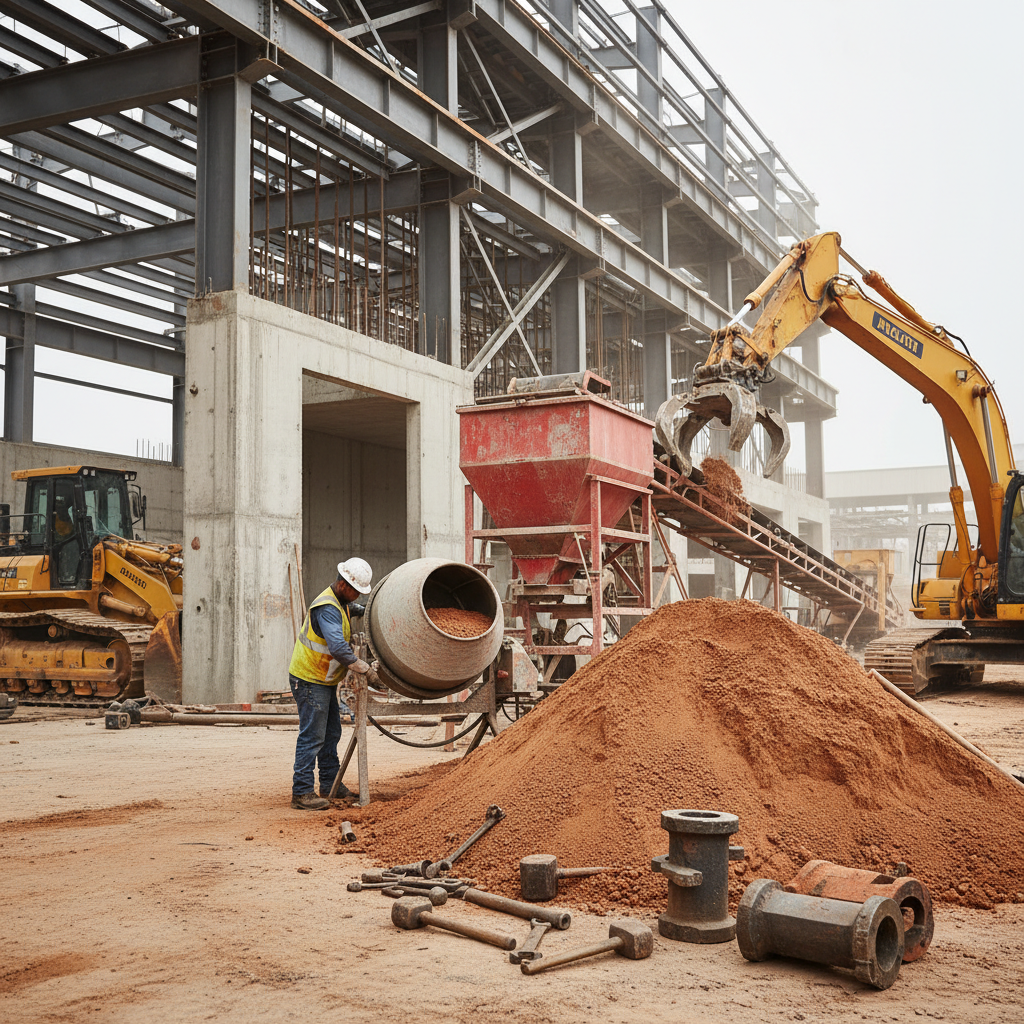
The Composition and Properties of Industrial Foundry Sand
Foundry sand is primarily composed of silica (quartz), which is renowned for its high melting point and excellent thermal stability. When transitioned into the construction sector, these properties translate into a material that is highly resistant to compression and environmental wear. Unlike some natural river sands, industrial foundry sand is often processed to have a very consistent grain size and shape, which allows for better packing density in concrete mixes. This consistency reduces the amount of cement paste required to fill voids, effectively increasing the overall structural integrity of the final product. Using foundry sand used in construction ensures a predictable outcome in high-stress load-bearing applications.
Key Applications of Foundry Sand Used in Construction
The versatility of this material allows it to be utilized in several critical areas of civil engineering. Most commonly, it is used as a fine aggregate in mortar and concrete, where it improves the workability and finish of the surface. Additionally, it serves as an excellent base material for road construction and paving, providing a stable foundation that resists shifting under heavy traffic loads. In some specialized cases, it is used in the manufacturing of refractory bricks for industrial furnaces within building complexes. The integration of foundry sand used in construction helps in achieving a smoother finish in architectural concrete, making it a favorite for aesthetic structural elements.
Industry Insight: The precise grain distribution of foundry sand helps in reducing the "bleeding" effect in fresh concrete, ensuring that the water doesn't rise to the surface too quickly during the curing process.
Comparison: Foundry Sand vs. Natural River Sand
When deciding between materials, contractors often weigh the pros and cons of industrial sand versus traditional river sand. While river sand is widely available, it often contains organic impurities and varying grain sizes that can lead to unpredictable shrinkage. In contrast, the processed nature of foundry sand used in construction provides a level of purity and uniformity that is difficult to find in nature. This makes it particularly suitable for high-precision projects where structural tolerances are tight.
Technical Specifications for Construction Grade Sand
To ensure safety and compliance with building codes, foundry sand used in construction must meet specific technical criteria. The silica content is typically kept above 95% to ensure chemical stability and resistance to alkali-silica reactions (ASR). Furthermore, the moisture content is carefully controlled to avoid affecting the water-cement ratio in concrete mixes. Below is a specification table commonly used for grading industrial sands intended for structural use.
Sustainability and Environmental Impact
One of the most compelling reasons to adopt foundry sand used in construction is the reduction of environmental degradation. The extraction of river sand often leads to the erosion of riverbanks and the destruction of aquatic ecosystems. By utilizing byproduct sand from the metal casting industry, construction firms can significantly lower their ecological footprint. This process effectively turns industrial waste into a valuable resource, supporting the global movement toward "Green Building" certifications such as LEED. Furthermore, the transport distances can often be reduced if the construction project is located near industrial hubs, lowering the total carbon emissions associated with material logistics.
Implementation Challenges and Best Practices
Despite the benefits, integrating foundry sand used in construction requires careful management. The primary challenge is ensuring the sand is free from chemical binders (such as resins or clays) used during the casting process. These remnants can interfere with the hydration of cement, potentially weakening the bond. The best practice is to use "reclaimed" sand that has undergone thermal or mechanical cleaning. Engineers are encouraged to conduct trial mixes and compressive strength tests before full-scale application to ensure the material behaves as expected under the specific climate and loading conditions of the site.
Conclusion: The Future of Construction Aggregates
The adoption of foundry sand used in construction represents a strategic shift toward smarter, more sustainable building practices. By combining industrial efficiency with civil engineering, we can create structures that are not only strong and durable but also environmentally responsible. As the demand for sustainable materials grows, the role of reclaimed industrial sands will only increase, providing a viable alternative to dwindling natural resources. Embracing these innovative materials is key to building the resilient cities of tomorrow.
Frequently Asked Questions (FAQs)
Is foundry sand safe for all types of construction projects?
Foundry sand is safe for most construction applications, including roads, pavements, and non-critical concrete structures. However, for high-rise structural columns or critical bridges, it is essential to verify the sand's purity and conduct standardized strength tests. The primary concern is the presence of old binders; as long as the sand is properly reclaimed and tested for silica purity, it performs exceptionally well. Always consult with a structural engineer to ensure the material meets the specific load requirements of your project.
How does using foundry sand affect the cost of building?
Generally, using reclaimed foundry sand can reduce material costs, as it is often priced lower than high-grade natural river sand. Furthermore, its superior uniformity can lead to a reduction in the amount of expensive cement required to achieve the desired strength. However, costs may slightly increase if extensive cleaning or specialized testing is required on-site. In the long run, the combination of lower material procurement costs and the ability to claim green building credits often makes it a more economical choice.
Does foundry sand cause shrinkage in concrete?
Actually, because foundry sand used in construction has a more consistent grain size and shape compared to natural sand, it often helps in reducing shrinkage. The better packing density minimizes the volume of water and cement paste needed, which are the primary drivers of shrinkage during the curing process. This results in a more stable structure with fewer surface cracks, improving the overall lifespan of the concrete.
Can foundry sand be used in residential home building?
Yes, it can be used in residential projects, particularly for driveways, walkways, and foundation slabs. It is an excellent choice for rendering and plastering due to its fine texture, which allows for a smoother wall finish. For residential use, ensure that the sand is sourced from a reputable supplier who provides a certificate of analysis to confirm the absence of hazardous industrial residues. This ensures a healthy and safe living environment while contributing to the sustainability of the home.
Next:Precision Solutions for wet sanding ceramics in New Zealand