
When delving into the world of metal casting, the significance of gold sand for sale cannot be overstated. This specialized sand is a critical component used in sand molding castings, providing the necessary properties to create high-quality metal parts. The term "gold sand" refers to a specific type of sand that is characterized by its fine texture and high silica content, which makes it ideal for molding applications. Its unique composition allows for excellent moldability and a smooth finish, essential for producing intricate designs and detailed features in castings. The demand for golden sand has surged in recent years, driven by advancements in manufacturing techniques and the increasing need for precision engineering in various industries, including automotive, aerospace, and construction.
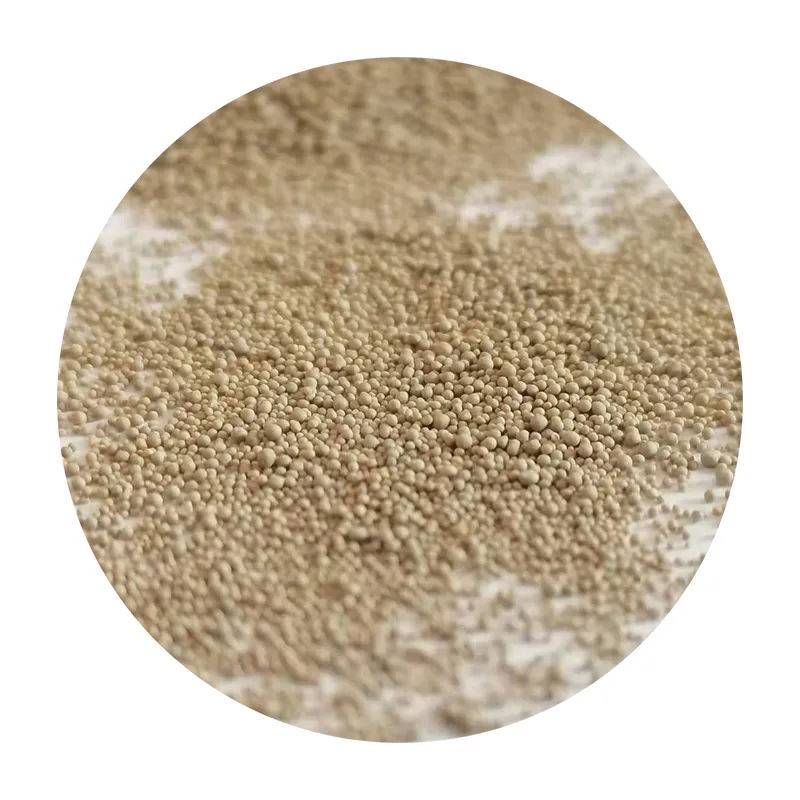
The versatility of gold sands makes it suitable for a wide range of casting processes, whether it’s for small-scale artistic endeavors or large industrial applications. When purchasing gold sand for sale, it is crucial to consider factors such as grain size, purity, and moisture content, as these characteristics directly influence the performance of the sand in molding applications. Moreover, the sourcing of this sand should be from reputable suppliers to ensure quality and consistency, which are paramount in achieving optimal results in casting operations. As a domestic foreign trade wholesaler, we pride ourselves on providing high-quality golden sand that meets the rigorous standards of the industry, ensuring that our clients receive the best materials for their casting needs.
The Benefits of Using Golden Sand in Molding Processes
The use of golden sand in sand molding processes offers numerous advantages that enhance the overall quality of castings. One of the primary benefits is its ability to retain shape and detail during the pouring of molten metal. The fine granules of gold sands create a stable mold that can withstand the intense heat and pressure without collapsing or deforming. This characteristic is particularly important when casting complex shapes, as it allows for greater design freedom and precision. Additionally, gold sand for sale typically has excellent thermal conductivity, which aids in the even distribution of heat throughout the mold. This property helps to minimize defects such as warping or uneven cooling, ultimately resulting in high-quality castings.
Furthermore, the use of golden sand contributes to improved surface finishes on cast parts. The smooth texture of the sand minimizes the occurrence of surface imperfections, such as scratches or pits, which can detract from the aesthetic and functional qualities of the final product. This is especially beneficial in industries where appearance matters, such as automotive and consumer goods. Additionally, gold sands are often more environmentally friendly than other molding materials, as they can be reused multiple times without significant degradation in performance. This reusability not only reduces waste but also lowers costs, making it an economically viable option for manufacturers looking to optimize their production processes.
Choosing the Right Golden Sand for Your Casting Needs
Selecting the appropriate gold sand for your specific casting requirements is crucial for achieving desired outcomes. Different applications may necessitate varying grades of sand, each with unique characteristics that cater to specific needs. For instance, finer grains of golden sand are ideal for creating intricate molds, while coarser grains may be more suitable for larger, less detailed castings. Understanding the specific properties of the sand you require is essential to ensure compatibility with your casting process.
When evaluating gold sands, consider factors such as the sand's grain size distribution, which affects the mold's strength and finish. A well-graded sand will provide a balance between fine and coarse particles, ensuring optimal packing density and stability. Additionally, the purity of the sand is critical; contaminants can lead to defects in the casting, so sourcing from reputable suppliers is vital. Conducting tests for moisture content is also important, as excessive moisture can cause issues during the molding process, such as steam explosions or poor mold integrity.
Moreover, understanding the specific requirements of your casting process—whether it involves green sand molding, shell molding, or another technique—will help you select the right gold sand for sale. Each method may have distinct demands in terms of sand properties, so aligning your material choice with your casting technique is essential. As a wholesaler, we provide detailed specifications and guidance to help you make informed decisions that align with your production goals.
The Future of Gold Sands in the Casting Industry
The future of gold sands in the casting industry looks promising, driven by technological advancements and increasing demand for high-quality castings. As industries continue to evolve, the need for materials that can meet stringent quality standards and environmental regulations becomes paramount. Innovations in sand processing and treatment are enhancing the performance of golden sand, making it an even more attractive option for manufacturers. For instance, the development of synthetic sands and hybrid materials is expanding the possibilities for casting applications, offering improved performance characteristics while maintaining the benefits of traditional gold sand.
Moreover, as sustainability becomes a focal point in manufacturing, the use of gold sands that can be recycled and reused is gaining traction. Manufacturers are increasingly seeking sustainable materials that not only reduce waste but also lower production costs. The ability to recycle golden sand multiple times without compromising its quality aligns with these goals, making it a preferred choice for environmentally conscious companies.
In conclusion, the role of gold sand for sale in the casting industry is integral to achieving high-quality, precise, and sustainable products. As a domestic foreign trade wholesaler, we are committed to providing top-tier gold sands that meet the evolving needs of our clients. By investing in high-quality materials, manufacturers can enhance their production processes and ensure the success of their casting operations.
FAQs: Golden Sand for Sand Molding Castings
What is golden sand used for in the casting process?
Golden sand is primarily used for making molds in sand casting, providing excellent shape retention and surface finish for metal castings.
How do I choose the right grain size for my casting needs?
The grain size depends on the complexity of the casting; finer grains are better for intricate designs, while coarser grains suit larger, simpler shapes.
Can golden sand be reused in multiple casting processes?
Yes, golden sand can be recycled and reused several times, which helps reduce costs and environmental impact.
Where can I purchase high-quality gold sand for casting?
You can find high-quality gold sand for sale through reputable suppliers and wholesalers, such as our dedicated service.
What are the benefits of using gold sand over other types of sand?
Gold sand offers superior moldability, better surface finish, and thermal stability, making it a preferred choice for high-quality castings.
Invest in your casting projects with our exceptional gold sand for sale. Visit our website to discover our range of products and elevate your manufacturing capabilities.
Next:Better Collapsibility with Ceramic Sand for Green Sand Applications