
In the realm of modern metal casting, nothing is more fundamental than the quality of casting sand. The consistency, purity, and performance of molding sand for metal casting directly influence the accuracy and finish of cast components. Whether you’re a small foundry or a large-scale metalworks enterprise, choosing high-grade casting sand is the first step toward superior product results. Today, with more casting sand for sale from specialized sources, quality is more accessible than ever.
The Essential Composition of High-Quality Casting Sand
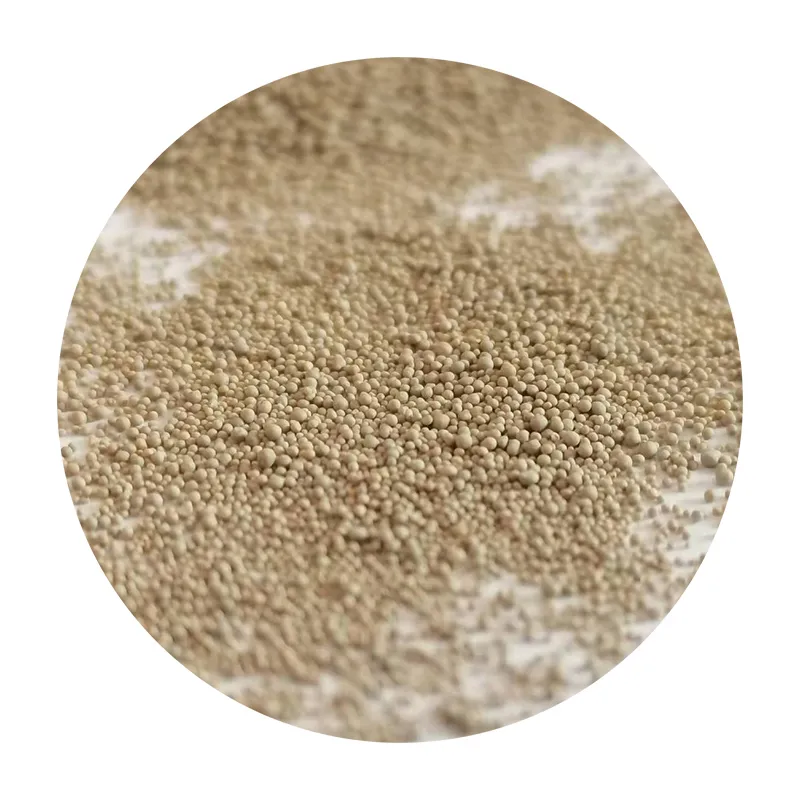
Not all casting sand is created equal. At its core, the performance of molding sand for metal casting depends on its composition, which must balance several critical materials. The most common base material is silica sand due to its high melting point and availability, but depending on specific casting needs, alternatives like chromite, zircon, or olivine may be used.
Bentonite clay is often added as a binder to provide the necessary plasticity and cohesiveness for molding. Water is introduced to activate the clay, and additives such as coal dust or cellulose can improve mold surface finish or reduce defects. The ideal casting sand contains a carefully calibrated mix that ensures strength, permeability, and thermal stability.
Advanced casting sand suppliers are now offering pre-mixed and custom-formulated products tailored to specific alloys or casting methods, helping foundries reduce preparation time and enhance casting efficiency.
Casting Sand:How Refractoriness Determines Sand Suitability
One of the most critical performance traits of casting sand is refractoriness—its ability to withstand the high temperatures of molten metal without breaking down or fusing. This characteristic ensures that the sand retains its structure and doesn’t chemically interact with the metal, which could otherwise lead to defects such as sand fusion or burn-on.
To determine if the refractoriness of casting sand is adequate, foundries typically conduct a fusion point test. This involves gradually heating the sand until it starts to soften and deform. For most molding sand for metal casting, a refractoriness of at least 1700°C is considered standard, though higher-performance sands like zircon may exceed 2000°C.
High-refractoriness casting sand also reduces mold degradation and metal contamination, ensuring smoother surfaces and higher dimensional stability in finished products. Buyers should verify that the casting sand for sale has certified refractoriness ratings, especially for applications involving ferrous or high-melting-point metals.
Casting Sand:The Role of Particle Shape in Mold Integrity and Casting Finish
One often overlooked but vital factor in casting sand performance is the shape of its particles. The difference between angular, sub-angular, and round grains can have a profound effect on mold compaction, gas permeability, and surface finish.
Angular grains interlock well, providing high strength and resistance to erosion from molten metal. However, they may also reduce mold permeability, increasing the risk of gas defects. Rounded grains, on the other hand, allow better gas escape but may compromise mold strength. Sub-angular grains offer a balanced performance and are often preferred in general-purpose molding sand for metal casting.
Advanced foundries rely on precision-graded sands with uniform particle shapes that match specific casting goals. This is why leading casting sand suppliers offer detailed grain shape distribution data with their products. The result is not only enhanced casting integrity but also fewer defects and less post-processing work.
Innovations in Supply and Availability of Casting Sand for Sale
As the global foundry industry grows, demand for consistent, high-quality casting sand for sale has surged. Fortunately, innovations in sand processing and logistics have made premium materials more accessible than ever before. Leading casting sand suppliers now offer direct-to-foundry delivery, custom packaging, and even real-time inventory tracking to ensure uninterrupted production.
What sets high-end casting sand apart is not just the raw material, but also the precision of processing—such as multi-stage washing, magnetic separation, and high-frequency screening—to remove impurities and standardize grain size.
Moreover, sustainable sourcing has become a new benchmark. Eco-conscious suppliers now recover and recycle sand through closed-loop systems, reducing environmental impact and improving cost-efficiency. For foundries looking to elevate product quality while minimizing operational risk, partnering with a top-tier casting sand supplier is no longer optional—it’s a strategic advantage.
Casting Sand FAQs
What are the main components found in casting sand?
Casting sand typically contains silica as the base, combined with clay binders like bentonite, water, and optional additives such as coal dust to improve surface finish.
How can I tell if the refractoriness of casting sand is adequate?
Refractoriness is tested through heat fusion tests. For general purposes, the casting sand should withstand at least 1700°C without breaking down.
Why does particle shape matter in molding sand for metal casting?
Particle shape affects mold compaction, gas flow, and surface finish. Angular grains offer strength; round grains improve permeability. Balanced grain shapes yield the best results.
Is there eco-friendly casting sand for sale in the market?
Yes. Some casting sand suppliers now offer recycled or reclaimed casting sand, processed with low environmental impact and certified for repeated use.
What should I look for in reliable casting sand suppliers?
Choose suppliers with ISO certification, consistent material quality, technical support services, and the ability to customize casting sand to your specific casting applications.
Post time:آگوست . 27, 2025 14:52Next:Golden Sand: Elevating the Standard of Precision Sand Molding Castings