
For foundries seeking efficiency, precision, and a clean surface finish, golden sand stands out as a premium choice. With its stable composition, low expansion rate, and superior mold integrity, golden sand for sand molding castings offers a transformative solution to reduce defects and increase production reliability. As the casting industry evolves, so does the demand for high-performance mold materials—and golden sand is answering that call with strength, consistency, and cost-effectiveness.
The Cost-Effectiveness of Golden Sand in Foundry Applications
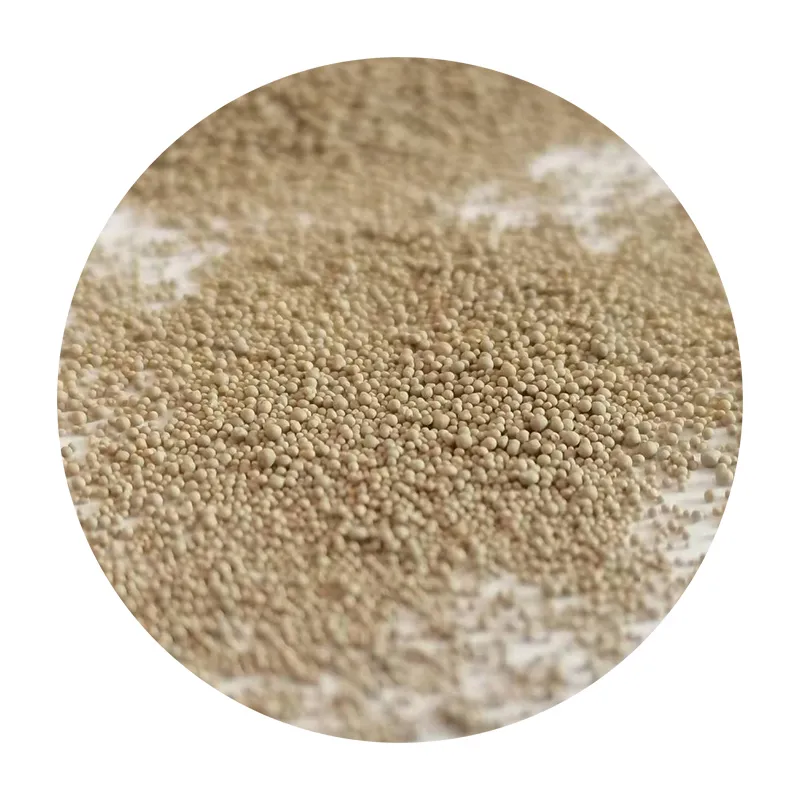
Despite its premium quality, golden sand proves to be remarkably cost-effective for both large-scale manufacturers and small workshops. Its spherical particle structure ensures excellent flowability, leading to better mold compaction and fewer casting flaws. This translates to fewer rejects, lower scrap rates, and minimal need for post-processing.
When evaluating golden sands prices, it's important to look beyond the upfront cost. The real savings come from production efficiency—less downtime due to mold collapse, reduced energy usage during curing, and lower consumption due to its recyclability. In fact, golden sand can be reused multiple times without significant degradation in performance, further lowering operational costs.
Compared to traditional silica or inferior alternatives, golden sand may appear slightly more expensive initially, but its extended lifecycle and higher yield per ton make it a smarter long-term investment. Many customers searching for golden sands for sale are realizing that lower total cost of ownership makes golden sand an unbeatable value proposition.
How Golden Sand Prevents Casting Defects with Precision Control
One of the most critical challenges in metal casting is avoiding common defects such as veining, penetration, blowholes, and poor surface finish. Golden sand has a low thermal expansion rate, which drastically reduces the likelihood of dimensional distortion or cracking under high temperatures. Its uniform grain size and excellent permeability ensure that gases escape efficiently during pouring, preventing blowhole formation and minimizing porosity.
Moreover, golden sand boasts exceptional refractoriness, making it suitable for high-temperature alloys and large, heavy castings. Whether used in automotive parts or heavy machinery components, its thermal resistance allows it to maintain mold integrity from the start of the pour to final solidification.
Another major advantage of golden sand is its ability to produce smoother surface finishes. The fine and round grain profile helps reduce mechanical bonding with the metal, allowing for easy removal after casting and resulting in cleaner, more precise cast components. This feature not only improves quality but also cuts down on cleaning and machining costs—another reason why more customers are searching for golden sands for sale.
Golden Sand Mixing Ratio Matters: The Key to Optimal Casting Performance
A crucial aspect of using golden sand effectively lies in its mixing ratio with binders and other additives. Achieving the right balance ensures optimum strength, collapsibility, and surface quality. If the ratio skews too heavily toward binder content, mold rigidity may increase, but so will the risk of gas defects. Too little binder, on the other hand, can compromise mold strength and cause deformation.
Most golden sands company recommendations suggest a starting ratio based on casting type and complexity. For general applications, a binder-to-sand ratio of 1.5% to 2.5% by weight typically yields the best results. Fine-tuning this ratio based on specific alloy and mold size allows foundries to maximize performance while minimizing waste.
Modern mixing systems allow precise control of binder levels, making golden sand even more adaptable to various casting needs. Whether it’s cold box or hot box core-making, golden sand blends seamlessly with most resin systems, offering flexibility and uniform consistency in every batch.
Golden Sand’s Versatility Across Different Casting Processes
While golden sand excels in traditional sand molding, its versatility also extends to more advanced techniques. In lost foam casting, for example, golden sand offers high fluidity and rapid filling capacity, ensuring the foam pattern is fully supported during metal pouring. In shell molding processes, its excellent thermal properties and smooth grain surfaces deliver precision parts with minimal finishing required.
The advantages of golden sand also shine in steel, aluminum, and iron casting. Because of its high melting point and chemical stability, it doesn’t react with molten metal, which helps maintain the purity and mechanical integrity of the final product.
Leading golden sands company suppliers offer customized grain sizes and coatings for specialized applications, providing greater casting accuracy and smoother internal surfaces. This makes golden sand the go-to material for manufacturers who demand performance without compromise.
Additionally, golden sands prices are steadily stabilizing due to growing supply chains and domestic production capacities. For foundries seeking a reliable, scalable solution, partnering with a reputable golden sands company ensures consistent supply and expert support.
Golden Sand FAQs
How does golden sand compare to traditional silica sand in performance?
Golden sand offers higher thermal stability, better flowability, and superior surface finish compared to silica sand. It reduces casting defects and improves part quality.
Is golden sand suitable for all types of metals in casting?
Yes. Thanks to its high refractoriness, golden sand is ideal for casting iron, steel, aluminum, and other high-temperature alloys.
What factors influence golden sands prices?
Prices vary based on grain size, processing method, and volume. However, its long-term reusability often offsets the initial investment.
Where can I find trusted golden sands for sale?
Many professional golden sands company suppliers offer both bulk and customized orders. Look for providers with strong industry experience and quality assurance.
How do I optimize the binder mixing ratio when using golden sand?
Start with a 1.5–2.5% binder ratio by weight and adjust based on casting complexity, alloy type, and core design. Always consult with your golden sands company for best practices.
Post time:Αυγ . 27, 2025 14:49Next:Ceramsite Foundry Sand: Revolutionizing the Metal Casting Industry